Dragon Prince #1 Review

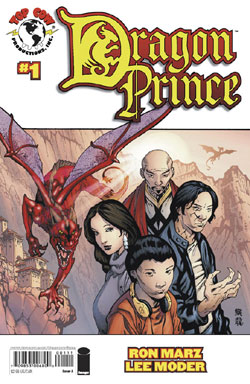
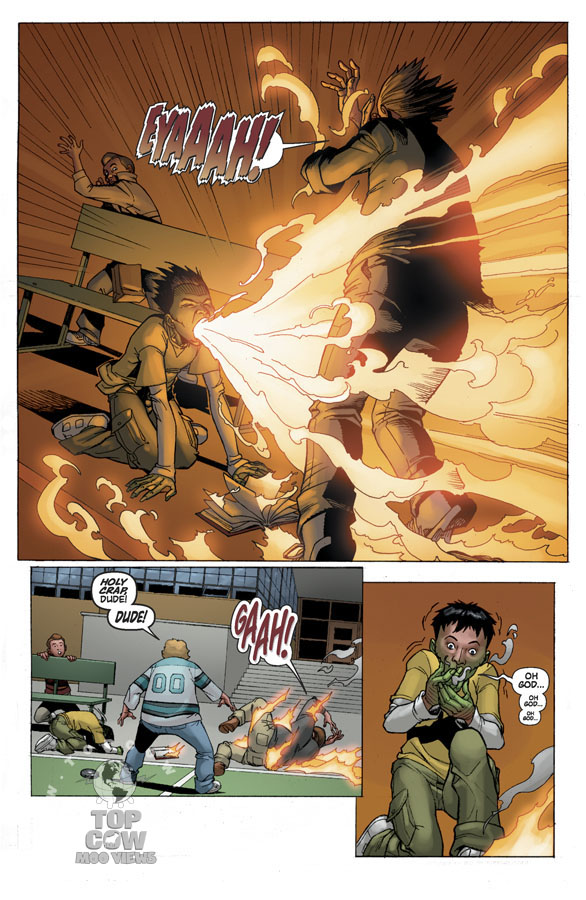
Starting any comic with a wounded crimson dragon being attacked by gun wielding motor cyclists in an ancient rice filed is certainly attention grabbing. Writer Ron Marz (Green Lantern, Witchblade) is no stranger to the worlds of mysticism coupled with heroism, and here he distinguishes himself from the pack yet again by offering another creator-owned adventure. We soon learn that the man versus dragon battle is being relayed by a single mother to her young son, Aaron. The boy seems vaguely interested in such bed-time tales, until the next day at school, when his regular bullying gets him all riled up, triggering a transformation within him in which he vomits fire and turns pale green. How embarrassing. Running away from school, leaving a crispy bully in his wake, he arrives home to find his mother, who is not surprised at all by these life changing events. In fact, she expected them. She tells Aaron that it was only a matter of time until his true heritage would be shown. With elements of teens becoming something other than human and manifesting new powers it resembles early X-Men, and together with the whole “My Dad’s a dragon?!” vibe, there’s also a tinge of Phil Hester’s Firebreather. And that’s a good thing. Lee Moder’s art is superb as always, giving both the home/playground settings as much familiarity as the more fantastic realms, but with a dynamic nature evident in both worlds. Where the series goes from here will be an interesting lesson in patience. Hopefully Marz manages to pull a few surprises from his hat to keep both newbies and jaded fanboys entranced until the final issue. A kid-friendly, simple story with a cool looking tattooed dragon hunter and a boy on the run, and in way over his head. Dragon Prince will be an oasis to those seeking relief from the “edgy,” and mature epics currently clogging the shelves.

Challenger Deep #1 Review

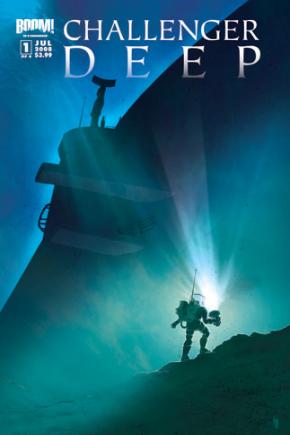
Captain Holden leads his crew on a routine data gathering mission somewhere near Guam when they are hit by a mystery vessel, leaving the sub broken and helpless, while their superiors argue about the seriousness of the situation, with a few scientific phrases thrown in for good measure.

It takes a few pages for this tale to become anything other than that simple description, but if there’s one thing BOOM! seems to excel at, it’s taking stories that’s seem familiar, and then throwing in some unexpected elements to make them gripping and unexpected. That’s what Challenger Deep has going for it.

We soon learn that there are only 50 hours of air left in the vessel and its stuck near a huge ice shelf, and only one man can save them. Dr Eric Chase’s fly fishing opportunity is interrupted by men in dark suits, imploring him to serve his country and save these men’s lives. But he’d rather not. Chase is an expert in the ocean’s depths, but couldn’t care less about saving over 100 lives. In fact, he hasn’t cared much for the deep blue since his wife’s death 5 years ago, and hasn’t stepped on a boat since. That finally changes however when the men in charge let him know about the sub’s precarious position, plus the fact that it’s warheads are set to detonate in 72 hours. Nuclear warheads + methane ice=Armageddon. A planetary match. And that’s bad.

Written by Andrew Crosby and Andy Schmidt, with art by Chee, it seems somewhat reminiscent of one of BOOM!’s better titles, Station, but with a nuclear sub replacing an international space station. With 3 issues left, I can only assume the rest of this series will quicken the pace. There’s a lot of set up in this issue, but it is necessary, and now that it’s out of the way, hopefully the real adventure can begin. Some may be disappointed by the art. It’s dark and sketchy, with minimal detail, but it is a mood setter. Thankfully the pace and dialogue make up for it. Characters are quickly established and intriguing plot elements, such as the Captain’s erratic behaviour, and the crew’s handling of him after the crash, plus the mysterious name that also helps convince Dr Chase to save the world, all help to lift this tale above the depths of mediocrity.

MK vs DCU Full Roster

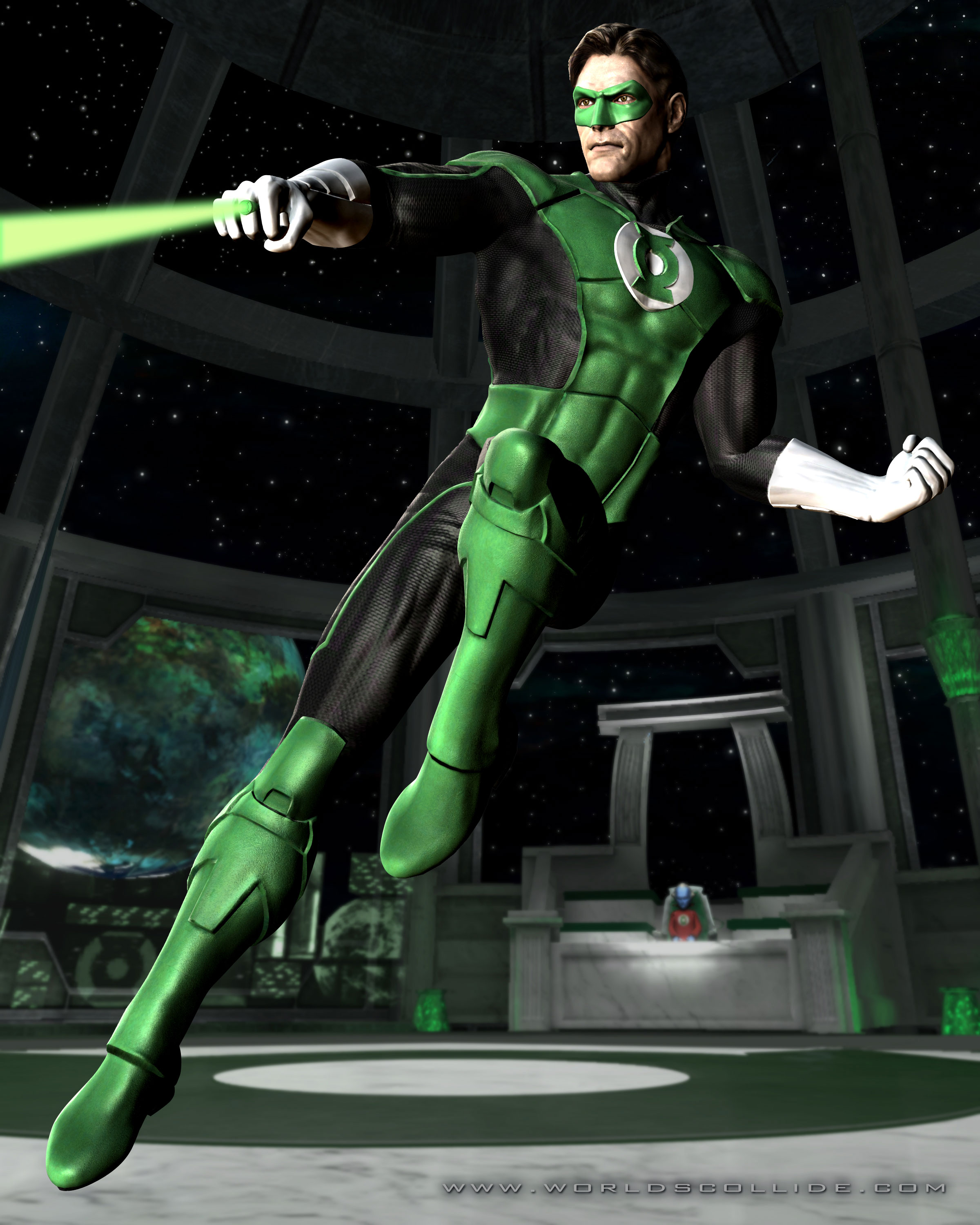
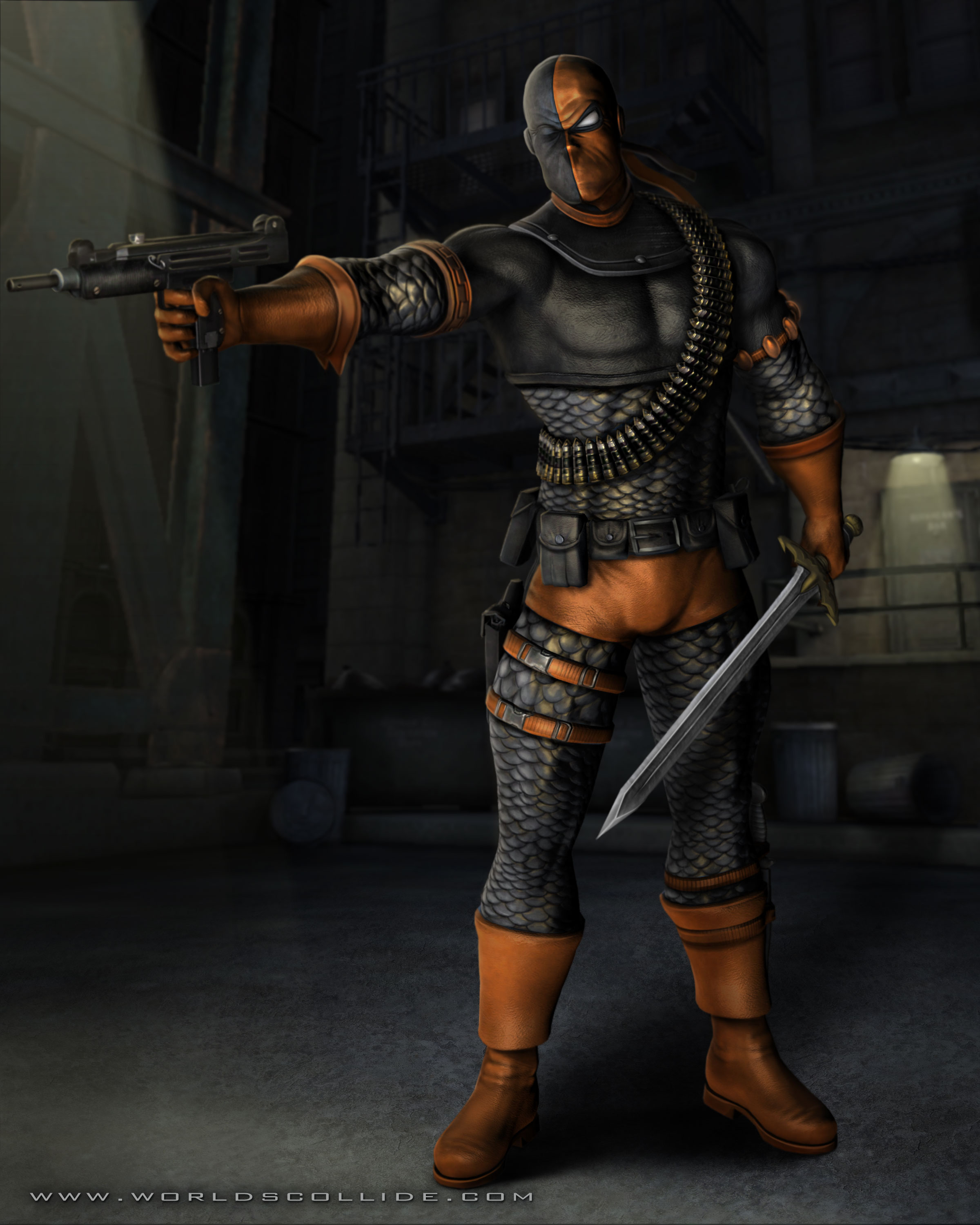
After months of leaking minor details, Midway have released the full list of characters from both opposing forces from November’s Mortal Kombat vs DC Universe next-gen game.

Mortal Kombat
Scorpion
Sub-Zero
Sonya
Jax
Shang Tsung
Liu Kang
Raiden
Kitana
Kano
Baraka
Shao Kahn
DC Universe
Batman
Superman
Catwoman
Green Lantern
The Joker
Shazam (Captain Marvel)
The Flash
Wonder Woman
Deathstroke
Lex Luthor
Darkseid

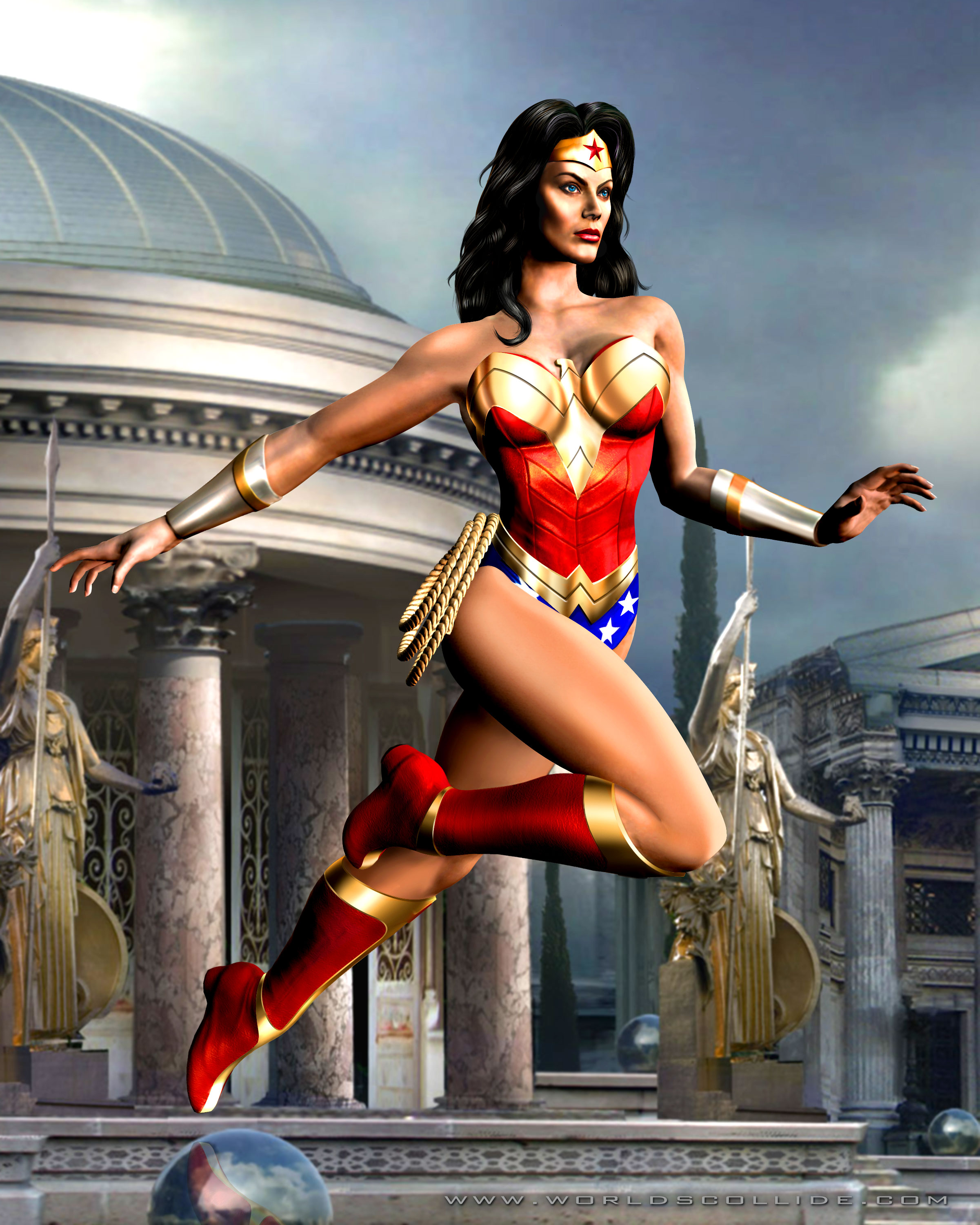
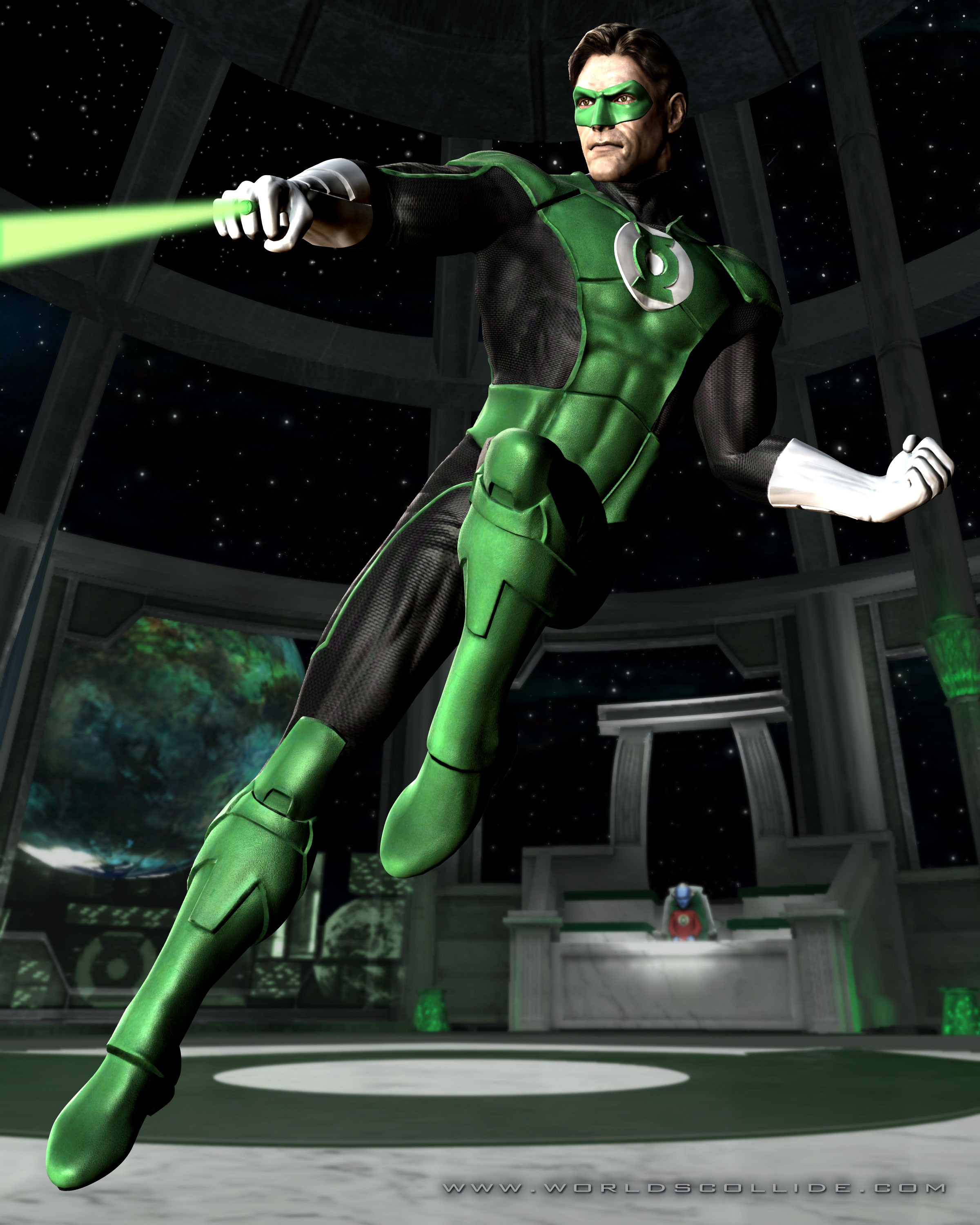
I’m quite unfamiliar with the MK characters, but the DCU cast look great, although slightly tweaked. You can visit the official site for more info, including some fantastic looking hi-res pics of most of the combatants, including Wonder Woman (above), Green Lantern and Deathstroke (below).


Jerrell Conner Interview

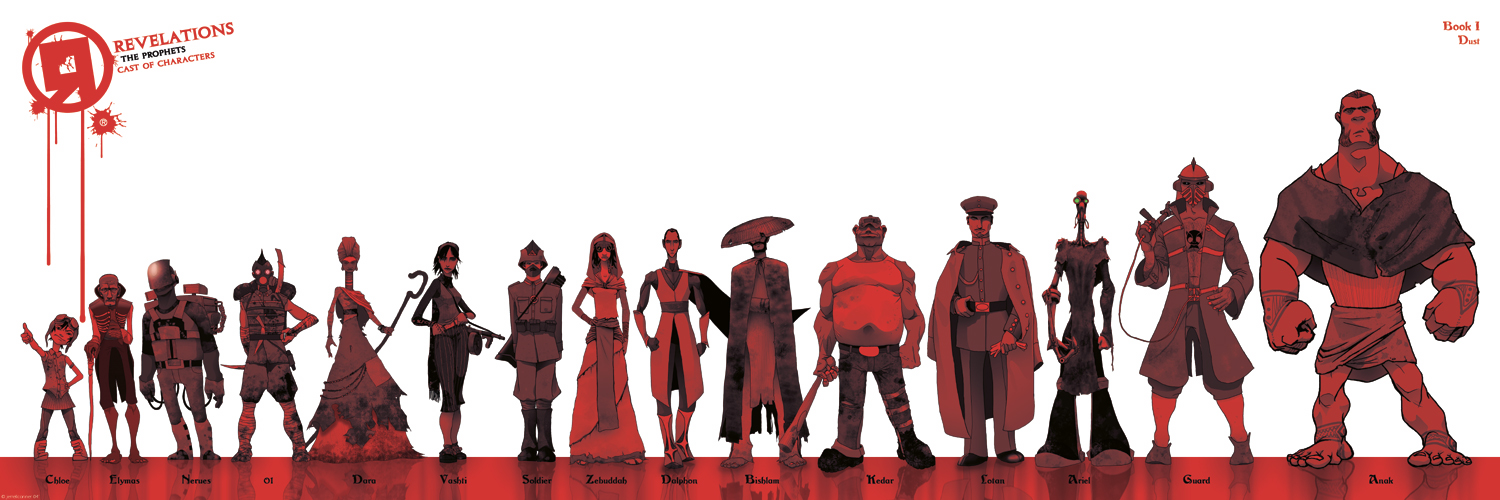
I met artist Jerrell Conner at this year’s Comic-Con. A humble, and obviously talented guy, his work has only been gaining more and more fans as of late, with exhibitions, posters, t-shirts and all manner of things focusing on his unique designs. In 2005 he released an original graphic novel, entitled Revelations: The Prophets, the first in a planned trilogy inspired by the biblical book of the same name. It’s certainly unlike most books on the stands, with certain sequences dedicated solely to prose, and uninhibited layouts. It may be too untraditional for some, and there are rare signs of a new artist’s hands, particularly in the imperfect spelling and occasional unclear art, but for a self-published writer/artist, it’s a bold debut, and shows the promise of a multi-discipline artist.

Revelations was initially your thesis project right? How different did the book end up being from your initial proposal?

Yes, it started back in 2001, in a quite different format than it’s current state. Initially it was a mock pitch for an animated feature. Not a book at all, basically a rough outline of the story (not nearly as flushed out or expansive as it has grown to be
over the years). Only 3 characters from the original project still remain (and have evolved quite a bit), there was a sculpt of one of the characters, process books, and concept
art, movie posters, and a short 3 minute animation which was essentially the center piece.

It’s quite a unique style you have. I can see touches of David Mack and Bill Sienkiewicz. Would you say they are influences on your work, or have I missed the mark entirely?

Hmmm, I wouldn’t say you’ve missed the mark, I am a fan of David Mack’s stuff and recently ran into him at a convention, but I don’t believe his work was something I referenced a lot while, or before, working on my book, same with Bill’s, but that’s more of a recent acknowledgement for me. Often people ask me about my style, and it’s hard to put in words, I don’t have a single place of reference for it. Just growing up in the time I did and in the environment that surrounded me, I seemed to soak up a great deal of influences. I’m pretty much a sponge, so there is some anime, concept art, G.I Joe, video games from the early 90’s, early X-Men and Dark Horse stuff in there, but nothing too
specific. I think two of my biggest influences when I started the Revelations series were Egon Schiele, and Ashley Wood, sooo awesome!

What’s your process for creating new artwork? Is it a combination of traditional tools as well as the computer?

Funny, I knew little to nothing about the comic industry/process. The Revelations book series just kind of threw me into the mix of it all (though as a fan, I really didn’t have aspirations in doing a comic), and I had a lot of figuring out to do, so stumbling through the process was…. interesting. The goal was to do a mix of traditional painting and Photoshop work, and that’s the way it started. I did some paintings for backgrounds for the first few spreads, going back and forth from paint to the computer, back to painting and so on. The problem was this was a 96 page graphic novel and that was taking waaay to long! So about 95% of the book ended up being Photoshop drawn on a tablet, which really worked out better in the end and was much faster. It was a learning curve to say the least, but towards the end I think the panels really began to come together and have a nice flow and color scheme.

Revelations: Book 1 was published in 2005, with plans to publish two further books by 2006. What happened that put those plans on the back burner?

I got lazy. No, not really. Actually the opposite, I got REALLY BUSY with all kinds of art work going on! The thing that sucks (I’ve learned) about self publishing is ALL
the responsibility you have to carry, and all the hats I find myself needing to wear. The first hurdle was that, once the books were published, having to do the press and promote
them, then touring and doing shows, and getting them in shops, because I was the distributor. Hustling them to as many shops and conventions as I could, the problem was that it was JUST me doing it, so there was really no time to work on the next title during that time. Secondly, everything was out of pocket, so with the bills and expenses I had just through living I needed to do other freelance jobs and art projects to pay the bills, and even make it possible to do conventions and shows, which was fine, because it was still art and I enjoyed it for the most part, but of course if all my time was spent doing those projects the next Revelations title was pretty much on a shelf collecting dust, partially
finished but still waiting to be completed. I more recently have made the commitment of not letting a week go by without finishing at least one page for the next book, moving around other projects to at least fit one day in for it every week, otherwise I fear it would never get done. Things that get put off, tend to KEEP getting put off.

Your art career seems to have taken off quite nicely, with work for clothing lines,
posters and the like. Was that always the hope for you, that you’d become a working
artist?

I’ve been drawing and doing art for what seems like forever. My earliest memories are of drawing Star Wars space battle scenes, making sound effects and the whole 9. It was like play time for me, so I’ve always known it was something I wanted to do. It kind of runs in the family, all my siblings and parents seemed to have some creative streak and artistic tendencies, but it wasn’t until I started winning competitions and contests in middle school/high school that I thought this was something that I could actually do for a living and not just for fun on the side.

How difficult is it too manage your burgeoning art career, with your comic book ambitions?

See two questions above! Pretty much those have been my main difficulties and struggles with that crazy balancing act betwixt the two. For me, Revelations is first and foremost in my mind, even though at times it has to take a back seat so I can do other projects, the main reason why I do those projects is because I feel those are opportunities for me to further the book series. They pave the way for all the stuff I do with Revelations.

My aspirations are not about becoming a famous artist or being popular. I’ve had this vision of this story in my head for years now, and telling it in a certain way. The goal is
just to finish it and get it out there in people’s hands, in a place where they can be exposed to it, get caught up in it. Whether or not they even know who the artist is irrelevant. It’s all about the story and getting across the message.

How do you think your faith influences your decisions as an artist?

I don’t think there are any decisions that AREN’T affected by my faith. It goes: God, family, then art. My passion for my beliefs is what drove me as an artist initially, and I feel this gift isn’t for my own benefit but for others. To NOT do it, to NOT give it my all would be a
disservice, not only to those who can gain from it, be uplifted, and inspired, but to the One who gave this gift in the first place.

What directions would you like your career to take in the future?

Early in college I had aspirations in the area of direction, but lately I don’t know. I really don’t look too far ahead. Right now, the focus is for finishing these Revelations books, and get them to the big screen!

What thoughts go through your mind when you look back at your previous work, and when
you see others enjoying it?

Generally i think, “Geeeeeze that’s crappy!” But we all have to start some place. I’ve seen my style and process grow a lot over the years. I do understand however that without the early work back then I wouldn’t be here now. I get a big kick out of it when someone actually likes my work or the books. It’s more of a surprise than anything. It is reassuring though, and makes me feel like maybe I am doing something right and not wasting my time following the wrong calling, like I should have been a doctor or plumber or
something.

Go here for a very well done video piece on indie artists at Comic-Con 2008, including Jerrell, and go here for his official site.

Making of Solomon Kane #1

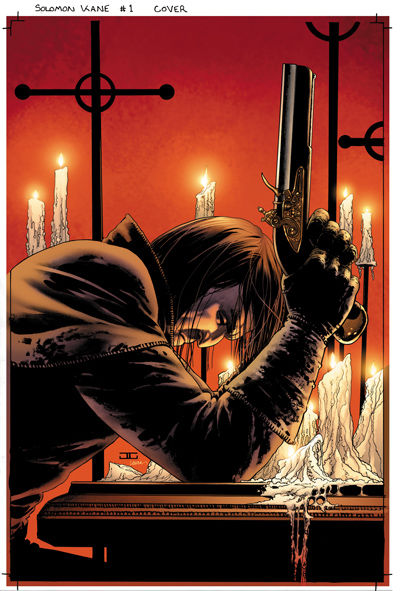
Comic books are a lot like onions – they make you cry. No, I mean, they have many layers. Yeah, that’s it. Now at Dark Horse’s official site, you can peel back those layers and have a brief look at what it takes to make a comic, specifically Solomon Kane #1. The 32 page comic goes on sale on September 24 and is written by Scott Allie, with pencils by Mario Guevara. Covers are provided by Joe Kubert and John Cassady (who also does the Lone Ranger covers) This unique feature showcases the first 6 pages of the ish, in its various stages, namely the script, pencils, colouring and lettering. All comics are a team effort and this is a rare example to peak behind the curtain and see what each creator brings to the finished product. Go here for a look at the mad puritan Solomon Kane, the other creation from Conan creator, Robert E. Howard. This new series begins with a 5 part adaptation of one of Howard’s novels, “The Castle of the Devil.”

Some New Kind of Slaughter Interview

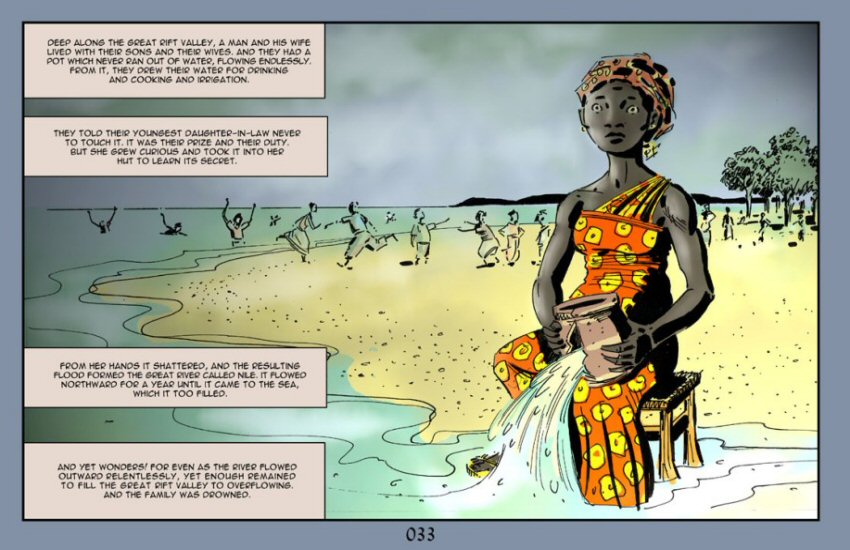
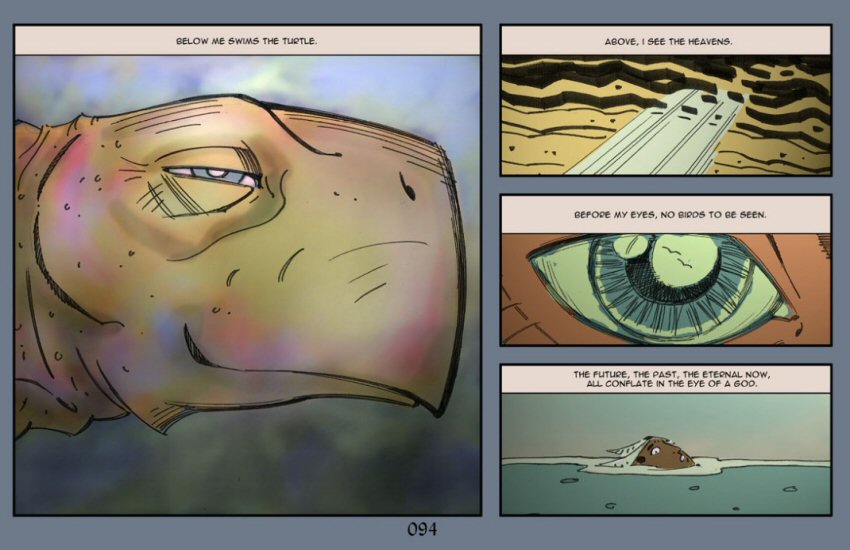
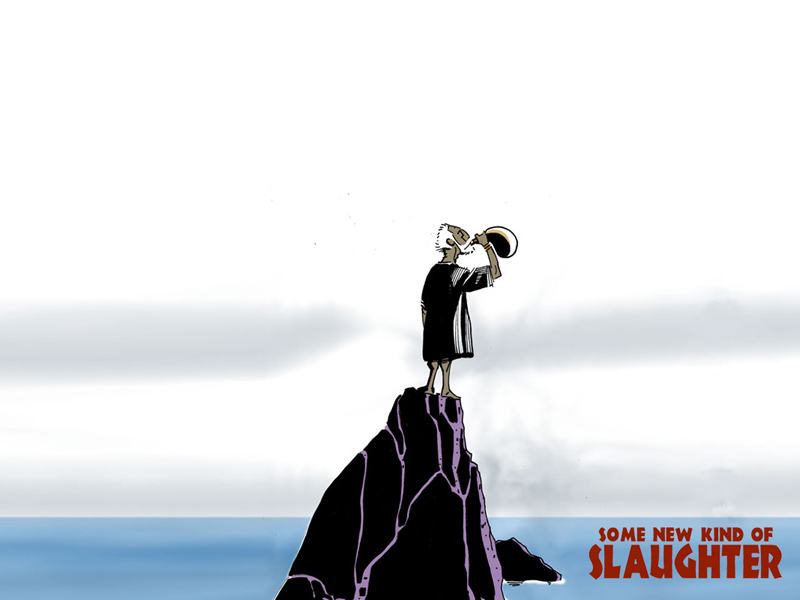
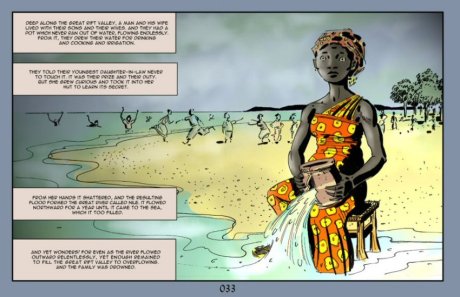
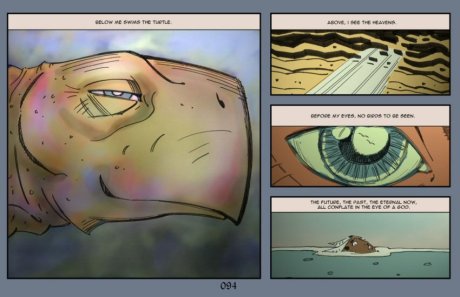
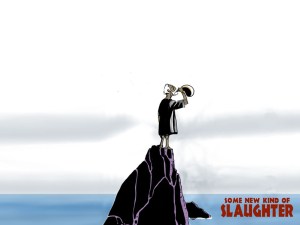
Here’s the last of my interviews that I was holding off from my INFUZE days, until its new iteration would take place, which for me, I guess is this here little blog. It was conducted in January of this year, with the creators of SOME NEW KIND OF SLAUGHTER, mpMann and A. David Lewis. Slaughter was a bold four ish mini published by Archaia Studios Press, that looked at the concept of world changing floods in different lands and cultures. Arachaia put it more succinctly: If there is one constant throughout most of Earth’s historical nations, cultures, and religions, it is the threat and the destruction of the Great Flood. In the wake of the recent Indian tsunami, Hurricane Katrina, and alarm over global warming, the award-winning creators of The Lone and Level Sands return to plumb the depths of the world’s great myths with this four-issue, all-ages mini-series, exploring how this legendary fear may be more relevant now than ever before.

It seems like quite an intricate tale. Do you foresee this book having an appeal to a mainstream comic-book fan as well as to the independent comics audience? Was there an intentional attempt to appeal to specifically either or both types of reader?

Marvin Perry Mann: It will probably appeal more to the indie/alt cognoscenti and, for that matter, new mainstream readers than to the spandex or manga fans. But there’s no small amount of overlap. Most of the writers I’ve worked with have been quite broadly read in comics, much more so than I. The complex story structure of the book should give fans of formalist comics something to bite into, and the emotional depth of several of the tales will satisfy lovers of stories about real people, despite the mythological underpinnings.

But I think it’s fair to say that neither Dave nor I set out to target an audience. Some New Kind of Slaughter fits no well-trod genre. We wanted to produce a work that would engage us, and tell stories that might open eyes. We assumed that there were like-minded readers out there. The formal structures and challenges of telling so many stories in some coherent fashion were spice to the process.

A. David Lewis: It’s no good, from a creative standpoint, to identify an audience and then, after the fact, to write for that target. I mean, unless you’re trying to make a point about that specific audience, I can’t see it going too well. Really, that’s more a concern for the publisher and its marketers. The creators, though, have to go with what hooks them to do a story, especially when they’re operating outside a mainstream character base; I mean, the purpose for writing a Batman story might just be to write a freakin’ Batman story. But, thanks to the good graces of publishers like Archaia Studios Press, Marv and I can pursue stories that interest us, for which, in turn, ASP has found terrific readerships.


I imagine the research process must have been quite intensive and enlightening. How did you choose what absolutely had to be in the project and what you could do without?

mpMann: Well, Noah had to be in. Dave did the primary work on that story, the longest in the project, nearly 1/3 of the page count in all. And as I have said elsewhere, he knocks it out of the ballpark. This is Noah as you have never seen him before.

Lewis: Aw, Marv’s a flatterer. But, yeah, I became interested in Noah the same way I became interested in the Pharaoh for The Lone and Level Sands. I mean, it really fascinates me how much people, both secular and religious, think they remember about biblical characters that just isn’t there in the text. There’s so much wiggle room, so much gray area, and exegetes over the centuries have, with good intentions, spun out a number of character interpretations. None, as far as I could find, looked to fill Noah’s Iserian “gaps” (check out that hard-core scholarly terminology!) in terms of other cultures’ Floods. So, I had a great angle at which to approach the research.

mpMann: The second one that was almost as mandatory, at least for me, was Ziusudra/Utnapishtim, the Sumerian cum Babylonian prototype for Noah. Their stories are very similar, so it was important to find ways to distinguish them. One way was to make Ziusudra the narrator. He was after all, the earliest flood hero to come down to us. And since “doubt and certainty as an approach to faith” was one of our themes, we used Ziusudra to represent doubt, and Noah to embody certainty.

The Sharon Boatwright story was something I had concocted whole cloth for an earlier project using Utnapishtim. With a little fiddling she fit right in and gave us something to tie myth to the present day. Her flood has the most contemporary resonance, but her story is told in a manner that is the most dreamlike.

The Chinese myth of Da Yu/Nuwa is really a composite of two very different myths. But together they form a unified story that illuminates how one can be inspired by the story of another.

The Hindu myth “almost” made the cut as one of the long form stories, and does get more space than the other done-in-one myths.

In tackling these myths in Slaughter but also in your previous work The Lone and Level Sands, has it surprised you how the themes and story telling techniques of these ancient tales reverberate even in today’s stories? I’m thinking the work of Joseph Campbell here.

mpMann: Heh, well, if we’re thinking of Joseph Campbell then it shouldn’t be a surprise that new stories parallel the old, or that the old tales still have power to inspire us. The underlying structures and interests of these stories speak to our human longings and fears. What can be fun is making the topical connections to contemporary life, and learning to distinguish the local from the eternal.


Comics seem like the perfect avenue for you to tell this story. Is it easier for you both to work in comics than any other art form, with the kind of stories you want to tell?

mpMann: Does it? I think these stories, constructed this way, might well have been presented in prose form, or perhaps as epic poetry. Okay, epic poetry in today’s market would surely result in fewer readers, but, historically, both prose and poetry have tackled the idea of “many-stories-in-one” any number of times. Bringing an approach like this to comics is a bit different. Think of it as bringing a classic form to this relatively new medium. Comics can to do what older literary forms have long done.

Lewis: I do tend to visualize my stories, yeah, so I suppose they could be wrought for film, television, web animation, or comics. But the comic book medium has techniques and tools unique to it that tend to mesh best with the way I like to approach telling a story. I don’t mean to disparage the purely written word – prose or poetry – which has its own strengths and magic. But I am a believer that the word-image synergy of comics has a unique effect on engaging the reader’s mind. (Go see Visual Linguist Neil Cohn on all this.) Young children can read picture books more easily because they have verbal and visual information working in unison to help them to meaning. This isn’t a simplistic interaction; it’s a relatively natural one. Whether the brain is actually hardwired for this or not, I can’t say, but I do know that this whole engagement of the visual languages in comics accomplishes things that you don’t often find in words or pictures alone.

David, in April you’ll be a part of Boston University’s “Graven Images: Religion in Comic Books and Graphic Novels.” It’s an intriguing topic. Can you give us a glimpse of what you’ll be discussing?

Lewis: Well, abstracts and presentation proposals are still coming in from across the country and abroad, ahead of the January 31st deadline. So, my co-chair and I need to work thought a selection process to finalize the program slate. I can say, though, that we’ve got educator and award-winning creator James Sturm as its keynote speaker, and the Sunday Q&A will include both him and other comic creators engaged in a wide-ranging discussion: What are “religious comics?” And what impact do they have?

There’s plenty of metaphorical application of religion and faith for any narrative medium. Neo is as Christ-like in The Matrix as Superman is. Lost seems as much like Purgatory as Peter Parker resembles Job. However, this conference is about the more overt depictions of faith and the religious in comics…which is a rapidly expanding corpus. A Contract with God, MAUS, Chick tracts, Christian publishers, Testament, Cerebus, Preacher, Mark Millar’s Chosen, or even (brace for it) Spawn, just to name a few. Even in secular terms, religion plays an important part in comic book storytelling, certainly as much as politics and perhaps moreso than sexuality, to name two umbrella topics. So, “Graven Images” is an exciting first attempt by Boston University to create a bridge between academy study and this creative upswell.

Marvin, from an artist’s point of view, was the design of the narrative difficult at all? Were there any sequences that took you a while to grasp visually?

MpMann: Since I co-wrote the script with Dave, I made a point of providing myself with different kinds of writing styles and pacing to help the reader to keep track while hopping around so much. The Ziusudra material is mostly first person narrative. Dave wrote the Noah story primarily as dialogue. Much of the Sharon Boatwright story is silent. The short done-in-one myths are all captioned, and Da-Yu/Nuwa is a story within a story. Visually, some are more naturalistic, and others more cartoonish. I relied on my natural “hand’ to provide  visual continuity. Color, of course was a real key to the sections.
How would you both describe the collaborative process and the way it shaped the story or the project? Was it very much a partnership with lots of big ideas going back and forth?

Lewis: To be honest, this is a process and an approach I would never attempt with another other than Marv. He and I already had a rapport, a solid working sense of each other, and a language on which we could rely. Moreover, it was a partnership in which I could place my trust, handing over this Flood concept to Marv and then moving back to a second banana role. Rather than feeling like Lando reluctantly giving the Millennium Falcon to Han, I got to be Chewie sitting right next to him and playing co-pilot. Perhaps I’m too domineering or controlling, but I don’t think I could have done this with anyone else.

mpMann: Dave concocted the original notion of doing “all” of the world’s flood myths. I was skeptical as first. But when it came time to put something together and Dave was consumed with his PhD program, he graciously allowed me to run with his idea and take the lead in outlining the story and doing a first draft on about 2/3 of it. But we both took a pass at the other’s work and both of us have our fingerprints all over the whole.

How do you both feel about the mainstream comics scene and how it measures up against the more independent publishers? Do you have a personal preference more for one than the other, or would you prefer the two worlds mingle more often than they currently do?

Lewis: I refuse to apologize either for having an interest Joss Whedon’s Astonishing X-Men or for not being particularly compelled by, say, Seth. I mean, I think the independent market produces more hits-to-misses than the mainstream, but that’s because the latter generally deals in quantity. And, amongst that quantity, there are some great and entertaining stories. Both groups have their snobs, their elitists, and their obsessives – that’s what turns me off, personally. So I do like it when those two worlds meet or influence each other. They’re both needed, so long as they’re not polarizing, you know?

Independent publishing obviously gives creators like Marv and me more freedom, though there is limited exposure and machinery supporting it. (No offense whatsoever to Archaia; they know they’re not Time-Warner, nor do they wish to be, I think.) The indies let us pursue these odd, atypical stories, whereas the mainstream might not be so kind. Still, I’ve got an ache in my soul to tell this one Superman story in my noggin – really for no other reason than, heck, I’d be writing a Superman story!

mpMann: The market for comics is diversifying into many markets and I can’t help but think that’s very healthy. Hopefully more of these markets will be able to provide improved living wages for creators in the future. One thing that could help would be an outlet for more 48-90 pages stories, the graphic novella.
You’ve worked with the Exodus story in Sands and now Noah and the flood in Slaughter. What is it about the Bible that intrigues you as storytellers?

mpMann: For me these are familiar stories seen in a new light, and that is valuable. Like many non-religious people, I am nevertheless fascinated by religion and the things people are willing to believe. Undercutting the sanctimonious way that so many of these stories are presented is a service in itself. Looking at the human side of them, maybe even providing a little humor, can make them fresh and worthy of reassessment.

The project currently on my drawing board is a comedy/horror western, The Grave Doug Freshley. It is a real change of pace from The Lone and Level Sands, Inanna’s Tears and Some New Kind of Slaughter, all of which deal in ancient myths and societies. But after that, I will be working on a trio of stories under the omnibus title of Ba’al. These stories blend the Ugaritic myths of Canaan with the confrontation between Elijah and Ahab and his wife Jezebel that appears in the Book of Kings. I am anticipating dense, rich stories, and I guarantee they will have a point of view. I am writing them, so as they say, “this time it’s personal.”

Lewis: Marv said the magic word: Myths. That has proven time and again to be where my interests lay. The Lone and Level Sands drew from biblical legend as does a major chunk of Some New Kind of Slaughter, but the latter also goes into mythic stories from a global variety of cultures. I found myself moving there in my Mortal Coils series as well. And, for that matter, my next project draws from the mythic fabrics of both Native American sagas and, quite separately, Western sport lore. I suppose I see myth in all stories anyways, so why not go straight to the source?

Are you planning on working together again in the future or are you both busy with solo projects?

mpMann: No plans on the horizon, but we said that after finishing The Lone and Level Sands. Dave is a lovely collaborator, smart, humane and gracious, so as I have said before, “Never say never.”

Lewis: Hey, I often say “never!” But, like I mentioned above, Marv’s the one creator for whom I readily make exceptions. I’m looking forward to Ba’al and I hope to share peeks of my next project with him as well. After that…?

Say, Marv, want to hear my Superman story?

Go here for a preview of issue one.

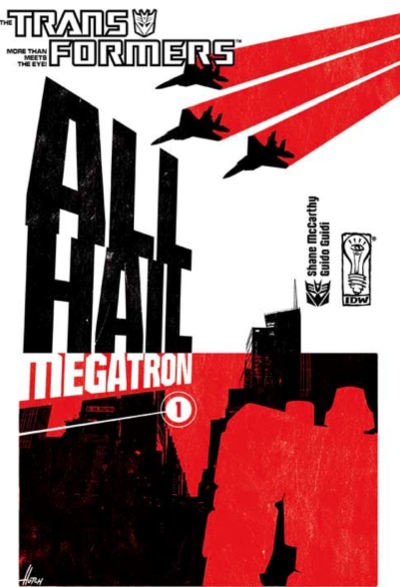
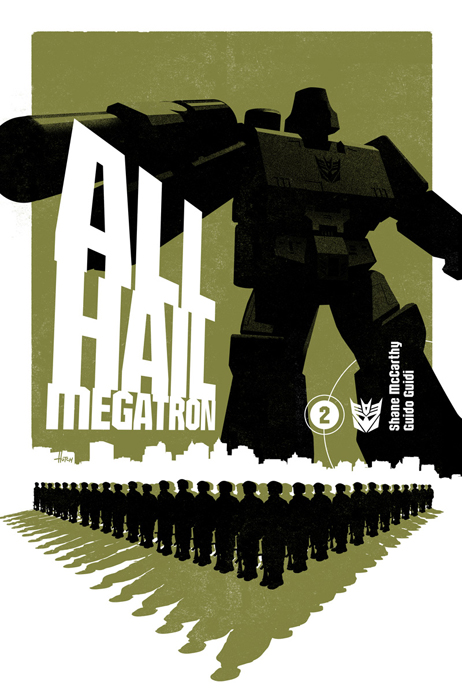
All Hail Megatron # 1-2 Review

Humans used to just be an afterthought in the Transformers cartoon back in the day, (The day was at some point in the 1980s) but now every screen incarnation and especially the latest toon re-imagining, feels compelled to throw in a few annoying kid sidekicks to keep the youngens happy, but it annoys us jaded Generation 1 lovers, or maybe just me.

Well, IDW’s latest series happily swings things in the ‘bots favour, thanks to writer Shane Mc Carthy and artist Guido Guidi. It begins with the Constructicons tearing up New York, and loving every minute of it, with a smashing (literally) arrival of Megatron who shows the Decepticons how it’s really done. It’s a great intro to this 12 ish series, and I could even hear the characters voices in my head, like I was 12 years old again, sitting in front of the TV on a Saturday morning.
Then the US Army try their noble best, but against transforming fighter planes, their efforts are brave, but futile. The last two pages are silently set on Cybertron as the Autobots try in vain to revive their fallen leader, Optimus Prime.
The second issue begins with a name familiar to Trans Fans – Witwicky, a Colonel in fact, who gets interrupted at a party and brought up to speed about the Decepticons destruction. Meanwhile Andy Reid, a survivor from issue one’s counter attack is doing his best to dodge a “large mechanical dog,” ie, Ravage and save bystanders while doing so. There are a lot more humans, and talking, in the second issue, but there’s also Soundwave (yes!), a surprisingly frightening attack from that manic cassette tape, Frenzy and finally, an attack from Devastator, the united Constructicons behemoth. There’s nary an Autobot to be seen here, which is fitting considering the title, but one would assume the robo-heroes would show up soon, as the humans resistance is looking limp.

As a non regular TF reader, I can’t say where this fits into the TF universe, but apparently it does slot into to current IDW continuity. This is a great series for newbies though, and old Gen Xers like me. It’s action packed, well paced and creatively written. Guidi is an unusual artistic choice, but it works. His pencils are the antithesis of the standard manga inspired fare, replete with the minute technical details that often accompany Hasbro’s most famous franchise. Guidi’s pencils are rougher and he manages to convey the erratic nature of battle well, while still creating an epic scope, especially in Megatron’s arrival and Devastator’s construction.
IDW obviously believe in this series, with a combined total of 8 variant covers for these first 2 issues alone. They’re also releasing it when they already have 5 other Transformers related books currently available. With as many fans as there are out there of the old school Robots in Disguise, from IDW’s point of view, it’s a safe bet though. And they’d be right.

Massive Top Shelf Sale

Top Shelf is one of the grooviest indie publishers on the planet. For those looking for something a little different, go to the Shelf. My favourite book of theirs would have to be Craig Thompson’s Blankets. It’s a hilarious, touching, life affirming phonebook-sized rumination on love, youth and faith – and now it’s only $25! Bargain! I also picked up The Surrogates and Tales From The Farm from their Comic-Con booth, but have yet to work my way towards them.

The sale is on until Friday September 12 and there are 90 comics available for only $3 too. This is a great opportunity for some diverse reading. There’s over 125 items on sale, and all the Shelf asks if that you spend a minimum of $30 before shipping.

Too easy.

You can see the complete list here.

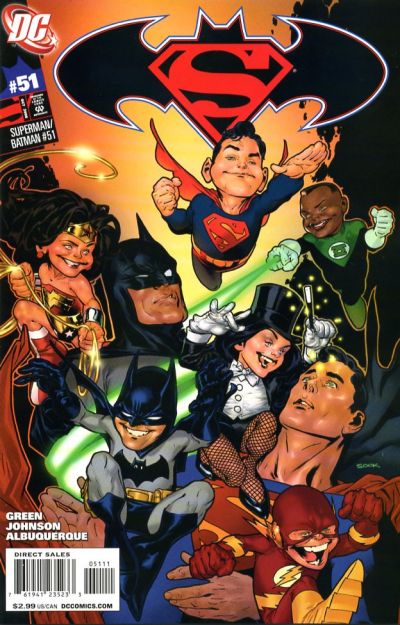
Superman/Batman #51 Review

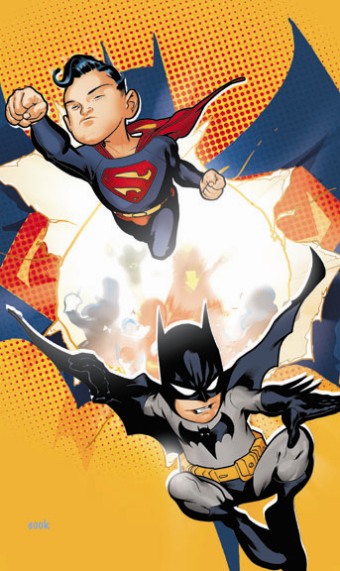
From my review at Sight. I’ve also posted the full version of the gorgeous Ryan Sook cover under the review. It’s so cute, even your girlfriend will love it! What’s that? You read comics? Um…it’s so cute even your Aunt Beryl will love it!

DC’s current gallery of books is hardcore, with more convoluted stories than usual. Final Crisis and it’s truck load of tie-in issues has our heroes facing their darkest day (apparently), and with Batman:R.I.P, which has the Dark Knight’s existence seemingly coming to an unexpected end, the DC Universe is not the simplest or happiest world to visit. However, they still know how to entertain and in recent months DC have given me much more mirth than usual, thanks in part to Tiny Titans, a simple book with short tales, chock-full of fanboy in-jokes. It always puts a smile on my face. Now there’s this Superman/Batman two-parter. I don’t think I’ve laughed out loud so much in a single issue. A pleasant change from last month’s issue #50, which presented a far-out tale where the parents of our titular heroes may have met decades ago, this story is just plain fun, with no need for previous knowledge. Mike Johnson continues his writing duties on this title, from last month, with Michael Green (who also writes TV’s Heroes) who launched an excellent story arc in issue #44 which had the superhero pair hunting down all of earth’s Kryptonite. During that run, Superman was exposed to some Silver K, which gave him hallucinations of pint-sized versions of his costumed friends. It was a brief, but amusing moment. Here, the kid heroes return, thanks to the reality warping powers of that troublesome imp, Mr Mxyzptlk. He confesses that his aim was simply to lighten up the superhero pair, as both heroes have been in dark times indeed as of late, just like us faithful DC readers.

Mirth inducing moments abound in this ish, from Lil’ Bats punching the real deal in the kneecap, to the tiny versions of the Justice League of America, including a Supergirl toddler who cries at the drop of a hat, and similar versions of Wonder Woman, Vixen and Black Canary experiencing love at first sight when the teen Robin enters the Batcave.

I’m so glad to see DC mock their own creations with such recklessness. Superman and Batman are two of pop culture’s greatest creations, and like superheroes in general, are ripe for parody, though it’s really only insiders who can do it with any sense of wit. When films or TV shows attempt to do the same, their parodies come across as cringe inducing. Us fanboys are sick of “underwear on the outside” jokes, but we can laugh at ourselves with ease. The highlight here for me would have to be the pre-pubescent versions of Superman and Batman recounting their origins. Instead of the two gunshots that killed “our” Bruce Wayne’s parents that fateful night, the younger version’s parents experienced, “Two shoves. And nothing was ever the same again. I swore that night that no one would ever be bullied in Gotham City.” Similarly, instead of seeing Krypton’s destruction give birth to Superman, his counterpart’s parents rocketed their only son to earth just to save him from a rainy day. These origins have been told many times over these characters’ 70 plus years of history, and to see them retold here in such a refreshingly different manner is great.

The introduction of similar de-aged versions of the pair’s main villains on the final page is a hoot (Two-Face has a cake covering half his face, and Mr Freeze is armed with an ice-cream gun) and bodes well for more laughs in next month’s conclusion.

There’s sheer entertainment here for both hardcore readers who’ll get the parodies, and something for newbies too. Rafael Albuquerque is the perfect choice for artist. His deft pencils make all the characters seem so adorable and aid greatly in making this issue such a joyful romp. Now I just need to start a petition for DC to create plush toys based on these Lil’ Leaguers.

Coming Your Way

Here’s a bunch of words from various companies espousing some of their upcoming releases, namely some Vlad action from Top Cow, a creepy art book from artist Ben Templesmith and IDW, and finally, the unusual I Hate Galaxy Girl from the fine folks at Image.

Top Cow Productions, Inc. announced it will publish the first, complete story arc of William Harms’ Impaler in a new trade paperback that will debut this October, and then will launch a new series for the property in December.
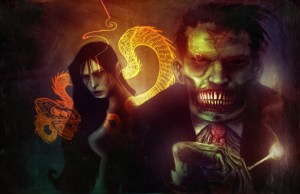
The first three issues of the series were initially published by Top Cow parent company Image Comics in 2006-2007, but was never completed. The Impaler Vol. 1 trade paperback collects those three issues plus the final, three never-before-seen issues of the initial story arc. Top Cow was so excited by this series that it also greenlighted a new ongoing to follow the collection.

In Impaler, a derelict cargo ship is found adrift offshore during a terrible blizzard in New York City. When New York’s Finest is sent to investigate the missing crew, an unspeakable horror is unleashed that quickly spreads all over the snow-covered borough, as a vampire plague quickly moves through the city’s population. The people’s only hope lies in Vlad Tepes, the real-life historical inspiration for the vampire legend, Dracula. Vlad the Impaler arrives to defend the city from the ever-growing vampire horde, but how much can one man do against an army of thousands?

Impaler Vol. 1 boasts a stunning cover by John Paul Leon (Earth X) and features artwork by Nick Marinkovich (Nightwolf), Nick Postic (Underworld) and Francis Tsai (Marvel Comics Presents). The introduction is written by noted science fiction and horror writer F. Paul Wilson, who is responsible for the popular Repairman Jack series of novels and such horror books as The Keep, Midnight Mass and The Touch. Extras in the collection include script pages from unused scenes and bonus artwork.

In December, Top Cow will launch Impaler as an ongoing series, featuring art by British newcomer Matt Timson (Popgun).

“One of the nice things about having the break between the Image series and the new series is that it really gave me time to nail down where the story is headed,” revealed Harms. “I have the next couple arcs already plotted, and I think fans of the book will really dig where things are going.”

“William Harms has managed to put a truly unique spin on ‘the vampire story’ by taking Vlad the Impaler and making him a vampire hunter,” said Top Cow Publisher Filip Sablik. “This trade collection gives birth to this original idea but the upcoming ongoing series from Harms and Matt Timson will really keep you up at night!”

IDW Publishing will release Ben Templesmith’s Art of Wormwood: Gentleman Corpse on August 27.  The book collects all the notable art plus a large amount of sketches, unpublished ideas and never-before-seen paintings from his semi-regular, off-beat serial Wormwood: Gentleman Corpse. It includes an original Wormwood short story.
Templesmith’s visual approach, which has been described as “daring, horrific, and sometimes just plain perverse” has gained a cult following for his work in graphic novels including 30 Days of Night, Fell,  Wormwood,Gentleman Corpse and more recently Welcome to Hoxford.  He has said he is influenced by the science-fantasy cosmos of H.P. Lovecraft’s Old Ones and the work of H.R. Giger.  Templesmith’s black sense of humor, his delicate yet vigorous style, his nuanced but bold use of color, and knack for finding just the right detail to make a panel or page come to life have given Wormwood a huge fan base.

“Wormwood is really just me having fun and trying to throw in as many disgusting perversions of my old childhood influences.  I call it my riff on Doctor Who, if it were more demonologically oriented and written for very juvenile adults with a sick sense of humor”, says Templesmith.

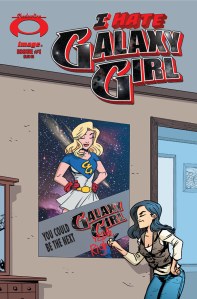
Every underdog gets their day this November as newcomer Kat Cahill and BRAT-HALLA’s Seth Damoose take a stand in Shadowline’s newest three issue superhero mini-series, I HATE GALAXY GIRL!

“While I HATE GALAXY GIRL was originally Kat Cahill’s runner-up for our ‘Who Wants To Create a Super Heroine Contest’, Shadowline Editor Kris Simon and I loved the concept so much we had to put it on the fast track to becoming its own series,” Shadowline Publisher Jim Valentino said. “When Kat saw Seth’s upcoming work on BRAT-HALLA, she knew he was the perfect artist to capture the mood she was going for. We really can’t help but agree!”

Based on skill alone, Renee Tempete should be the new Galaxy Girl. Instead, a buxom blonde with no actual powers holds the title. As events unfold, Renee struggles not only against monsters, criminals and giant robots, but also a society that desperately wants to keep her in her place.

Cahill added, “The core of I HATE GALAXY GIRL is Renee finding the self-confidence to achieve her dreams despite constantly being told to give up. The experience is something I think just about anybody can relate to while the overall story is still a heck of a lot of fun!”

I HATE GALAXY GIRL #1, a 32-page full color mini-series for $3.50, will be available in-stores November 12th.

Rest & Mercy Sparx Reviews

I’m always up for a bargain. Lately, I’ve been spoilt. Devil’s Due Publishing is one of the latest indie companies (after Radical Publishing) to offer 99 cent first issues of new series. Both Rest and Mercy Sparx got my attention pretty much for this reason. Also, because I haven’t given DDP much of a chance, so here goes.

Rest is produced by Heroes and Rocky Balboa star Milo Ventimiglia. What the term, “produced” actually means in a comic book context is anybody’s guess. Well, mine would be that he’s just a name with a vague idea that came to a comic publisher, allowing both to take advantage of each other’s fans. Nicolas Cage, Hugh Jackman and director Richard Donner have all got in on this act, so Milo’s not necessarily paving the way for actor/comic inspiration projects.

Rest is the most interesting concept, compared to Mercy Sparx. Written by Mark Powers, with art by Shawn McManus and Lizzy John, Rest centres on John Barret, just an ordinary guy like the rest of us. It’s his mediocrity, and his settle-for-second-best attitude that has piqued his college mate Teddy’s interest. Teddy sees potential in John for his new wonder drug, and in this ish attempts to convince his superiors that John is the right man for this wonderful opportunity – to partake of a drug that makes sleep redundant. John is unaware of this focus on his mundane existence throughout most of the tale until Teddy shows up in the final pages, hoping to save his friend with the pharmaceutical, as he has been.

Mercy Sparx is a far less subtle tale. Heaven and hell, angels and demons have been fodder for comics for as long as they’ve existed. AS writer (and DDP President) Josh Blaylock explains in his afterword, he’s attempting to forego what’s been done before, while honestly admitting, that in regards to pop culture spirituality, it’s pretty much all been done before. Matt Merhoff draws this intro tale with an almost cartoon vibe and fills Sheol (a hell in City) with horned red devils (the titular character), bug-eyed creeps, and dingy bars. The art is simple, but it gets the story across. Scantily clad women, swearing and God bashing seem to be the quickest way to make something appear “bad” and unfortunately Blaylock doesn’t avoid the cliche here. It does have potential however, especially in the last few pages, where Mercy is transformed into a far more friendly looking human. Blaylock’s one page background of this title, some funky sketchbook pages and a preview of the upcoming issue #1 fill up the ish, as there are far fewer story pages here then in Rest.
Both titles have their own mini-series coming in October by the same creative teams that produced these introductory books. For only $2 for both, these titles are worth picking up, especially for newbies to sequential art. For penny pinchers, choose Rest as it is the more novel concept, and you can read a preview here.

Read Daredevil and The Sentry for Free

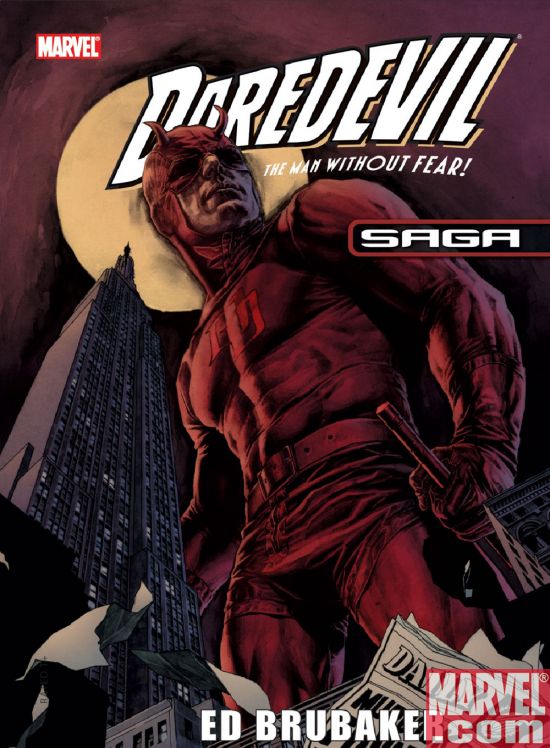
If you’re a fan of bold crime fighters, without super powers (well, sort of) then Daredevil may just be the hero for you. Forget the bad Ben Affleck film, Ed Brubaker has carefully woven an intricate, violent crime saga in blind lawyer Matt Murdock’s title these last few years. Ol’ Hornhead has certainly had an eventful life and you can read all about it in The Daredevil Saga, a handy recap of his recent events, right here. A great jumping on point for curious readers, or catch up to past readers, it’s an insightful look at DD’s busy life, as well as offering a sneak peek at Daredevil #111, the debut of Lady Bullseye.

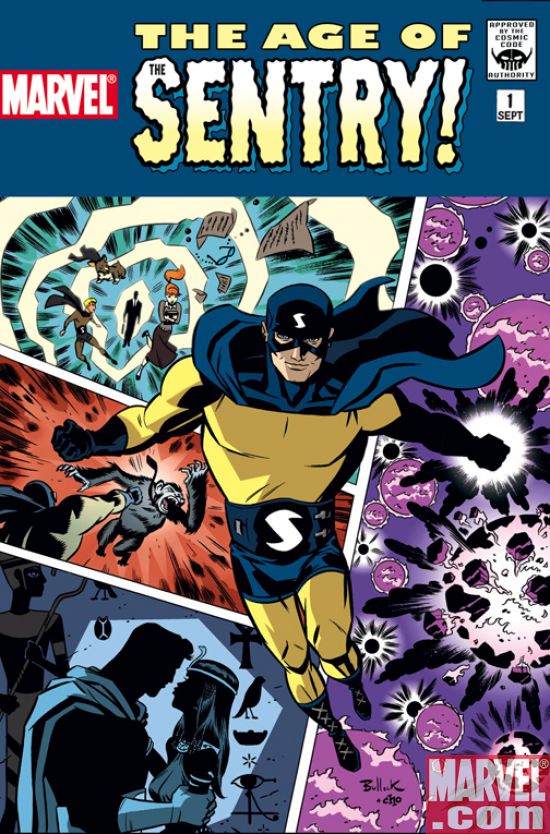
Known as the Golden Guardian of Good, he has the power of a million exploding suns. (That’s a lot of suns.) The Sentry is an interesting character. Created by writer Paul Jenkins and artist Jae Lee in 2000, Marvel touted the character as a forgotten creation from way back in the dawn of Marvel, and only recently discovered in a drawer somewhere. It was all later declared to be a prank, but now the character exists in the pages of The New Avengers as shy, mysterious and way too powerful.

You can now read his adventures in The Age of Sentry by Jeff Parker & Paul Tobin, with art by Nick Dragott & Ramon Rosanos. Yeah, I’ve never heard of them either, but this series, done in the retro style of the classic Silver Age may be some good old fashioned fun. You can find out yourself by reading the first issue for free, right here, on Marvel’s new Digital Comics Unlimited extravaganza. You can buy the paper version on September 17.

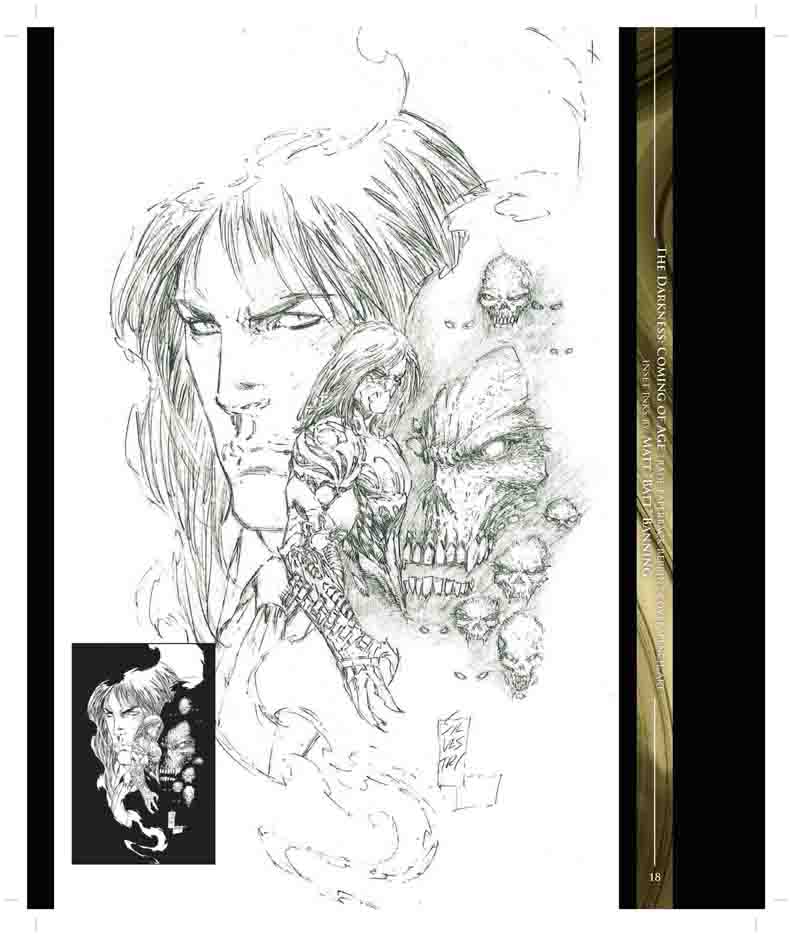
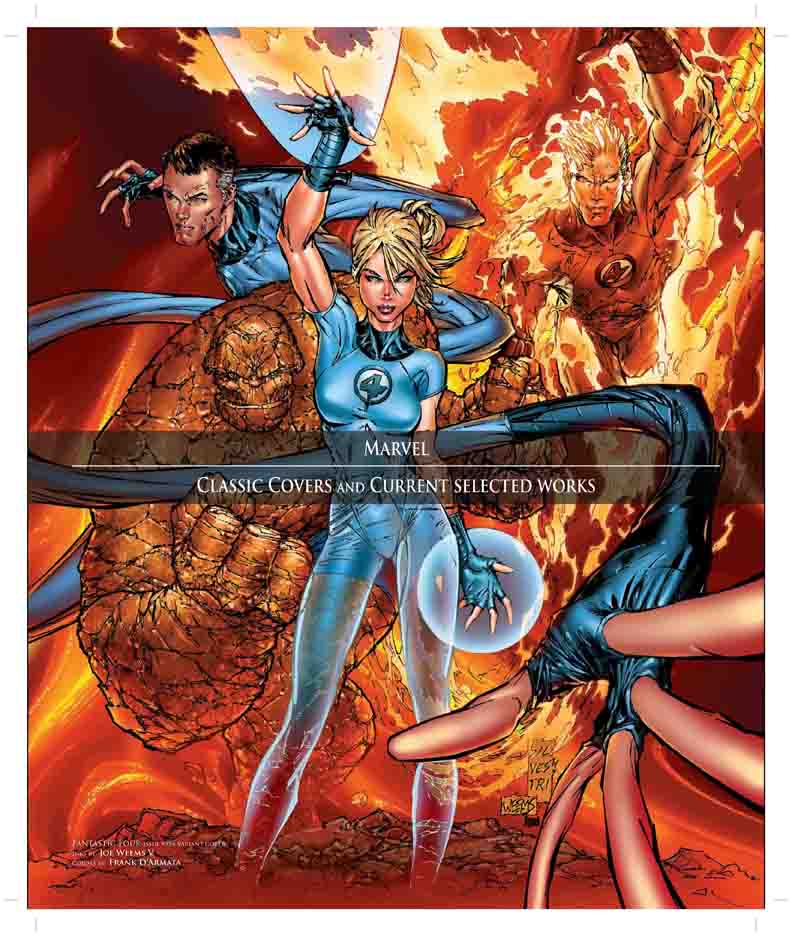
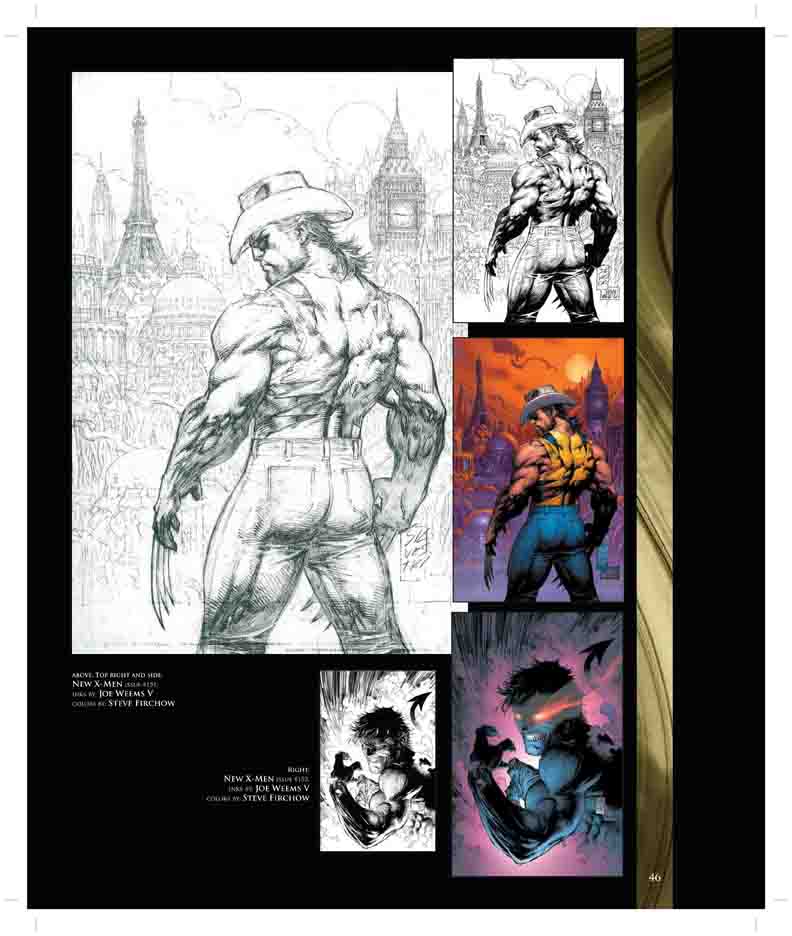
The Art of Marc Silvestri

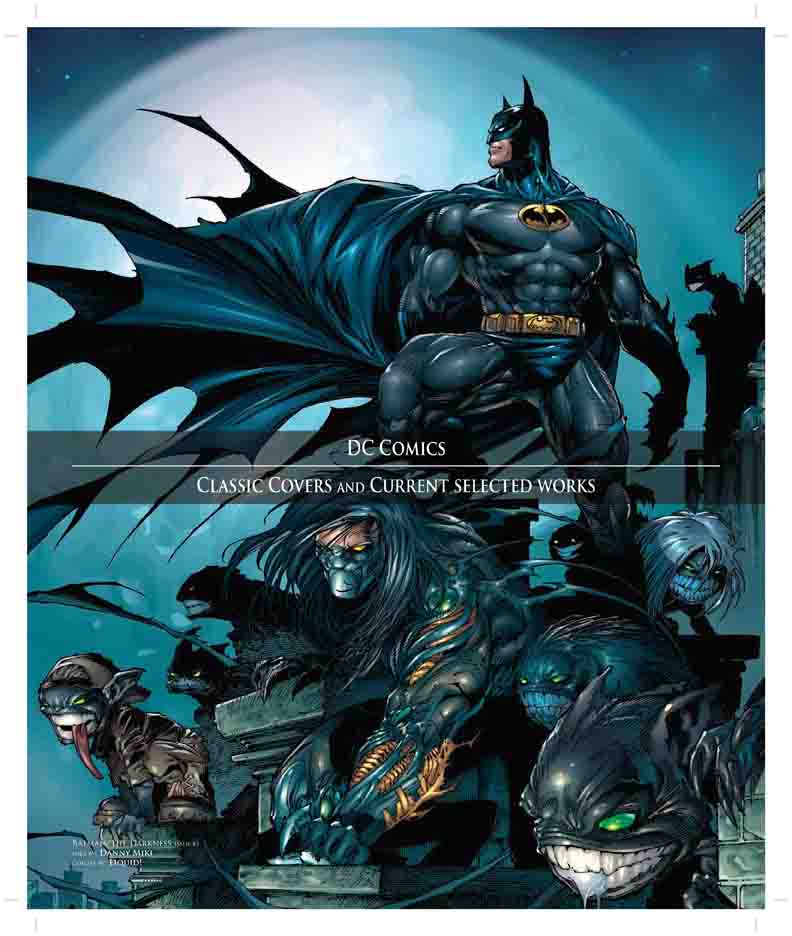
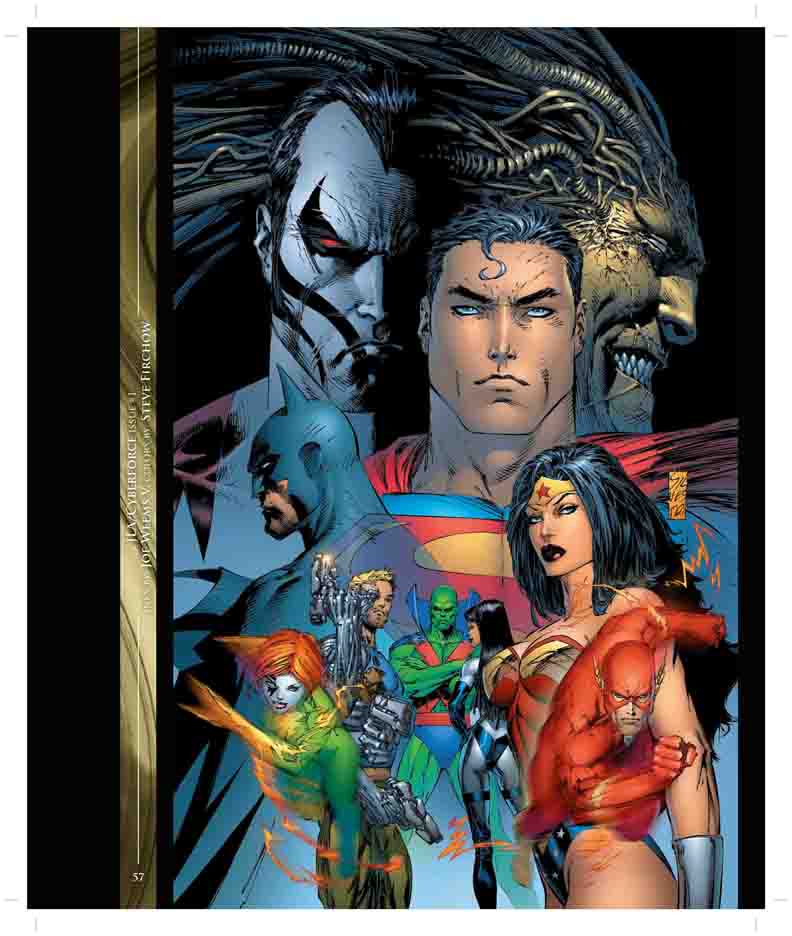
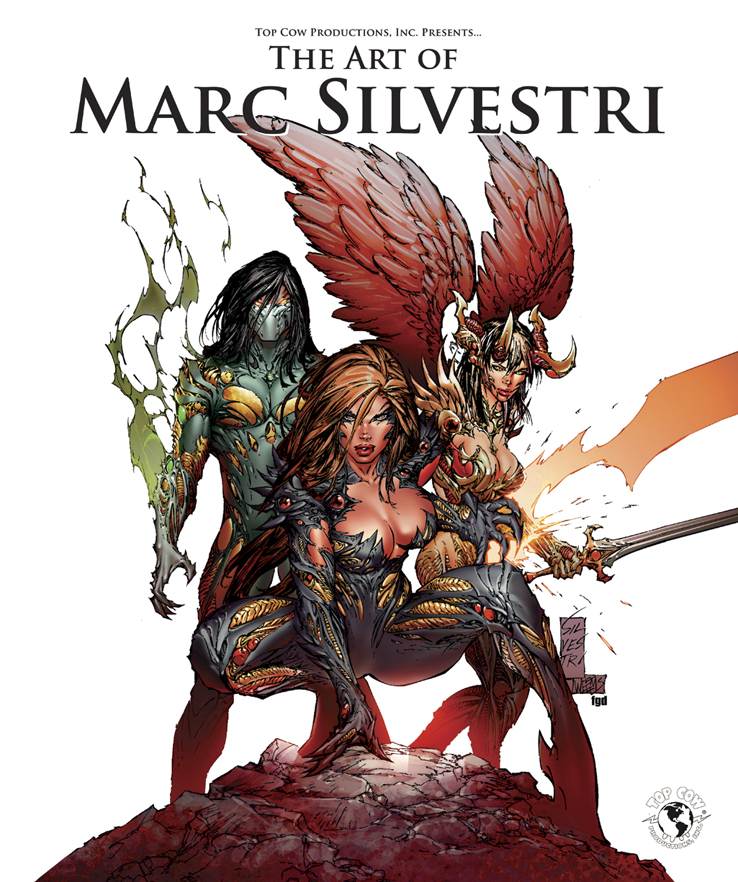
Those Image Comics founders sure know how to draw. Without those mad pencilling skills, there’s no way they ever could’ve jumped Marvel’s ship back in 1992 and bring a whole lotta fans with them. Silvestri is one of those original rebels and his pencils on his own creations like Witchblade, Cyberforce and The Darkness (also a freakily good console game) are things of equal beauty and horror. He has returned to Marvel over the last few years to perty up the pages of X-Men, primarily during the Messiah CompleX series.

The Art of Marc Silvestri book covers the Top Cow CEO’s whole career and also features commentaries by fellow artists Dave Finch, Brandon Peterson, Billy Tan, Mike Choi and Michael Broussard.

The full colour 96 page hard cover book goes on sale August 20, for $US29.99. It’d make a great coffee table book for art lovers or fans of superheroes and villains and the tight bodies that they all possess. See what I mean by checking out a few luscious pages below.

Mighty Marvel Muggs

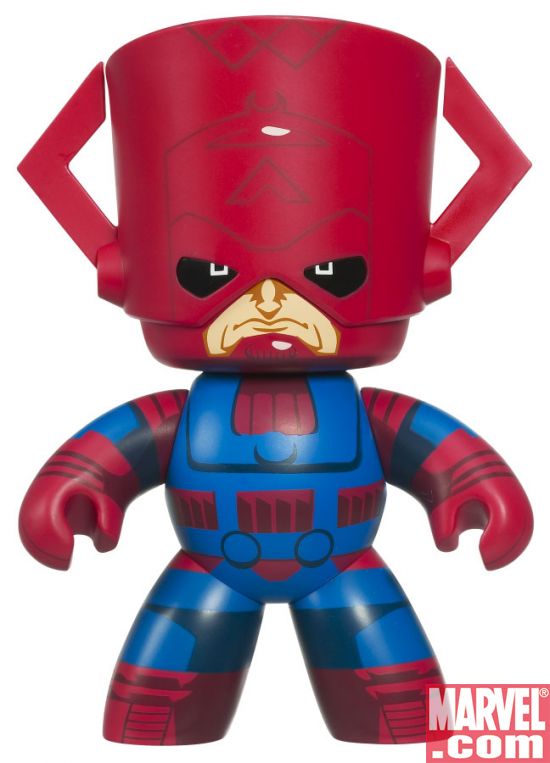
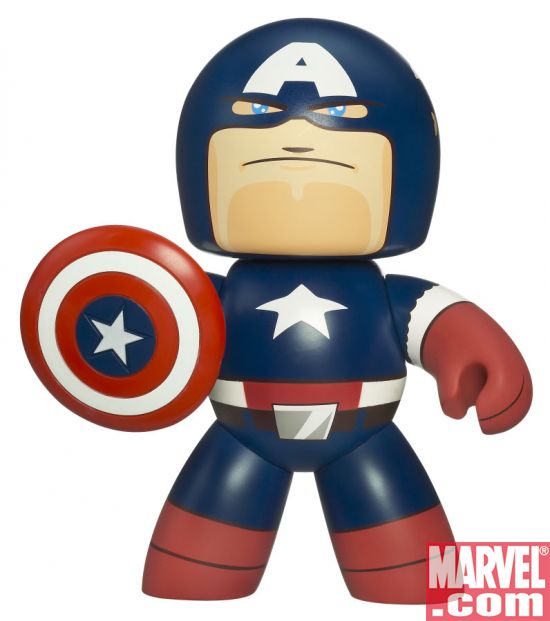
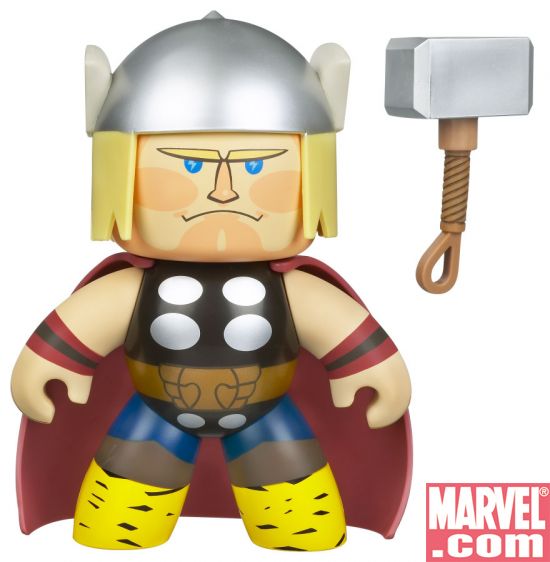
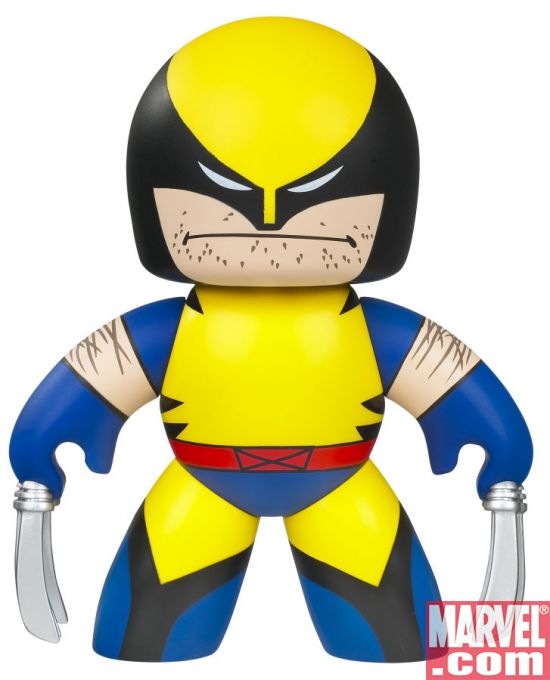
Who ever thought a biker with a flaming head, and a devourer of worlds could look so cute? I saw these in the display at Comic-Con and wanted every single one of them. Considering I’m mainly a DC devotee, that just goes to show you how adorable they are. These unique Mighty Muggs from Hasbro have limited articulation, and some come with character specific accessories. I picked up the Con exclusive Peter Parker/Spider-Man one and now it makes all the girls swoon. You can check out the larger range here of these arty interpretations, and sample some of my faves from the new wave below.

Just try and resist, I dare you, as you park your peepers on Captain America, Ghost Rider, Thor, Wolverine and Venom.

  • Calendar

    • September 2026
      M T W T F S S
       123456
      78910111213
      14151617181920
      21222324252627
      282930  
  • Search