Free Magazine Preview

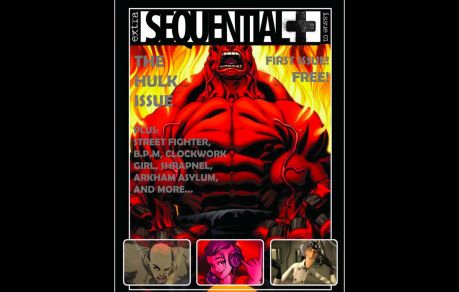
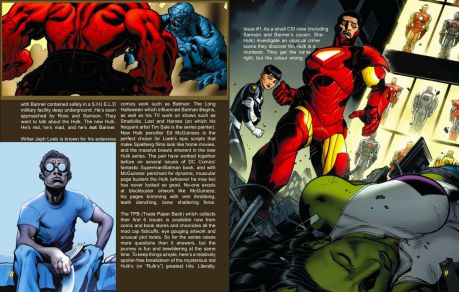
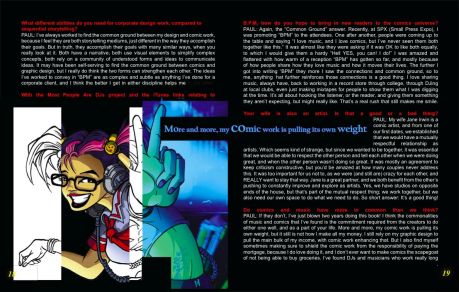
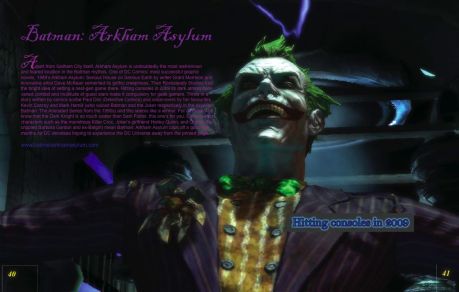
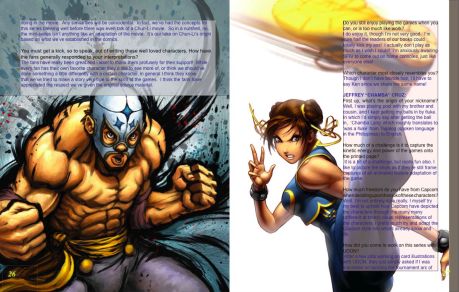
The last 18 months have been great for me from a hobby perspective  and I began thinking that the only thing I’m reasonably good at was comic-y stuff. So I thought I’d start a magazine. It was like  a bolt from heaven, or perhaps a caffeine induced daydream. Either way it’s exciting. Extra Sequential will be  a bi-monthly mag that will be put on-line as a PDF, totally free. Our first ish is now up, though by the time we launch our official site, some tweaking will take place. Go here to view or save the PDF (57 pages, 9.9mb) or here to see it in a great on-line viewer, and please let me know what you think. A few preview pages are below just to give you a taste. Our aim is to make comic books more accessible. The hardcore insider attraction of Wizard is not our model. We’re more inspired by the art heavy mags of street culture, hip-hop mags, with an emphasis on giving a wider audience to the diversity in comics and hopefully creating new readers along the way. Hope you enjoy it. 

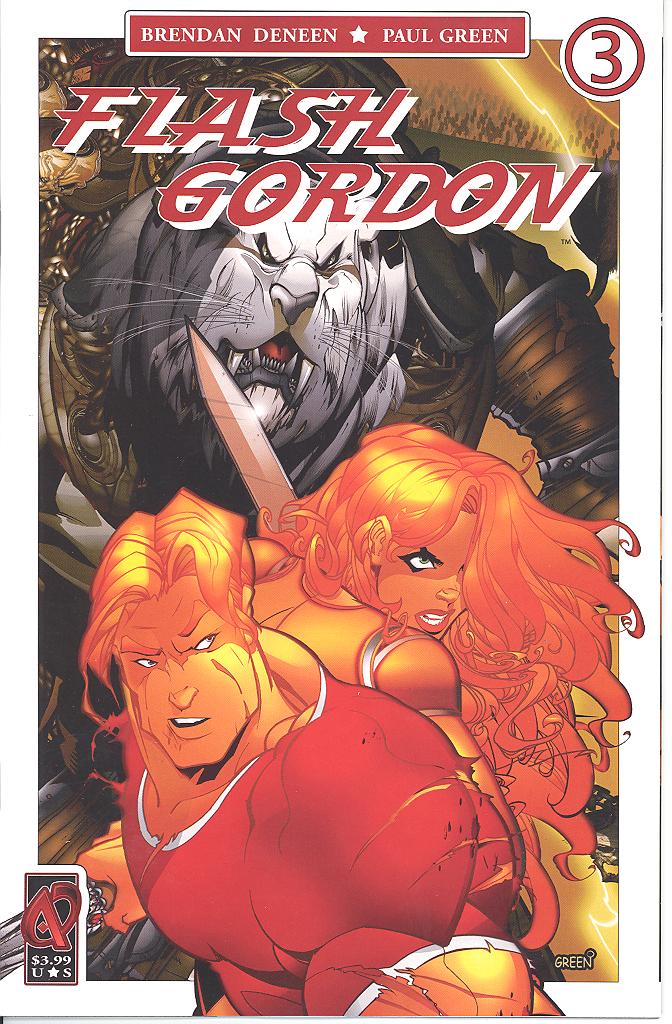
extra-sequential-issue-1-cover

extra-sequential-issue-1-hulk-preview

extra-sequential-issue-1-bpm-preview

extra-sequential-issue-1-arkham-preview

extra-sequential-issue-1-sf-preview

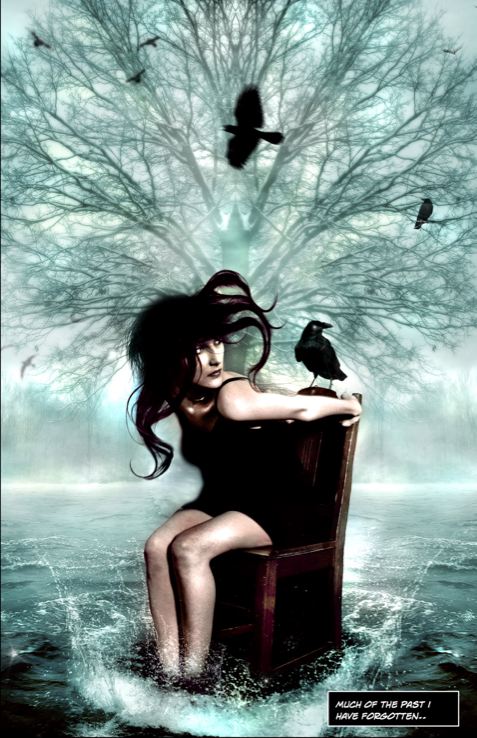
Masks p1

Zombie Tales #9 Review

zombietales_009aCompilations like this are a rarity on the comics stands these days. Image has done very well with the concept with the Tori Amos collaboration, Comic Book Tattoo as well as their two volumes of PopGun books and their recent Liquid City book which featured work by Asian writers and artists. Of course, there is always the excellent Flight series too. Those anthologies are all superb ways of introducing new fans into our beloved medium of choice, but if you’re into something more frequent (as in every month) that features some great short stories, then BOOM! Studios has the answer for you. Comparing their Zombie Tales series to the books mentioned above is a stretch, but they all offer bite sized (no pun intended) tales to hook readers into the marvels of sequential art.
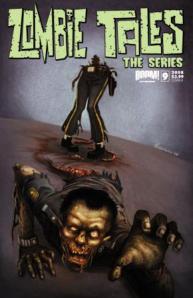
Zombie Tales is, as the title suggests, a monthly look at tales featuring everyone’s favourite horror creatures of the moment. Yep, zombies.  Having only read a couple of issues of this series, it’s extremely refreshing to be able to jump on board and simply be entertained without having to know why Superhero X is pummelling Superhero Y.

If you’re drawn to films of the undead like flies to the…undead, then this is a series for you. Zombies may not do much, apart from shambling and muttering, but as the slew of films have shown as over the last few years, they can squeeze into any genre. They’re not just bound to horror features anymore. Zombies are no longer being typecast. What an age we live in!

zombietales_009bThe first tale here is written by John R. Fultz, with art by Aritz Eiguren. It centres on two hitmen presumably working for the Mafia, who take their latest victim out to the woods to complete their given task. For one of the men, it is The Last Hit, as is the title. Despite their killing of the snitch, he digs out of his makeshift grave and attacks Satch in their car. Satch of course turns against his partner Bruno. Now Bruno has two “corpses” to his credit, and when he visits the boss to tell him he’s finished his final job, it looks like Bruno himself may be the third. Suitably bloody art makes this a harsh and violent story, as most zombie tales are.
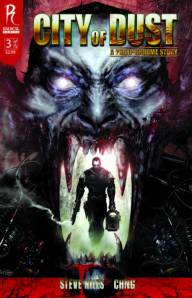
Summer 2061 is the second tale and is a continuation of a story from the first issue of this series. However, if you didn’t read that tale, you won’t be out of your depth here. Basically, zombies now appear to be the dominant lifeform, taking over a city, with humans as their playthings. A more serious and epic tale, written by Kim Krizan, it is complimented greatly by Jon Reed’s ruggedly realistic art. A motley group of human survivors has had enough and storm the city to free a few more to join their ranks. They are met by the world the way zombies want it – humans in pet stores, human rugs and the huge Summer Games, consisting of humans fighting each other like the Roman days of centuries ago.

The third and final tale, Zombie Come Home is written by Tom Peyer, who is the only familiar name in this issue, due to his stint on many DC titles, including Legion of Super Heroes. Drew Rausch’s pencils combined with Drew Berry’s colours give this tale a look straight from a children’s book. The story is a simple one, with very little dialogue. Basically a boy is keeping a zombie tied to a tree in his backyard as a restrained and mute life size action figure. His parents console him as a government chopper comes to take him away. A fiery crash means the zombie is free and after some wandering, he falls into a river and lands at his keeper’s house again, which gives the child much joy. The naïve child runs to his undead friend and gives him a big hug, but instead of receiving a similar response, he is welcomed with a munch to his noggin. What a glorious ending. If you can’t laugh at this picture, then there’s something wrong with you. It’s a deliciously amusing finale, and if BOOM! doesn’t turn this page into  a poster, they’re mad.

There’s something here for every taste. The first two tales are more serious in nature and the final one is anything but. Each of the three differs enough in its approach to story and art and is well worth a look if you’re new to comics, love zombies or just want a few entertaining pages to distract you from your post-Christmas weight gain.


City of Dust #3 Review

cod3_covera_clint_langleyThere are very few series I look forward to each month. This is one of the fortunate to make the cut. Along with Geoff Johns’ Action Comics, Paul Dini’s Detective Comics and select titles from Jeph Loeb and Brian Michael Bendis, I know with City of Dust I’m guaranteed a good read.
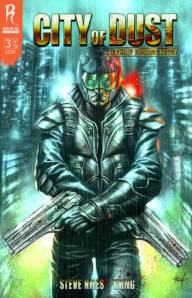
Steve Niles (30 Days of Night) has used the series thus far to craft a tight story within a compelling world. There’s no extraneous information. Every character, every concept and every panel is all there for a reason. 5 issues isn’t a lot to make a lasting impression with an original concept from a new publisher, but Niles and his assorted artists serve up quality by the shovel full.

City of Dust’s core concept is an intriguing one. In the future, creativity is basically abolished, with all religion and art banned so as not to corrupt the minds of the masses. Protagonist Philip Khrome is a cop who imprisoned his father years ago for reading him a fairytale, but now he is beginning to see that perhaps such stories aren’t as corrupting as the lawgivers say.

cod3_coverb_lucioIssue 3 opens with a gruesome scene, of which this series is not shy of, as Khrome uses some old school CSI techniques to determine exactly what happened. His superior, Blake believes Khrome’s mind is slightly askew for not putting his trust in the crime scene bots, who say that there is no evidence amongst the bloody corpse. Facing suspension, Khrome walks away, with fellow cop, Sonja to check out an old evidence storage area. At the same time what appear to be werewolves brutally attack a high society ball. Khrome gets called into Blake’s office, but instead of receiving the expected, “You’ve gone too far! You’re off the case!” type scenario we’ve seen in every Steven Seagal film, Khrome gets a surprise. Blake takes his face off, revealing himself to be a Terminator-like android, created by Henry Ajax. Ajax was once a respected proponent of hi-tech gadgetry, but has now gone underground after being disgraced. Blake and Khrome visit him, surrounded by assorted monsters, and the importance of Khrome’s father in the story takes another step forward. The dramatic change in behaviour from Blake can only be attributed to him “saving face” in front of the other cops, due to the fact that moments later he’s pleasantly talking to Khrome like an old buddy. With Sonja, and now Blake, it seems Khrome’s allies are growing, but they still prefer to remain closet friends, lest they too get in trouble with the harsh authorities. This is never spoken, despite Khrome’s noir-like captions (which work well), so there is some assumption on the part of the reader, which is never a good move. However, the series’ concept and visuals rise above these minor storytelling distractions.
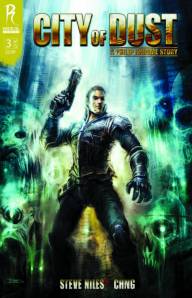
cod3_coverc_michal_ivanThis isn’t the best issue so far, and has less of the supernatural elements introduced in the previous two issues. The art is also different, but not in a jarring way. Brandon Chng handles the art chores here, whereas it was Zid on the previous two. Both have a similar painterly style, with great textures and lighting effects, but Zid’s is the better of the pair. This issue is a slight mis-step in the series as it doesn’t really propel things forward until the last few pages, but with only two issues remaining until the conclusion, Niles will undoubtedly unleash a barrage of blood, and answers, upon us as the sci-fi scenario and horror elements finally meet head on, as tantalisingly promised in this series.
This issue goes on sale December 24.

The Darkness: Lodbrok’s Hand Review

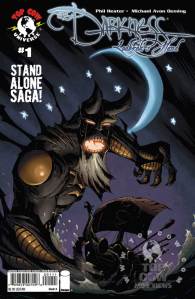
dklh001_cov_aThis is a good stand-alone issue, to be sure. It’s a simple one-shot, but it won’t reveal anything about The Darkness. It’s a very loose tie-in. Apart from one of the main characters being a medieval Darkness bearer, it could be just a generic sword and sorcery adventure. Written by Phil Hester with art by Michael Avon Oeming, Lodbrok’s Hand recounts the sad tale of Lodbrok, the captain of a Viking ship, who as a youth lost his hand. The crazy King Grimur was moving from village to village forcibly enlisting strong men in his army. When young Lodbrok’s family was taken, he, his magic-wielding sister Freydis and a few other youngens set on a harsh journey of revenge. They realise they’re outnumbered and outgunned, or rather, out sworded, so Lodbrok bravely, or foolishly, calls upon the creature known as the Black Captain. He’s big, he has goblin servants bonded to the oars of his ship, and he’s on Lodbrok’s side, for  a price. A bloody battle ensues. Heads are cut off. Freydis dies.Two dragons fight, and Lodbrok learns the hard way what his victory means. The twist at the end, in which the Captain revives Freydis to serve him as a slave forever, rather than Lodbrok himself is a nice one and shows the maniacal assistance that The Darkness offers. It’s an amusing enough tale. The story is so simple that a 24 page one-shot is all that’s needed. Hester has the speech of centuries past down pat and while this isn’t Oeming’s best work (that’s in Mice Templar-grab the TPB), his trademark harsh lines and strong forms are evident. His character and costume design is great as always, and looks like something from a Guillermo del Toro (Hellboy II, Pan’s Labyrinth) film. Go here for  a preview.
The Remnant #1 Review

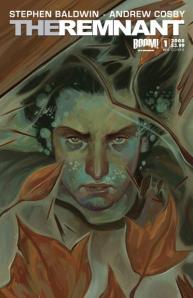
remnant_001bWhen an actor’s name appears on the cover of a comic, us fanboys become skeptical. Heroes hottie Milo Ventimiglia’s name is stamped on Rest from Devil’s Due and more familiar names like Nicolas Cage have had their input on comics, thanks to Virgin (who also had something in the works with Hugh Jackman. I guess we won’t be holding our breath for that one, thanks to their recent downsizing). Kevin Smith seems like the only name that makes fans flock to his comics, regardless of an inconsistent output. And do you notice how it’s usually the indie publishers that pull this? Marvel and DC don’t.
So another actor has his name associated with a comic. A Baldwin brother no less. However, don’t let that deter you. Don’t judge this book by its cover. The first issue is an engrossing start to this mini-series. The story is created by Stephen Baldwin, with help from Andrew Cosby (creator of the TV show Eureka) and is scripted by Caleb Monroe.

Beginning with corpses floating in the street after Hurricane Katrina is an attention grabber. Then to seal the deal one elderly man speaks into the ear of a victim, giving him life. We are then introduced to CIA agent, and newlywed, David Sacker just before he’s caught in an explosion at the Federal Building in L.A while attempting to file marriage papers. David is flung to the ground, clutching his life, just before the man saved in the first few pages passes on the favour, whispering to David and allowing him to return to his very thankful, and amorous, wife. All seems happy for the re-united couple, until a pair of investigators from Homeland Security break the joy by taking Sarah Sacker in for questioning. She, nor David, has any idea why she’s there, despite her name and address being found on the bomber’s body. David is determined to save his wife any way he can and goes home for the night. However, being the on-edge agent that he is, notices a stranger, attacks him and a chase begins. Little does he know that the man he’s silently chasing is the one who saved him in the explosion. Confusion about the mind behind the attack reigns, until a breakthrough in the analysis – the main suspect is the silent Katrina ‘victim’ who apparently is legally dead.

Where this all goes from here is anyone’s guess, but this is a superb set-up. Its mixture of cop-show reality and the supernatural is a classy one. Nothing about this story is over-the-top, but is all handled with a very aware pace. Monroe builds a great rhythm and uses his limited time with the main characters extremely well. In only a few scenes, we know all we need to know about them and their personality shows. It’s a simple tale, but one with enough surprises to entice you further. I dare anyone to not read the next issue after reading this dynamic premiere. Apart from the pacing and characterisation, the greatest highlight is the art.

I’ve never heard of Julian Totino Tedesco. After this, that will change. I would not be surprised if he graduates to the Big Two in a year or so. The action in this issue is minimal.  The explosion and chase are more than needed, and essentially the remaining pages are talking heads. But in Tedesco’s capable hands, they come alive on the page. He’s not afraid to use white space when necessary, and to break panel boundaries and wisely use every page as a new design opportunity. The Federal Building explosion is the best ka-boom I have ever seen on paper and the chase is so varied in its choice of angles that it could be a Spielberg storyboard. Managing natural conversation with scenes of devastation, and a somewhat raunchy make-out scene between the Sackers is a great display of diversity. His art lies somewhere in the vicinity of Frank Cho (Hulk), thanks to the flowing lines and natural expressions. I am so glad BOOM! has enlisted Tedesco. The studio has some truly great titles around, with original ideas, like Challenger Deep and Station, but too often the art is too rough and sketchy and doesn’t give the concepts the support they deserve. If this is a sign of BOOM!’s future, I’ll be definitely be reading more of their stuff.

There is a subtle sense that the world’s not as it is supposed to be running throughout this ish; one that will become more prominent in the next three issues if Baldwin’s rather eloquent intro is to be taken as a promise of things to come. This book has got me. It’s a well rounded package. On every level its just a pleasant surprise.

The Remnant #1 hits stores on Christmas Eve. Grab it.

Tiger & Taffy

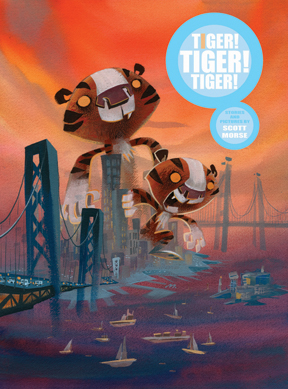
adtigertigertiger_1_coverloTwo new reviews of mine are up at good old Broken Frontier.

Salt Water Taffy from Oni Press is the second volume in the series from creator Matthew Loux (Sidescrollers) and follows brothers Jack and Benny on their adventures in Chowder Bay, filled with embarassing parents, novelty hats and talking animals. It’s good wholesome fun.

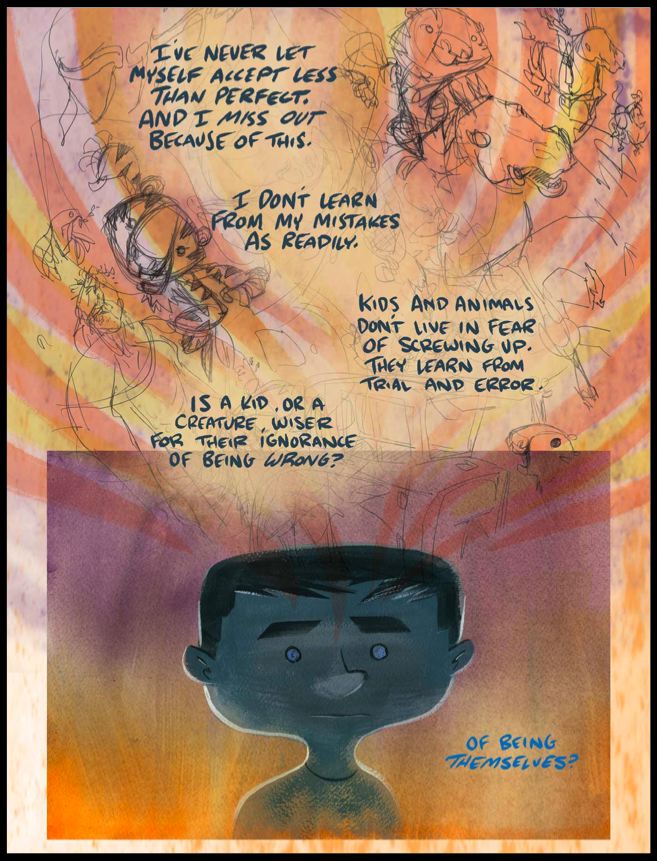
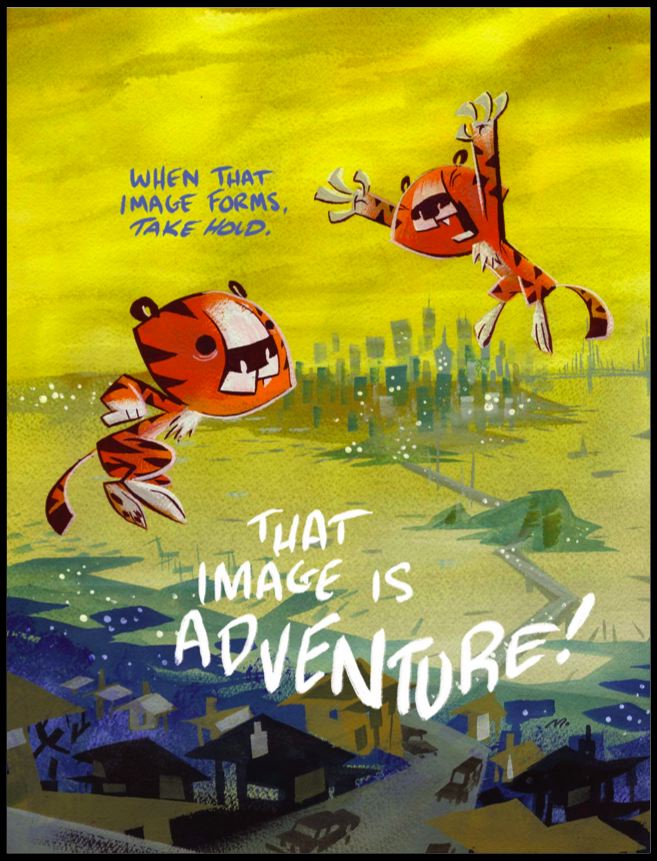
Tiger!Tiger!Tiger! is from Red Window and creator Scott Morse. It’s a different kettle of fish. It’s all-ages too, I guess, but isn’t funny – it’s deep and powerful really in a strange way. The art is a knock-out, simply due to its diversity. See below to see what I mean, and go here for a more in-depth analysis. It’s deep man, but not in a pretentious way. It can’t help but be charming.

tigertigertiger1

tigertigertiger2

Dragon Prince #3 & Body Bags Reviews

bodybagsoneshot_coverMy review for the second last issue of Ron Marz and Lee Moder’s Dragon Prince is up at Broken Frontier. It’s proving to be an all-ages romp with dragons and the men who hunt them. Medieval castles, old men in robes – it’s got it all!

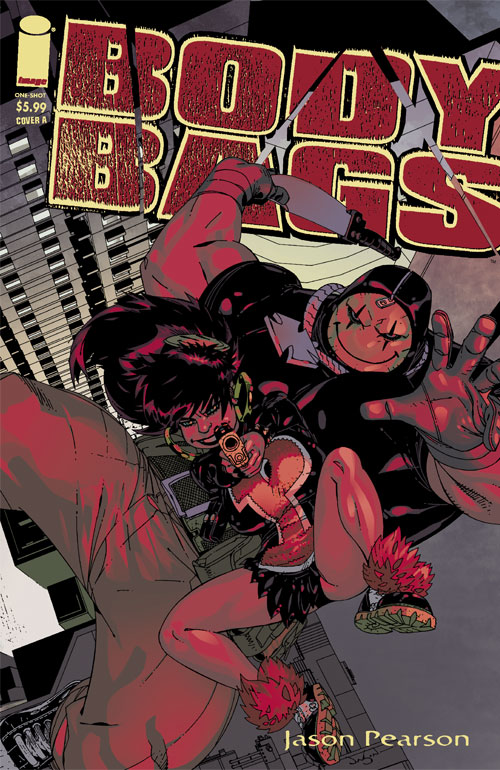
Jason Pearson’s Body Bags One-Shot from Image is an entirely different kind of sensibility. The tale of a father/daughter pair of hired assassins is a romp too, but one filled with multiple (and humorous) deaths, roof top action, gunfire, explosions, and profanity. It will bring a guilty smile to your face, and then you’ll need a bath afterwards. Review here.

Obviously Body Bags isn’t one for the kiddies, but Dragon Prince is. Choose wisely.

Flash Gordon #3 Review

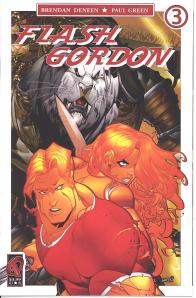
fg3Along with Radical, Ardden are my favourite new publisher. Both companies seem committed to wisely selecting original titles, rather than flooding the market with more spandex wannabes. Flash Gordon is a great licence for any company to have, and the decades old sci-fi hero hasn’t always been treated with the respect he deserves. Ardden look set to change that by putting the focus unashamedly on the hero’s swashbuckling roots but with a contemporary shine that makes it hard to resist. The recent announcement of the company’s new series, The Stand-In, by writer Jim Krueger (DC’s Justice, Dynamite’s Project Superpowers) makes an intriguing second series for this new publisher.

The third issue of Alex Raymond’s classic hero begins with Dr Hans Zarkov (who inadvertently dropped Flash, and FBI agent Dale Arden knee deep in their current predicament) on the Penance Wheel before soon cutting to Flash and his new hot blonde friend Eldun, an Aroborian Ranger. The captured pair are being taken to Mount Karakas by Prince Thun, leader of the lion men. Then it’s another cut to Dale as she’s being given a city tour by the oddly accommodating Ming.

These three main developments occupy the bulk of the story and through some smart exposition we learn that there was once a civil war on Mongo. King Jugrid, Prince Thun’s father was negotiating a peaceful resolution, before he vanished, leaving Ming to take control. Of course, Ming tells Dale his version of the story. His words seem dipped in honey and poison, but Dale appears swept up by his charismatic ways, so much so that she manages to curb an assassination attempt on his life. Meanwhile, Flash and Eldun are thrown into the arena against Thun, thanks to Flash putting his foot in his mouth and insulting the lion men. Finally, Zarkov faces his own threats, namely at the hands of Prince Vultan who demands Zarkov’s help in breaking the slave collars from himself and his winged brothers-in-arms. Dale and Zarkov aren’t the stars of the show in this issue however, and as the title suggests, it’s Flash all the way, joined by Eldun. At issue’s end we learn Eldun’s real identity, but the two sub-plots centred on Flash’s friends leave them in a place where they must decide who can be trusted. On the weird, cruel world of Mongo, everyone wants something from these strange new visitors.

The fast moving plot, quick cuts at pivotal points, and constant action reminded me of Star Wars (the original trilogy). That’s high praise, to be sure, but this series has all the hallmarks of George Lucas’ greatest creation-rogueish characters, separated friends on their own missions, strangers in a strange land, different alien races and cultures, and hints of drama and romance along the way. Of course, Star Wars was inspired by Flash Gordon, and other old-timey adventurers of the past, but Flash has been out of the cultural lexicon for a long, long time. Ardden know that and are smart enough to give Raymond’s characters a fresh paint of ink that will resonate more with today’s pop culture lovers.

Brendan Deneen’s scripts give enough back story to fill the gaps if this is your first Flash issue, but as the title continues and the story becomes more involved, a “Previously in Flash Gordon” page may be a welcome contribution. The only real misstep in the script is the unclear nature of Thun’s relationship to King Jugrid, as ‘explained’ by Eldun. Are they father and son? In the same sentence she seems to offer opposing truths. Paul Green’s slick art retains its manga-lite flavour and is as simply dynamic as ever. In a few panels it’s obvious that some are simply copied, with new word balloons, but it’s not distracting, and as he continues to hone his craft he’ll hopefully become quicker and bolder, allowing for more risk taking in his page designs. I must also mention Richard Emms’ lettering. Along with Deneen, Emms is the main force behind Ardden, and shows what a great job he can do with some creative text design. Flash’s captions and Ming’s speech balloons have enough flourish to give them a distinctive look.

I’m glad Ardden are having success with this series and presenting, or re-presenting, Flash Gordon to a wider audience. Now that the main characters are all introduced, things on Mongo are starting to heat up. If you are, or know a Flash Gordon fan who also happens to be a comics collector, then you can also grab a great Christmas special from their on-line store, consisting of all 13 variant covers to the first three issues for only $US 45.

Batman #681 Review-Kinda

10341_180x270Every comic fan with a blog (and many without) will be talking about this issue, so I’ll make this brief. Grant Morrison is a great writer and has done more than his fair share of ground breaking work in the medium. This isn’t the best example. The entire R.I.P story arc, which has had flashbacks, alternate identities, the Black Glove and all manner of (hopefully) red herrings has been self-indulgent and meandering. Surely, this ignoble demise can’t be the death of Bruce Wayne. I can only hope that, like Jason Bourne in the last film, Wayne swims away to start life anew. The Batman identity will go on, after a “Battle for the Cowl,” involving his assorted partners over the years, and the too-obvious choice of Dick Grayson (the first Robin) in a full page spread holding the cape and cowl seems like another trick to us poor readers. I am excited about the future of this book though, especially with artist Andy Kubert working with writer Neil Gaiman as well as legendary writer/editor Denny O’Neil’s return to the Bat mythos, for two issues before then. O’Neil has crafted some of the best Bat tales ever and has expanded the Dark Knight’s world in a way no-one else since really has. At least his books should be enjoyable.

11116_180x270Basically R.I.P has been a drawn out storyline and this has been an unsatisfying conclusion. Granted, Joker seems scarily cool again, and Tony Daniel’s artwork has finally gotten somewhere above average, but that’s nowhere near enough. It may make sense when all the issues are read as a whole, but Bats deserves better. I’d like to hope that the new Owlman lookalike on the cover of the new Outsiders #15 is Wayne in a new identity though. In the meantime, if you want good Morrison Batman, check out the trade of Batman and Son. Or if you haven’t been following the R.I.P stuff, don’t bother buying back issues.

I think the growing pains are over and Bat-fans can breathe a sigh of relief now that the worst is behind us. Please tell me I’m right, DC. Please.

Masks #1 Review

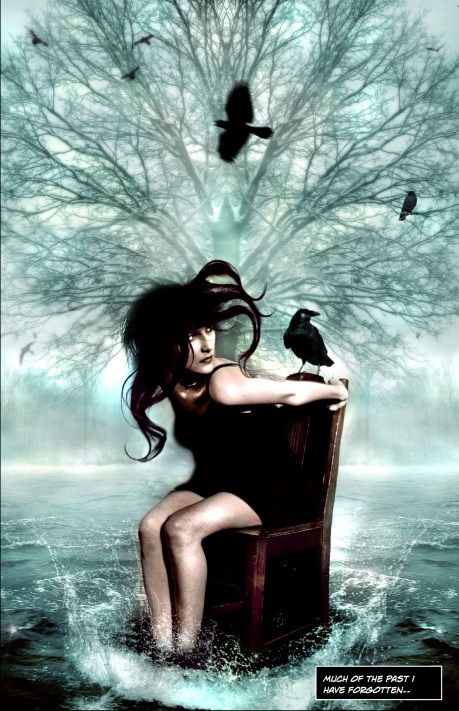
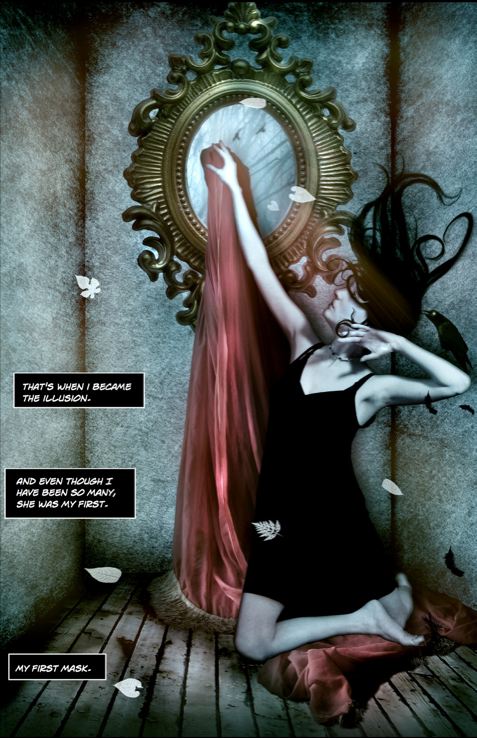
masks01p1Septagon Studios launched in 2003 with the aim of becoming a company priding itself on diversity and creator freedom. Their output has been minimal but judging by Masks, their quality hasn’t. For fans of Dave McKean (frequent Neil Gaiman collaborator) or film-maker Guillermo del Toro (Hellboy, Pan’s Labyrinth) writer/artist Aaron Rintoul’s debut effort with the studio is a class act and bodes well for his future. If he can continue to showcase his unique talents like this, he can’t help but be noticed.

Masks is a 3 issue mini-series that seems tailor made for those whose comic book tastes are a bit less obvious; for readers who prefer films with subtitles and going to art galleries on the weekend. Fanboys who live on a diet of spandex and multi-part epics-beware, Masks isn’t for you. But it should be. I’m a follower of superheroics from Marvel and DC just as much as I am of indie black and white books from smaller publishers. It’s only been the last three years in particular that I discovered the world behind the spandex curtain though, thanks to Craig Thompson’s Blankets, and I continue to be entertained and inspired by what small press publishers bravely create. I’m also glad I can discover hidden gems like this. Despite themes involving murder and abuse, there is no overt adults-only vibe in Masks, although the aforementioned stripper shows some brief nudity. Masks will mainly appeal to mature readers and for regular comic readers looking for a different flavour in their habits.

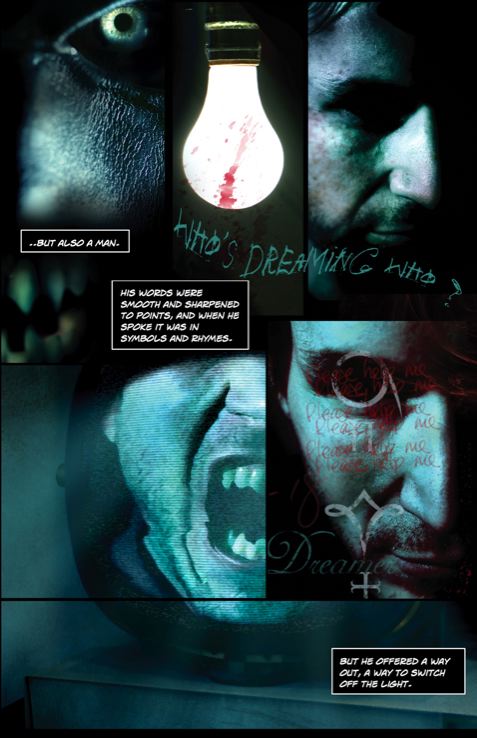
This is the kind of creative endeavour that can only be told in a comic format. With vague thoughts of the films The Fountain and MirrorMask in the back of my brain after I read this, I realised that pair of arty, meandering films are probably the closest cinematic equivalent. With a focus on fantasy and imagination rather than any linear narrative it’s not soon before you realise the story, as such, isn’t the highlight. This is billed as a photographic poem, and that description fits like a glove. Not that Masks needs any focus other than the gorgeous art. Let me say that again-gorgeous.

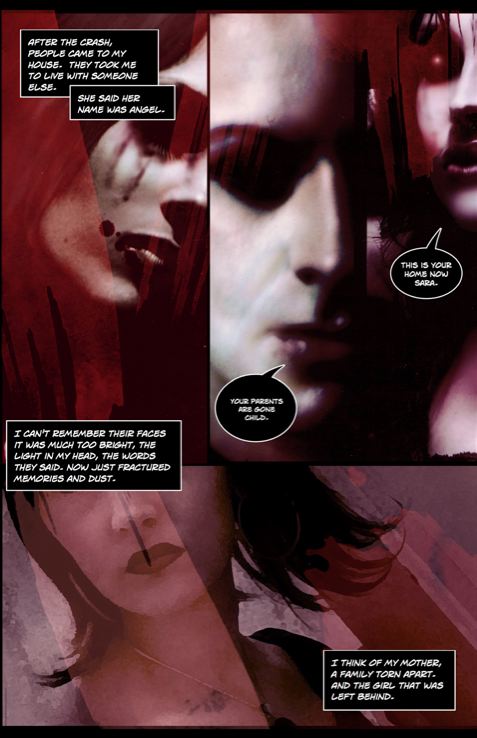
At times the photographic elements are obvious, and at others Rintoul’s keen skills as an illustrator are given the spotlight, with a diverse array of collages and pretty pics. His work also exhibits the clean textural quality of Adi Granov, and in a brief strip club flashback it looks like stills from a basic CGI film. The page layouts are simple enough and retain a simple pace.

Rintoul’s strength here clearly lies in his skills as an artist rather than a writer and has wisely put his effort into the latter. There should be more multi-media books like this on the shelves instead of even more flashy pencillers. Our medium has a greater sense of variety than the top sellers each month indicate. Granted, it’s easier to use phot-manipulation when you stories don’t centre on superheroes throwing skyscrapers at each other. What story there is focuses on Sara, and is told from her perspective as she apparently tracks a killer through his victims dreams. This isn’t particularly clear but will presumably become so in the remaining two issues of this mini-series. This introductory ish has minimal exposition, with captions more about building a broad gothic atmosphere rather than leading to a climactic showdown between Sara and the unknown killer. With typical genre shots of owls, clocks and masks the pages flash between rust coloured scenes straight from the set of the latest Saw film, to something out of a brightly lit 19th century masquerade. If you were to grab 3 random pages from this issue you’d swear they were form three different, and very talented, artists. Yet there is a great unity through the twenty two story pages. Septagon have wisely given Rintoul a blank canvas and appear to stand by their mission statement in giving creator’s unlimited freedom to display their wares.

If you’re unsure about giving this series, watch the moody trailer or better yet, download the entire first issue for free at Wowio. Your eyes will thank you for it.

masks01p2

masks01p3

masks01p4

Leviticus Cross #1 Review

prv1078_covI always like to give the under dog a go. In the comic book field, that means new publishers. It’s a tough market, with even tougher competition, but I admire any creator that puts their creative and entrepreneurial work out there for the world to see.

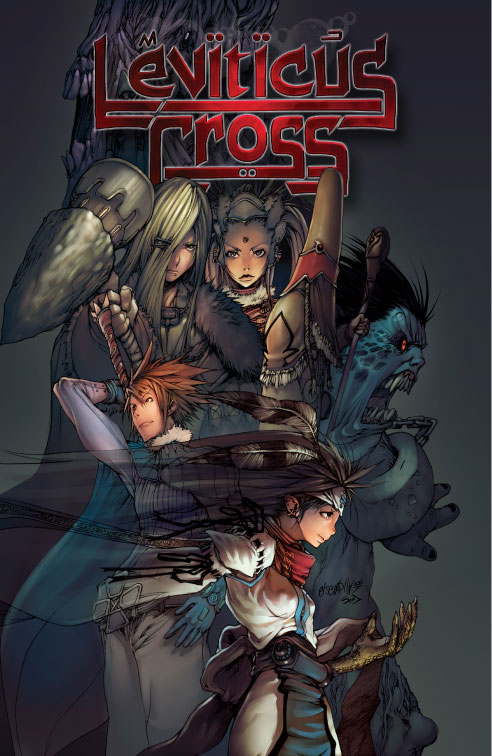
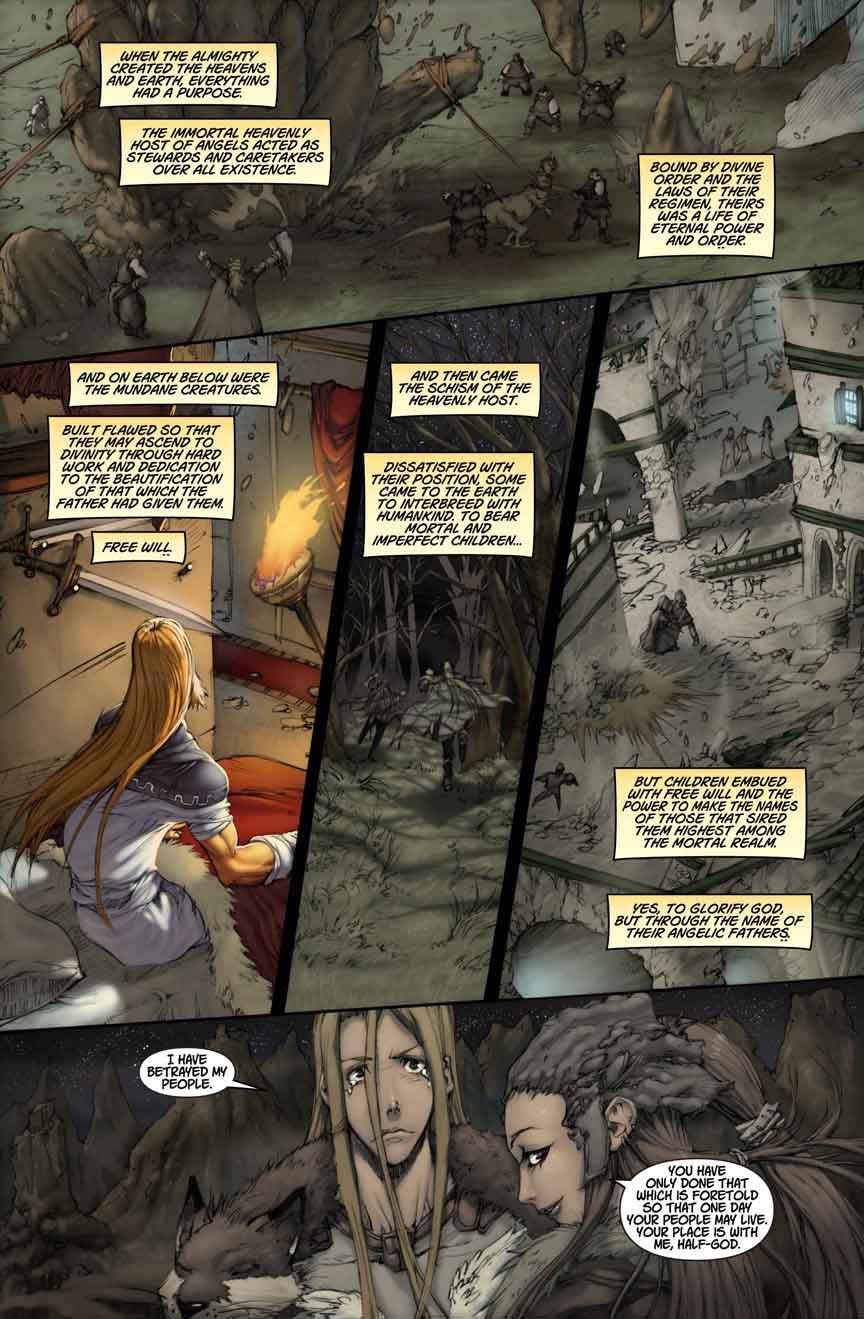
Newcomer Hays Entertainment’s launch title, Leviticus Cross certainly gets points for a catchy title. If you think it’s vaguely biblical you’d be right, judging by this issue. The prologue recounts for us the story of man’s early days, including the Nephilim from Genesis 6. Created by Seth Hays, and written by Josh Torres, the pair take this often misunderstood verse and run with it. The world explored in this issue is one where mortal Giants and immortal Angels and Demi-gods appear to be feuding relatives. Angels acted as divine caretakers of the earth and its occupants until curiosity got the better of some, resulting in a new breed of humans with angelic fathers, who then decide to recede from the world of man and build their own city, Asgard.

This mythology at the centre of the series is described with much detail here, but serves as an effective backdrop to the main story. If this series is a success, a prequel recounting these events seems likely. The title comes not from some mythical hero, but the capital city of the empire, where the second half of the issue is set.

We are introduced to more than a few characters here, including the blonde Thor, also known as Stormbringer; a revered general who managed to keep the monstrous Nontai Dag at bay a century ago and his lover Princess Jarnsaxa. The main character towards the end of the book is shown to be Naitia, the daughter of a prominent trader in the city, who hides a secret from the superstitious populace.

It seems tailor made for fans of manga and anime and the rapid fire Japanese styling that goes with them, rather than for readers of American superheroes. The art by Hector Sevilla is great, but won’t stand out from a crowded manga market. The character designs are worthy of Street Fighter IV and he draws monsters and men with equal skill. He also manages to render the bustling medieval city with great detail and personality, and the variant covers for the series look fantastic.

This is a 5 issue series and it hasn’t hit its stride yet. There’s some big concepts and a wealth of characters who have yet to be fully utilised, though it’s obvious Naitia and her secret abilities will become prominent in the remainder of this title, especially considering the last page of this ish. It appears that Hays and Torres have thrown in too much in this first issue, but hopefully focusing on Naitia as she welcomes her abilities, rather than hides them, this series will steam ahead. It’s just too much to take in at the moment, with new characters and exposition thrown at the reader on almost every page. With greater handle on pace and substance over style, this series could definitely go somewhere exciting.
prv1078_pg3

Savage Surrogates

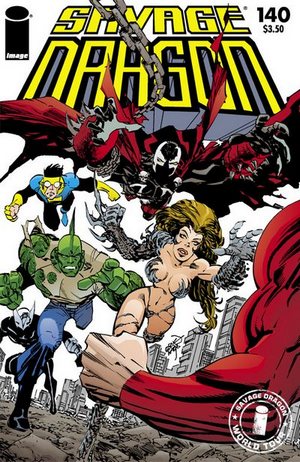
savagedragon140_1My review for Savage Dragon #140 is now up at Broken Frontier. I haven’t read that title in a long time, but it felt like I was welcomed right back. It’s a good, old timey adventure. Gotta love Erik Larsen for sticking to his guns with this series.

I was also fortunate enough to interview Robert Venditti, the creator of The Surrogates, an awesome dystopian tale from Top Shelf that is in the process of becoming a film. Not bad for a first time writer who once worked in the mail room! The film should be interesting. It has a lot of great material to use, with its concept of citizens living vicariously through their robotic representatives, while an anti-tech uprising takes place. The film starts Bruce Willis and Ving Rhames, so I wouldn’t be surprised if they throw a few more action scenes in for good measure.

Broken Trinity #3 Review

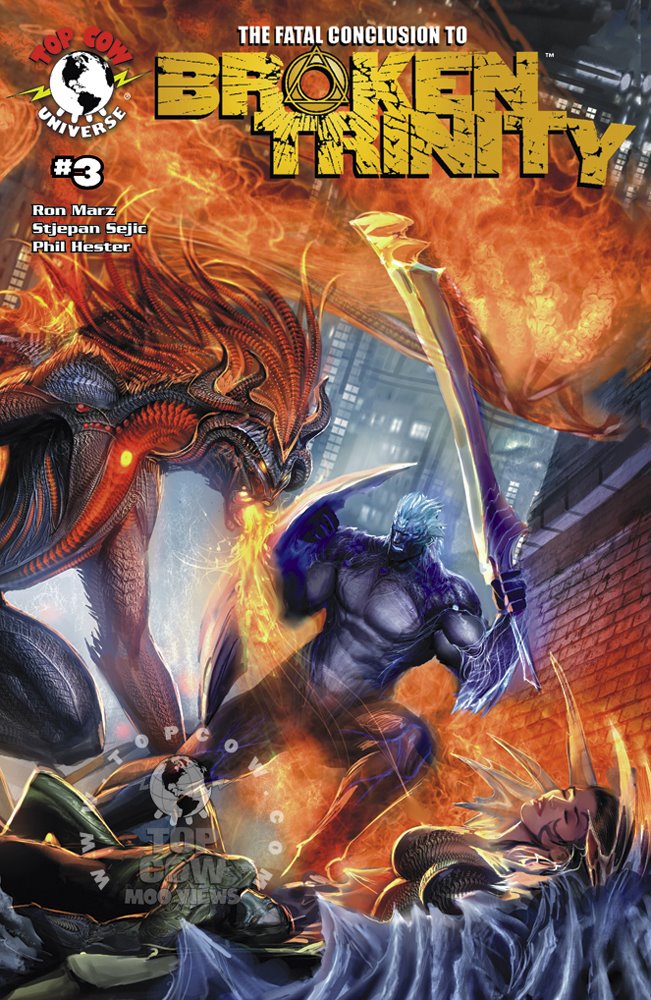
bt003cov_1As someone with a vague awareness of the current goings on in the Top Cow universe, it’s always a welcome feeling to jump right in to a random title and not feel lost. Called the “Fatal Conclusion” to this mini-series that focuses on the top three supernatural powers (The Darkness, Witchblade and Angelus) the title is a good indication of the events of this issue. It begins with long-time ‘Blade wielder Sara Pezzini at the door step of fellow cop Patrick Gleason, and she brings a war with her. Gleason has been with Sara for a while now, so it’s about time his eyes were opened to all her supernatural secrets. He manages to stay focused long enough to save the life of an old man whom he must have befriended in the previous issues, and demands that this ancient looking Asian drop the “mysterious curator” act and tell him what’s going on. By the way, he looks like every mysterious curator you’ve ever seen in a movie – long fingernails, long white facial hair and a long robe. He promptly tells Gleason of thirteen artifacts that are keys to mankind’s fate.

While this conversation continues, Sara and Jackie, who’s somehow now The Darkness Unplugged, have their backs against the wall when Celestine AKA Angelus and a few of her gorgeous friends arrive to lend a helping hand – for the other side. New character Finn does some fighting of his own while looking like a Hulked out Iceman, and yes, there is a death as promised on the cover, but this is comics after all, so only time will tell what that means exactly. It wasn’t the death I was expecting and is handled with good suspense.

Writer Ron Marz and artist Stjepan Sejic continue to work beautifully together. Sejic renders the battle in glorious fashion, and had me wishing that the last episode of Angel looked like this. His painterly effects are always pleasant on the eye, and here he seems to be bold enough to experiment with layout and page design. Hopefully, he’ll continue to. Marz proves he’s the master of simple action yet again. There are some big (and not entirely original) ideas at play here, but he knows how to make a comic accessible. Secret Invasion and Final Crisis are just as grand concepts, but Broken Trinity achieves the same level of comic book soap opera with less issues, and characters. If you’re a fanboy who doesn’t know what to give a newbie, anything written by Marz will be a sure thing, as the experienced scribe entertains without confusion every time. The last few pages are a treat too, and herald a new direction for the characters in its pages. Where Top Cow take those left standing after this event should be just as interesting to watch.

For a preview of this ish, go here.

City of Dust #2 Review

cod2-cv1

Radical Publishing have done it again. The company’s Freedom Formula had me drooling over the pages and now we have a new contender. City of Dust by Steve Niles, the writer most known for his horror work (30 Days of Night) shows that he can cross genre boundaries with ease. The second issue reads a lot quicker than the first one, after last month’s set up of the premise and characters, and the premise is this: a sci-fi city where the words dystopia, totalitarian and Big Brother seem appropriate descriptions. Yes, it may remind you of 1984 and the under-rated 2002 film Equilibrium (starring Christian Bale) with the government stamping down on works of fiction and seeking to control its citizens through strict laws. However, City of Dust is shaping up to be a series that shakes off such simple comparisons. It has a look that will appeal to fans of Blade Runner and Minority Report – all gloss and sheen, but with a hidden dark side, and Niles brings in elements often unfamiliar to such tales to give it a new edge. Mainly those elements involve something Niles is very familiar with; nasty beasties and gore. Melding sci-fi and horror is a wise move, and this series needs it to lift it above the obvious comparisons mentioned.

Protagonist Philip Khrome is a detective who, as a child, dobbed in his father for reading him a bed-time story; an act which is illegal in his city as such fantasies can warp minds and lead to all sorts of weird behaviour. Fanboys will be familiar with this theory. Last issue Khrome was discovered reading a children’s book red-handed (under a corpse no less) and in issue #2 is investigated by the doubting GBI for his actions. More is revealed about Khrome’s relationship with his father as he discovers that the corpse and his imprisoned Dad are somehow connected. Plot points are also set up here that will surely lead to Khrome questioning who he can really trust around him, including his fellow cop, Sonja. There are also more obvious horror themes here than last issue, with the various creepies beginning to reveal themselves (as the GBI discover the hard way) and presumably make their way into the real world to show that they can not be so easily forgotten. A showdown between jet pack, ray gun wielding police and drooling inhuman creatures ought to be fun to witness, if that’s where Niles is going with this.

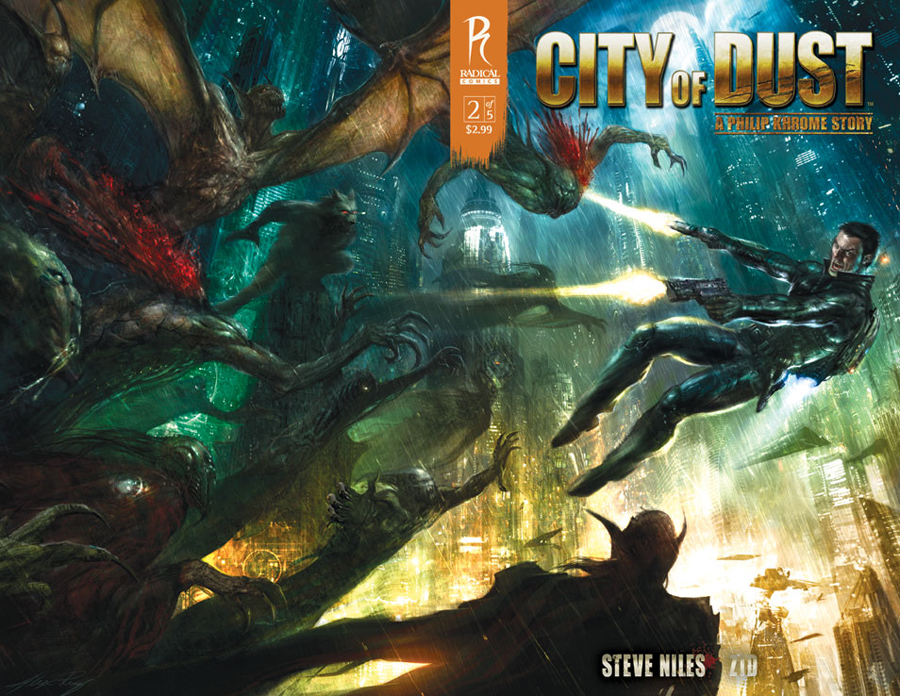
The book looks great, as many have come to expect from Radical. Choosing Imaginary Friends Studios, the Singaporean based art studio was a real find. It may be hard to discover extraordinary, new talent in this industry and Radical have looked where perhaps no other company has- outside the obvious fan base and disovered some real gems. Zid, this series artist continues to give the book a CGI look that’s a touch shy of Adi Granov, with just as much depth and texture. The motion and action are less than the first issue, but we have scary looking monsters and gruesome deaths to make up for it, and there are two double page spreads that are very impressive indeed. Radical needs to lock Zid into an exclusive contract, and quick. The variant covers that each title receives is also a nice touch and this has got to be the best of the bunch. You’ll be hard pressed to decide which of the four you want to take home.

There are only three issues left of this series, so hopefully Khrome wakes up, monsters show up and the city changes its view on what’s acceptable reading material after all is said and done.

cod2-spread