The Frontiersman #15

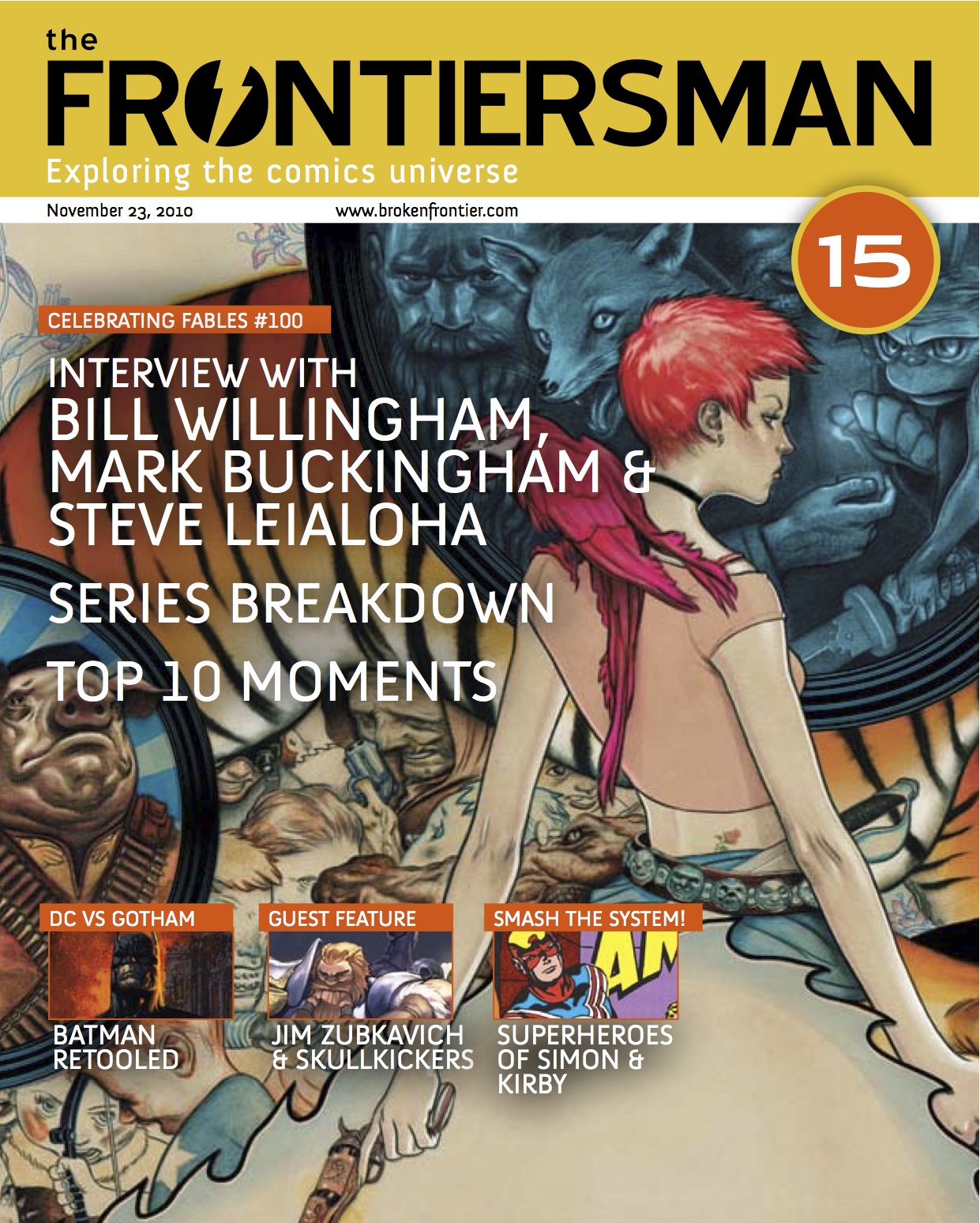
Co-edited by yours truly is the latest, FREE issue of the digital Frontiersman magazine. Get it at Broken Frontier.

Inside its 46 pages is a feature on Fables and an interview with its creators, writer Jim Zubkavich on his great and popular Skullkickers, a look at Superboy’s history, an exclusive preview of January’s Who Is Jake Ellis? from Nathan Edmondson and Tonci Zonjic, and more.

Andy Schmidt Interview

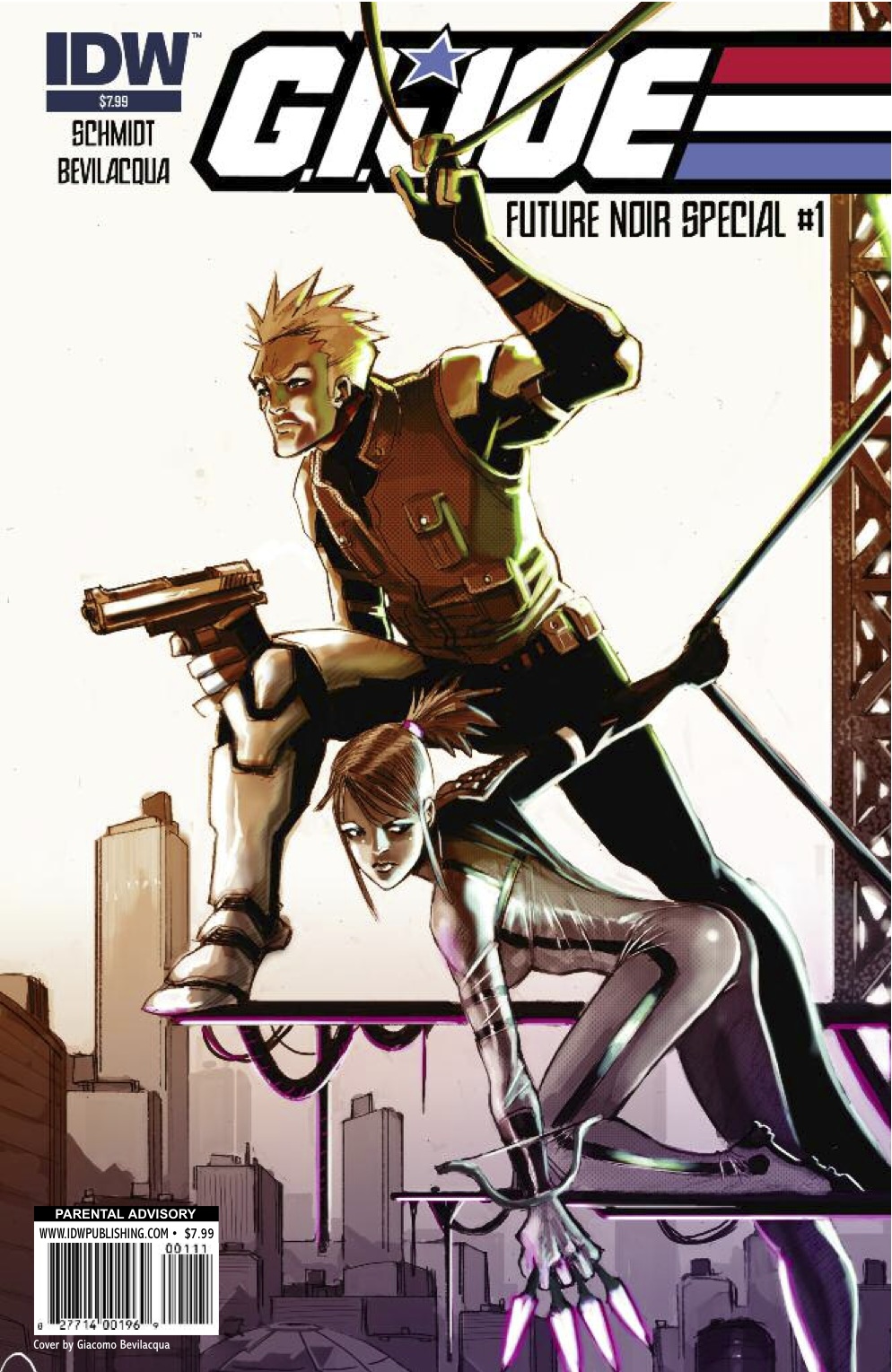
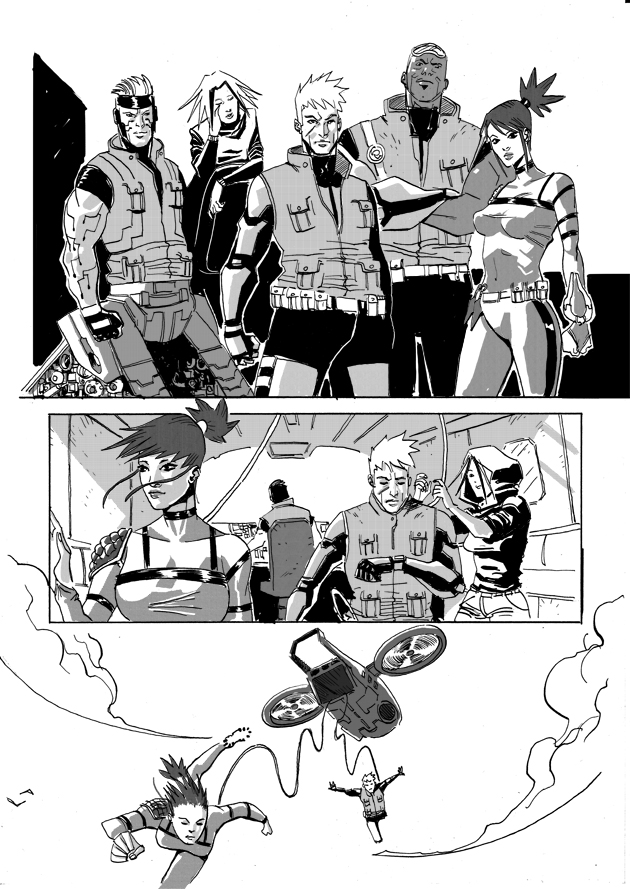
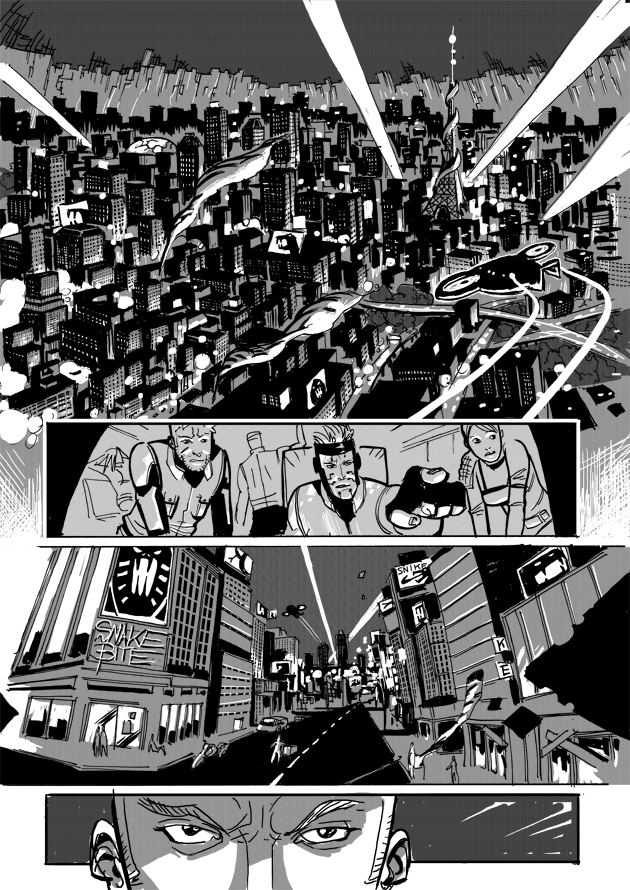
Editor, writer Andy Schmidt and I had a virtual discussion about his intriguing new series for IDW Publishing, G.I. Joe: Future Noir. It’s a bold take on the characters and the first issue (of 2) of the black and white tale is out right now. Check out the interview at Broken Frontier here.

Jim McCann And Janet Lee Interview

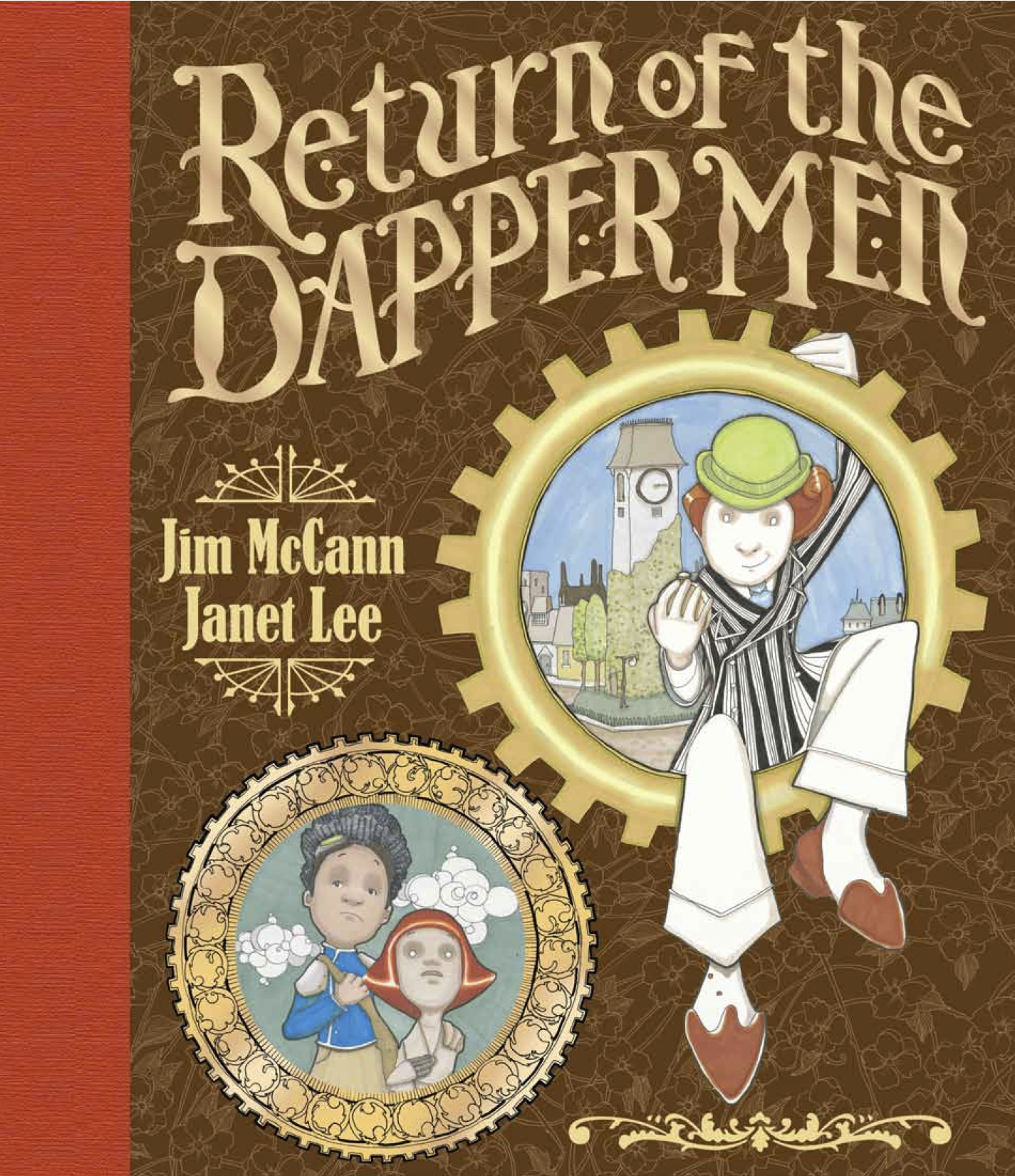
This interview, conducted with the writer and artist of the unique OGN, Return of the Dapper Men (now available from publisher Archaia) was scheduled for the print version of Extra Sequential. This is the last interview from the recent final days of ES, but you can see the rest of our almost-to-print articles right here. Now, read on to discover more about this gorgeous looking book.

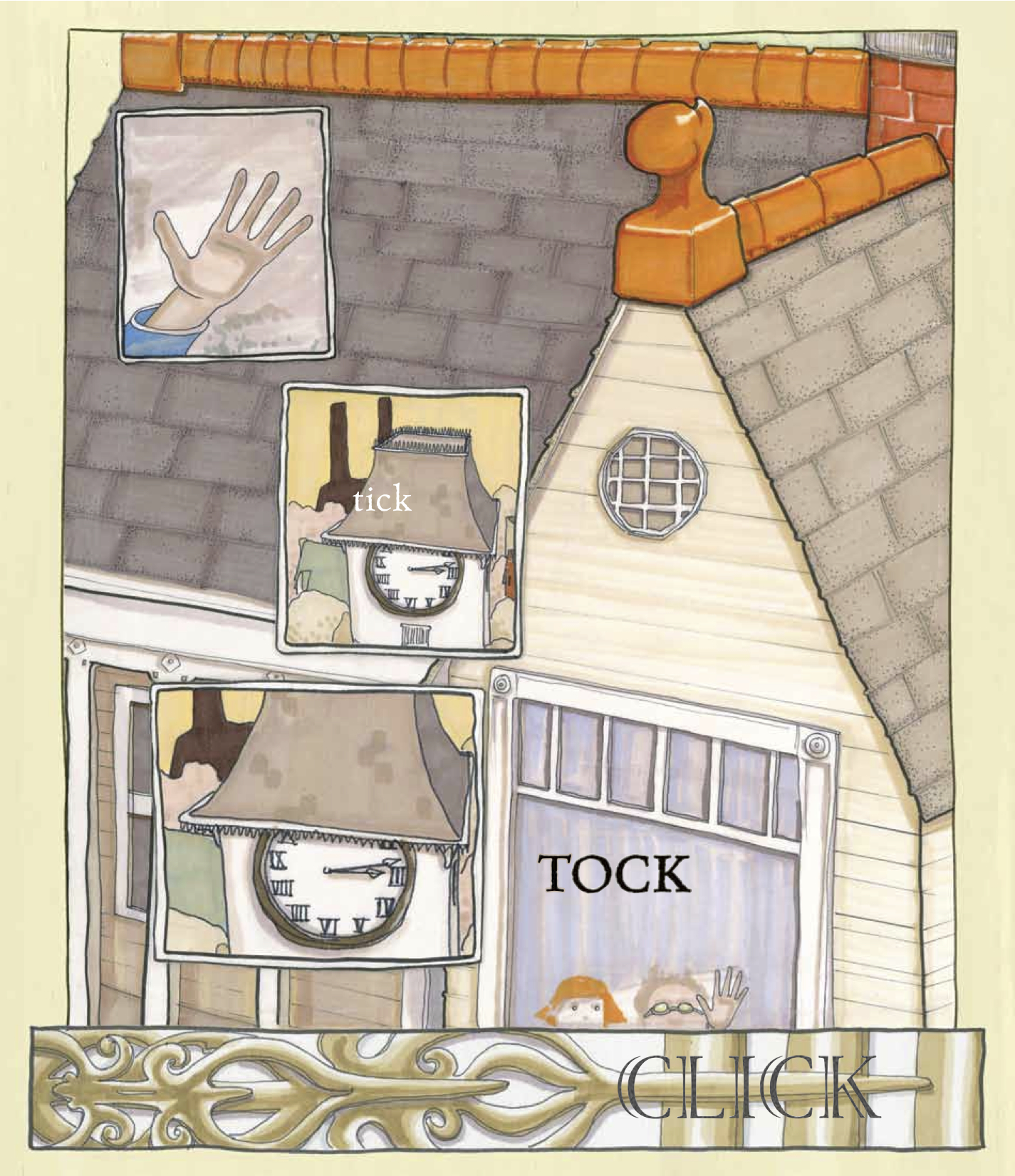
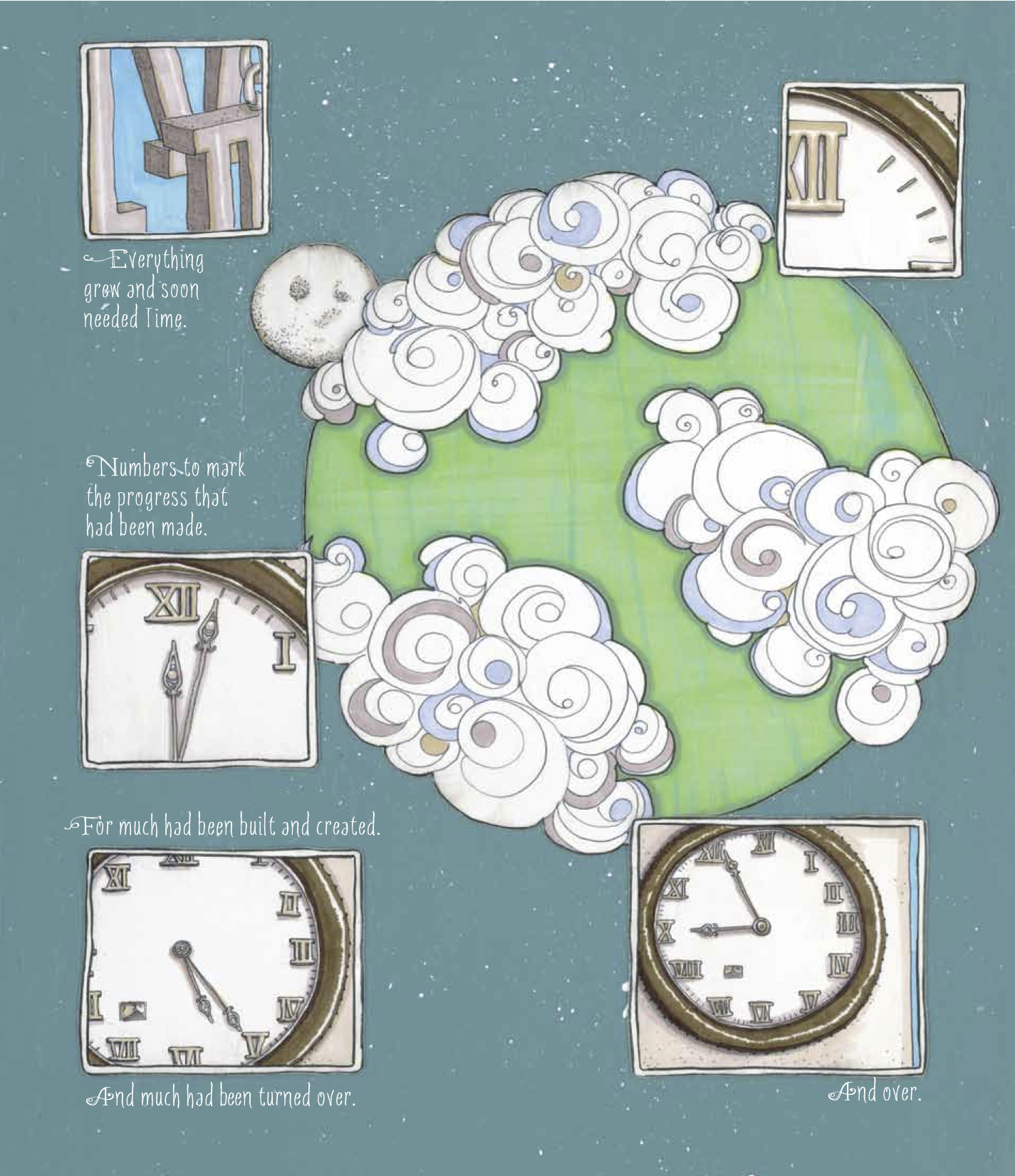
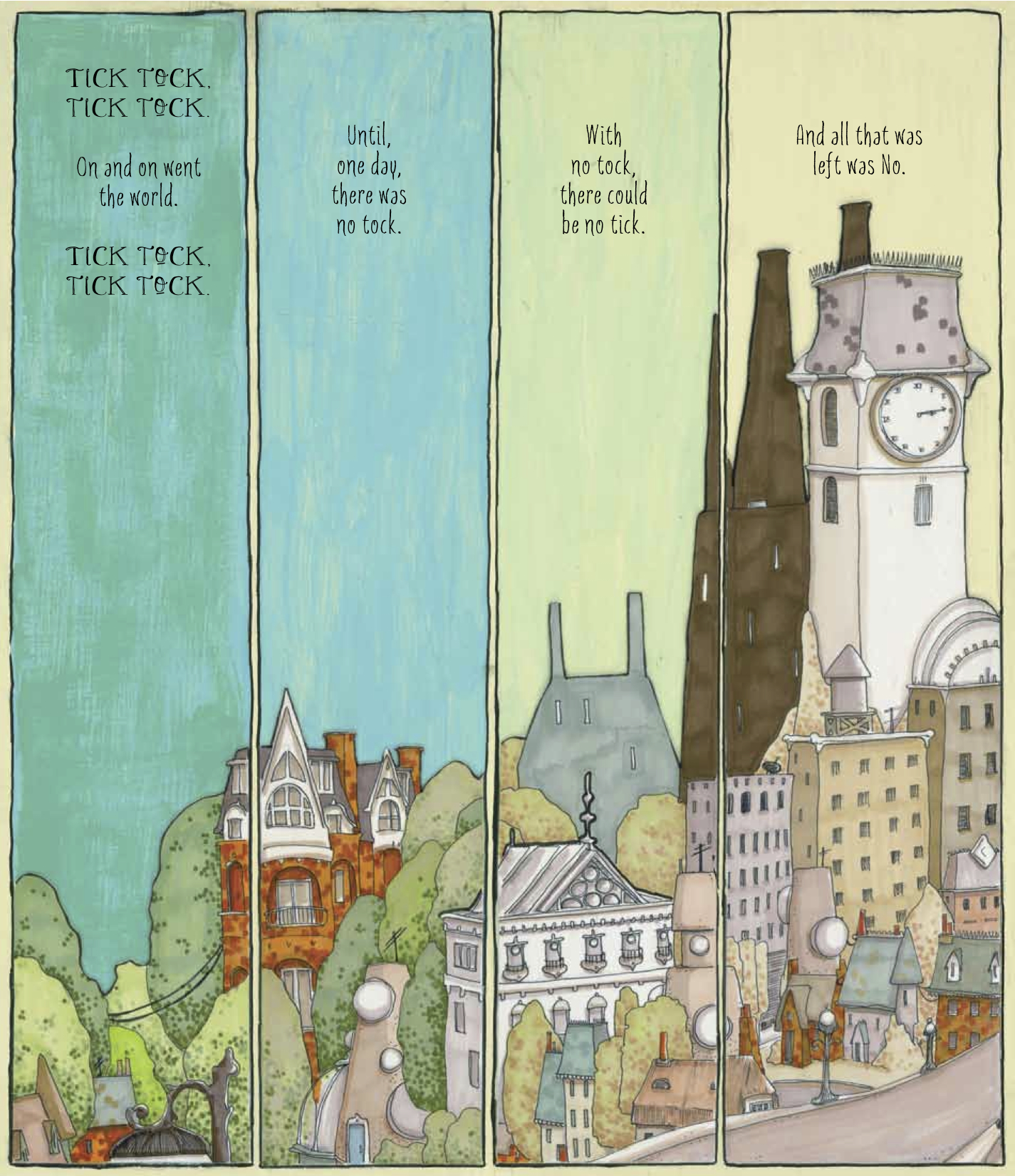
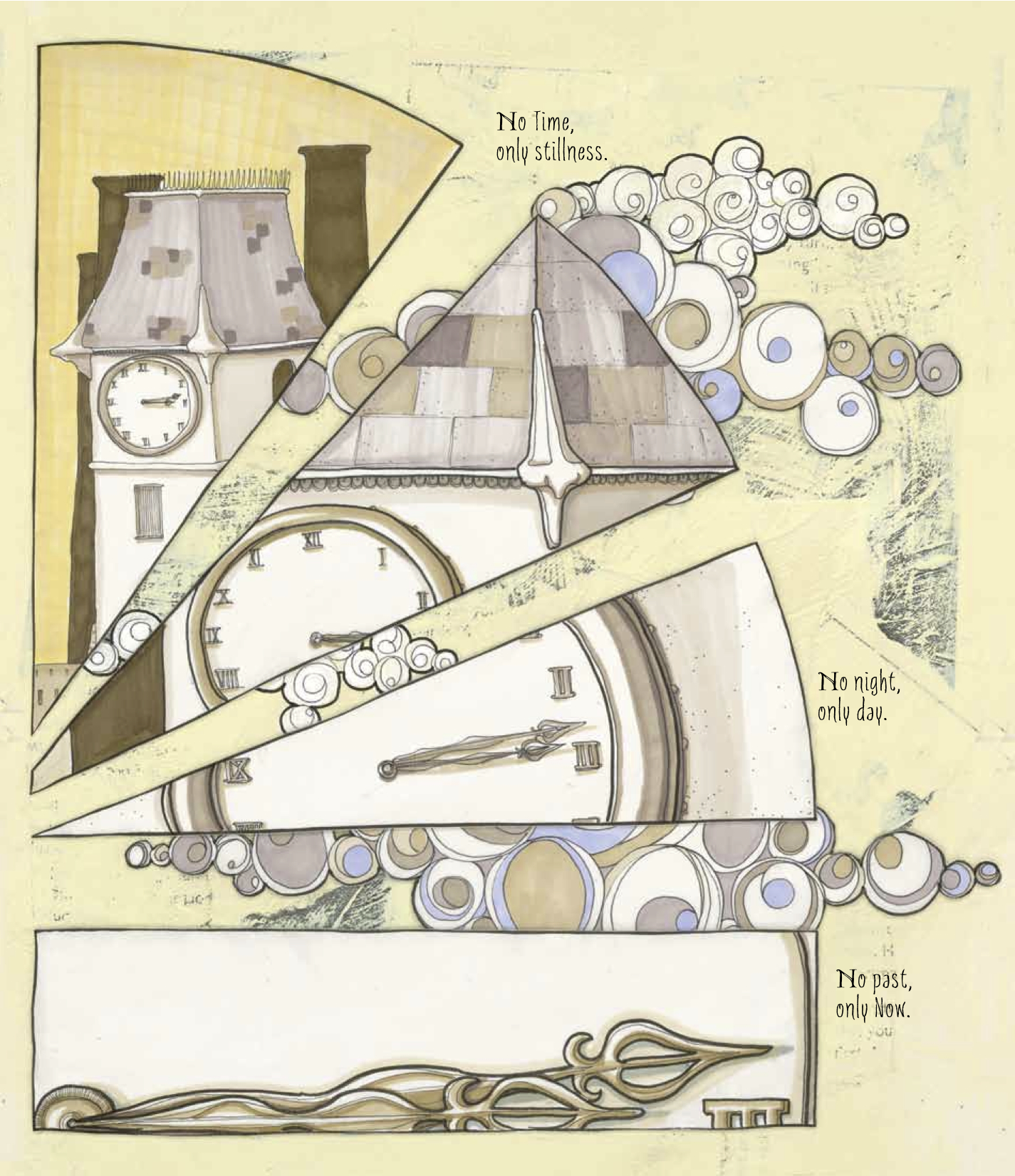
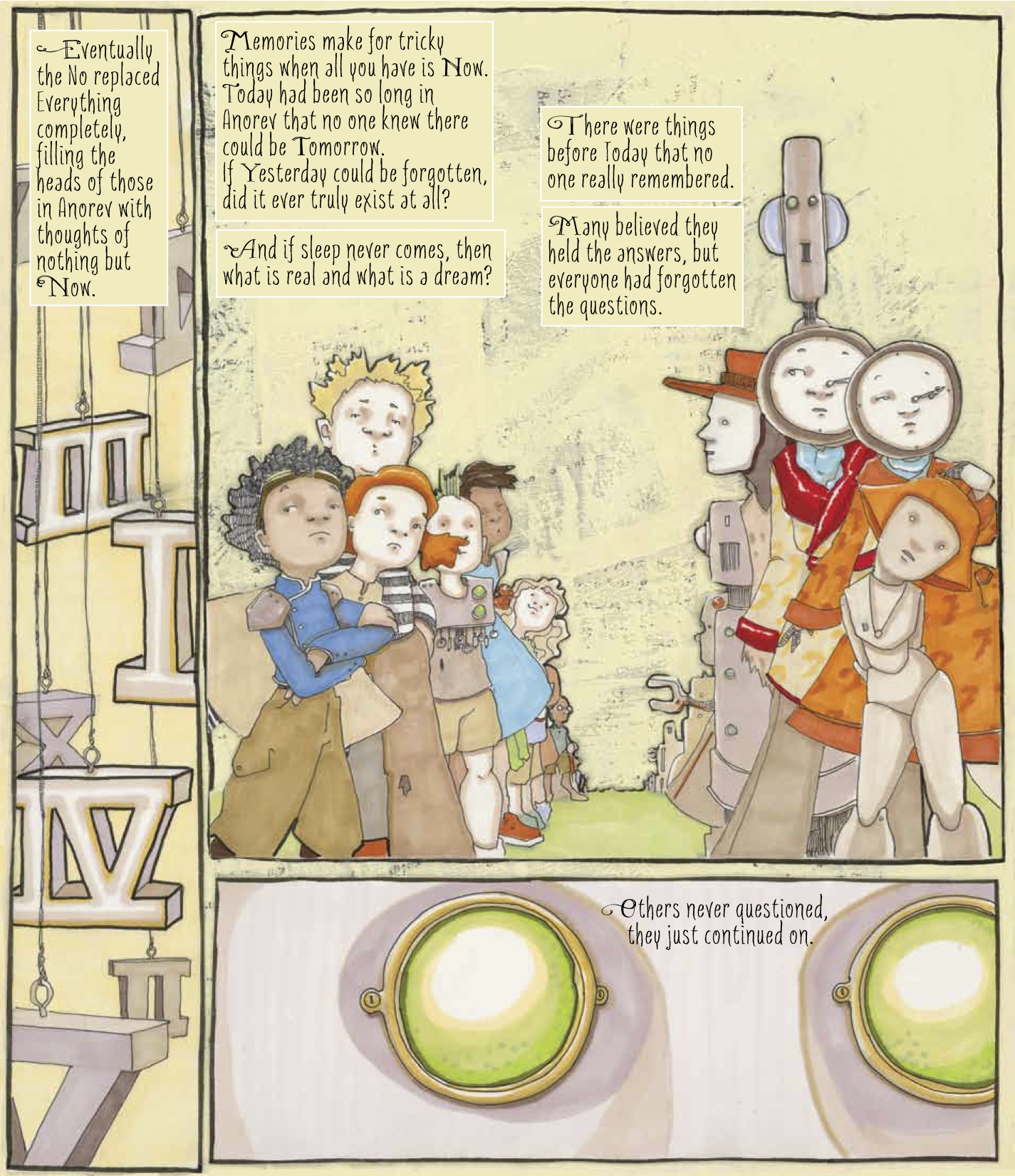
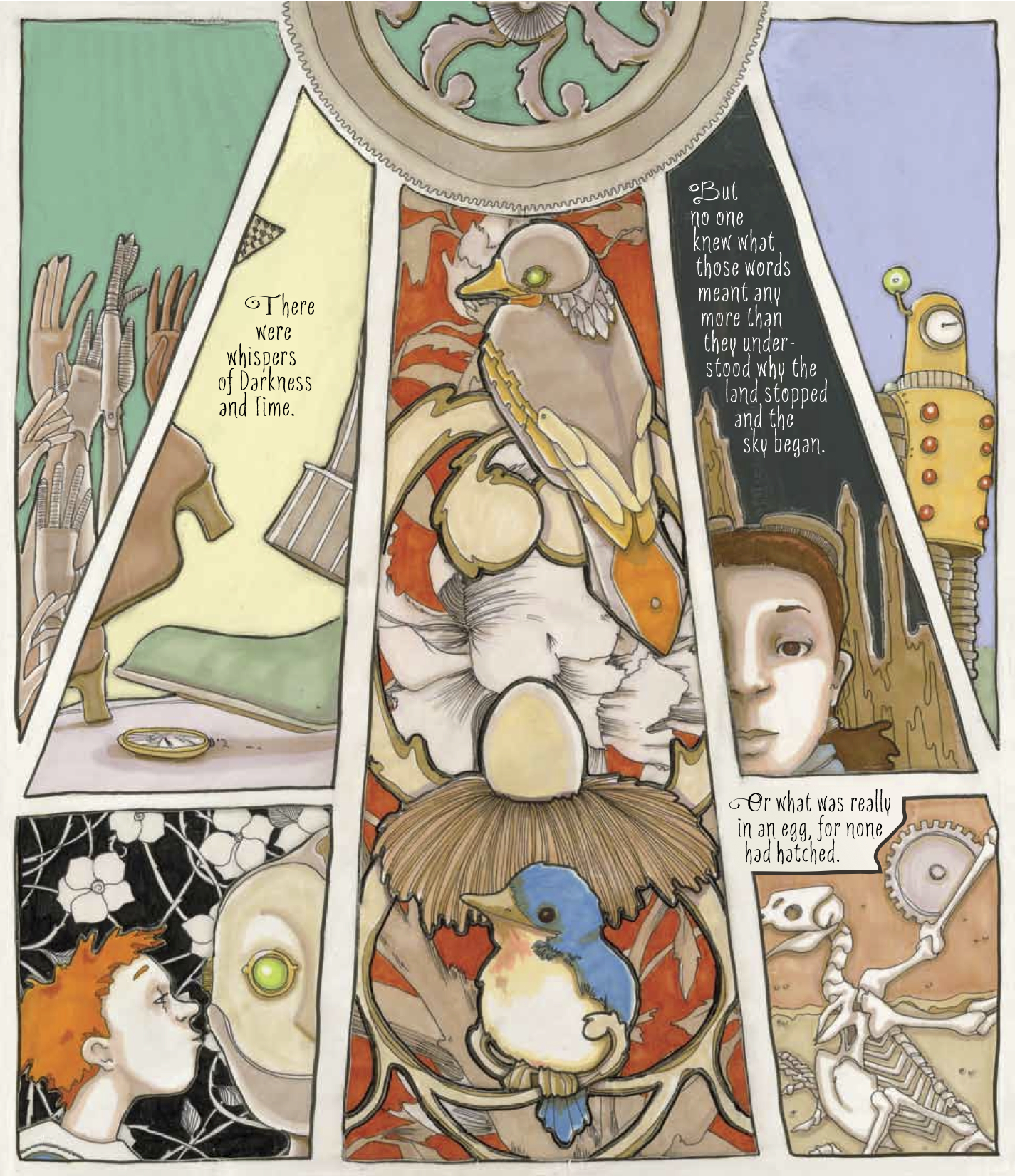
A group of men in sartorial elegance floating to the floor like feathers. It’s an unusual impetus for a new fantastic tale, but inspired by said image, writer Jim McCann couldn’t help himself, as he and artist Janet Lee reveal about their new original graphic novel for Archaia, Return of the Dapper Men. The book exists in a world called Anorev, a world where adults do not exist, and books are used for standing upon, not reading, or as Archaia describe it, “a tale of a world in between time, where children have played so long it’s almost become work, machines have worked so long they have begun to play, and all the clocks have stopped at the same time.”

“I’ve known Jim for about 15 years, I think,” Lee reveals. “He’s one of my closest friends. We met socially when he was still living in Nashville, worked at the same company for a while, lived less than a mile from each other. At one point, we had a mad scheme to go on Trading Spaces together. Eventually Jim sold his house in Nashville and moved to New York, but we’ve always kept in touch. He visits me when he’s in town to see his family, and I visit him when I’m in NYC.” The pair admit that it was three images in particular that set off the creative chain of events that would be the creation of these very well-dressed gents and the world in which they live. “A couple of years ago, Jim was visiting for the holidays; while in Nashville, he came to see one of my gallery shows,” Lee elaborates. “He saw three particular pieces: a six-foot-tall, Magritte-inspired image of men in bowler hats and striped suits raining over the rooftops of Paris; a tiny image of a steampunk boy with goggles; and a small illustration of a robot girl. About a month later, he sent me an email with what turned out to be the opening lines to Return of the Dapper Men and a note asking if I wanted to do an OGN. Of course, I said yes!” McCann aggress with Lee’s assessment of the project’s genesis in that it, “was born from three pieces she had created for different gallery shows but in my strange mind formed this story that I had to write. And every time she’d send me a sketch or I’d come across a doodle, more story would spring to mind. It’s truly a collaborative process, inspiring each other.” The writer also admits that in a broader sense, he finds inspiration in many corners of the world. “I love fairy tales and the fantastical. Anything that transports you away from the cabs and crowds and bills or changing cat litter, the things we all do or deal with as part of daily life. I want to remind myself (and others) of that overwhelming sense of wonder you feel when you see something new and exciting for the first time. In approaching Return of the Dapper Men, I looked back at my own youth and the worlds I would create with action figures or on paper or acted out in my backyard with an imaginary legion of characters. I thought about the feelings I had when I first saw Empire Strikes Back. The first time I read Shel Silverstein aloud. Acting like a Wild Thing or building a pillow and blanket fort. And the 50th time I saw Empire Strikes Back. All of that is what I wanted to bring to this, but also the perspective of the adults that are now my peers and the man-child I sort of have become by not letting go of dreams and instead making them destiny and reality.”

A huge part of making Dapper Men a reality was finding a publisher that would understand the unique book and trust the vision of the duo behind it. Janet recalls that during a trip to New York for a trade show, she and McCann, “spent about a week hashing out the story line and character concepts. We also came up with a short list of publishers we thought would be a good fit for the book. Archaia was at the top of that list. Later that year at San Diego Comic-Con, Jim pitched Return of the Dapper Men to Mark Smylie [Archaia’s Chief Creative Officer] and Stephen Christy [Archaia’s Editor-In-Chief], and the rest is history!”

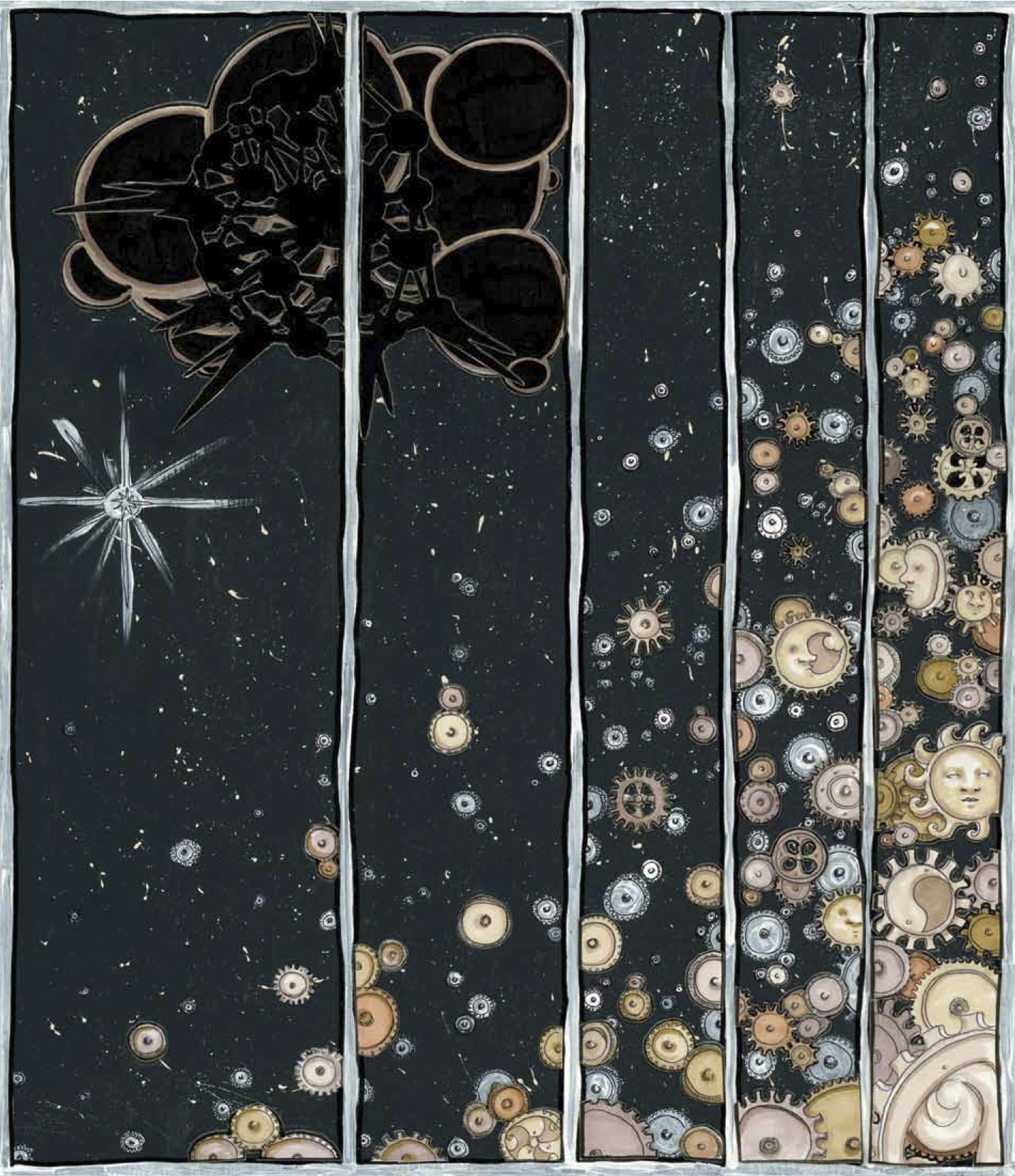
Speaking of history, creating the background for Anorev and its uniquely enchanting world was one of the first challenges for the tale. “I remember our early discussions as being the time where we really fleshed out the world of Anorev,” Lee recalls. “What did it look like where the robots lived, where the children lived? What did the children and robots look like; what did they wear? I spent a week in New York making character sketches and bouncing ideas off Jim. Initially, my thought was that the city would look a lot like my neighborhood in Nashville, which is filled with Victorian and Craftsman-style homes, lots of trees. We ended up with a cross between Paris and East Nashville with a fairy-land of gears beneath the streets for the children to play in.”

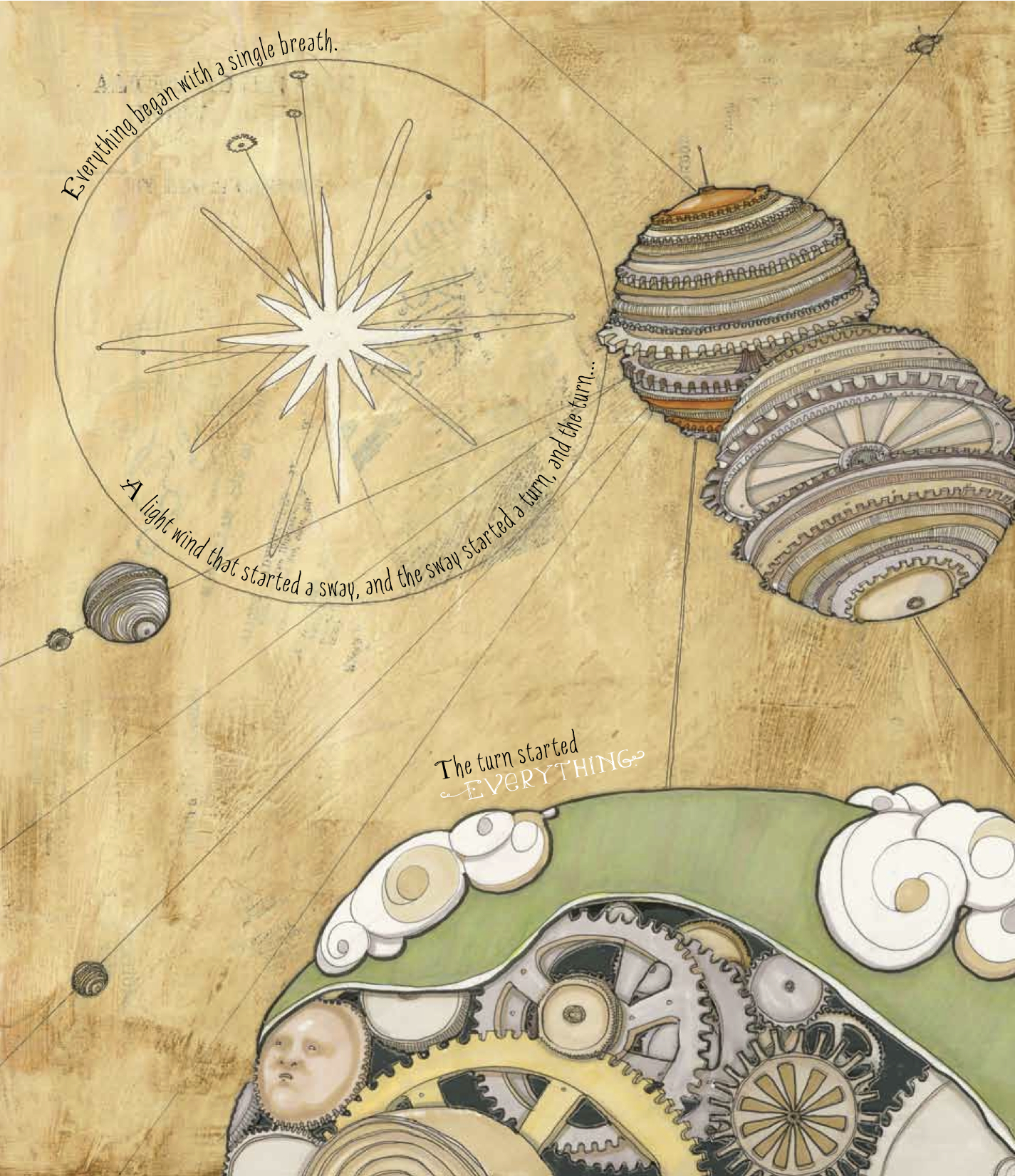
McCann mentions that the scope of Dapper Men can not necessarily be contained in one book. “It’s also large in scale in that this is actually the first in a trilogy of books. Wait until you see what’s planned for the future.” He describes the tale as, “both incredibly large and universal in scope, and at the same time a very personal and microscopic story. At its center, there are three main characters and their actions determine their fates, and also the fate of the world even though two of them don’t know it. It deals with larger themes of clockwork universe and some theology if you dig deep enough, but then if you just read it as a story with no analysis, it’s a tale about kids not wanting to go to bed (for the first time in as long as any of them can remember) for fear of change. But without sleep, you can’t dream, and without growing up, there is no such thing as destiny. It’s about discovering that, and learning that first step of growing up and embracing what you are meant to become.” Within this steampunk/fantasy/sci-fi realm exists Ayden, the sole boy to possess curiosity, a cherished robot girl named Zoe and a Dapper Man referred to as 41. These three must discover why time has frozen and come to grips with who they truly are in their world. The aforementioned 41 is just one of the many Dapper Men who fall upon Anorev. McCann refers to Lee as his “amazing co-creator and artist” and reveals that she “finds it large in scope when I tell her that there are 314 Dapper-Looking men raining down from the sky. She loves me for that, don’t believe otherwise.”

As an artist Lee’s hands on collage approach couldn’t be more different from the slick renderings most comics readers are accustomed to, but its visual approach is key to cementing the inherent dream-like nature of the book. “When Jim talked to Mark and Stephen at SDCC, he showed them images of some gallery pieces,” Lee reveals. “For the past several years, I’ve been working in a sort of “original collage” technique where I draw images on vellum, cut them out and then layer them onto wood or canvas or paper with other components (like art papers, or pages from old books). It’s a type of decoupage—very ’70s. Archaia was always completely clear that they wanted me to illustrate the pages my way using my style, so that’s the way I’ve approached it. Now that being said, I did discover pretty quickly that paper wasn’t heavy enough to support the number of layers I was using and that I wanted to build each page as a single board rather than making individual images which we’ve brought together during Photoshop layout.”

Going from the art gallery to the comic book shelves is a transition for the artist, but hopefully one that others will also continue to make as the line between art forms, whether sequential or otherwise, continues to blur. Lee reveals, “After Roy Lichtenstein, I’m not sure anyone can possibly claim that the art world at large is unfamiliar with comics. I suspect that the percentage of gallery artists who read comics is probably pretty similar to that of the general population, a little higher number amongst the forms that respond to contemporary culture, a little fewer amongst the more traditional forms. That last part’s a guess, but comics are so pervasive now, anyone relating to pop culture must be aware. Lee continues, “In some cases, it’s probably true [that gallery artists don’t recognize or value sequential art] but heck, the oil painters look down at people working in acrylics. Old-school painters wouldn’t even draw their own figures, but would call in “draftsmen” to take care of that chore. My first teacher wouldn’t let me sketch out a piece on canvas with a pencil, but insisted we only use a brush and paint. In any type of artistic venture, people seem to want to classify something as “better or worse.” The trick is in realizing that all true artistic merit comes from how effectively the artist communicates with his/her audience.”

Considering this is Lee’s first foray from the gallery to the comic shop, the artist admits that she’s, “never been a “normal” gallery artist, and I’ve always been a huge comics geek, so in a sense it’s been surprisingly easy. I’ve been experimenting for a while with things like sequential portraits where I incorporate images and stories of the person’s life into their portrait. I’ve also played a bit with things like “sequential shows” where the individual pieces tell a story as you walk through the gallery. I find art to be a narrative medium, but it’s all well and good to produce a limited series of related images, and another thing entirely to phrase them on page after page in a way that’s interesting and supports the narrative. In that sense, the learning curve has been incredibly steep. I read just about every sequential book I can get my hands on to get ideas and, hopefully, become better.” The key to any good comic is a good collaboration, as Lee freely admits. “Fortunately, Jim has a great way of letting me know (kindly) when something sucks, and letting me bounce ideas off him. That’s one of my favorite things, so far, about sequential art: it’s wonderfully collaborative. The team works together to build something that’s better than the sum of its parts.”

McCann is not new to the process of working with other creative types however. Originally working as a script writer on the popular ABC drama One Life To Live, he moved to New York in 2004 and soon stared working for Marvel in their PR department before gradually writing their characters in stories such as Dazzler and New Avengers: The Reunion, featuring archer Hawkeye and the recently resurrected Mockingbird, two former Avengers team-mates and their life and death love life.

“The amazing thing about Marvel,” he reveals, “is that they always knew I wanted to write, and when it came time for that to happen, they helped me make that happen. I’d written for the stage and TV, and am a massive comic book fan, so it came as no surprise that the writer in me would finally say, “OK, time to get to work on THIS part of my life.” McCann has not left Marvel behind completely though, as his writing chores on crime-fighting lovers Hawkeye and Mockingbird prove, as does his new relaunch of Alpha Flight, focused on Canada’s foremost superhero team. “I love the Marvel offices and miss being a part of it. Fortunately, I am local, so I can pop over any time,” McCann mentions. “That said, I still miss being on the super-duper inside track. However, that has freed me up to explore and really work out my writing more than I imagined.” McCann is also aware that sitting behind the keyboard means, “I have more time to write, which means I HAVE to write! This is my source of income and it’s also what I’ve said I’ve wanted to do for all my life, literally. So, time to DO it.”

McCann’s scripts dedicated to long-time lovers with a generous dose of superhero action in the monthly series Hawkeye and Mockingbird are a great delight to fans of adventure and the scribe reveals that, “it was originally pitched as the Mr. and Mrs. Smith of the Marvel U, but I recently discovered the incredible show Burn Notice, which I watch faithfully now. The characters of Hawkeye and Mockingbird have a very human aspect as well, and for that I look to Nick and Nora Charles (of The Thin Man), Spencer Tracy and Katharine Hepburn, and many other classic film pairings.”

With his TV past and current comic book scripting there’s not necessarily a lot of difference in the approach to scripting for the writer. “Not really in the form of storytelling; they are both serialized mediums, dealing with years of continuity and existing characters, and have vocal fan bases. With an original graphic novel like Return of the Dapper Men, it’s more like a pilot or a film, where you put something new out there and hope people buy.”

Speaking of which Dapper Men was inspired not only by his co-creator (“Janet’s art continues to inspire me.”) but also those darker tales and fables that all good parents read to their kids, despite their darkness that some may not embrace in today’s sensitive world. “I went back and re-read the texts of Grimms, Barrie, Carroll and they all had dark overtones that have been glossed over in today’s cartoon adaptation world or pop-up book incarnations. They had real lessons there, some were deeper and hidden, something left for you to discover when you re-read them as adults. As a child, you take away one level from the story—the face value. That’s what’s become the modern way of remembering these classics. But they were intended to educate the adult as well. I love that, and I hope that Dapper can achieve something remotely close to that.”

As for his own status as a dapper men McCann reveals, ”I am the least Dapper Man you’ll meet (on the outside, at least). I’m a t-shirt and jeans (or shorts) guy. All the time. I don’t know that I have a suit…I’ll have to check,: and as for his favourite garment in his wardrobe? “There is a t-shirt two sizes too big that I’ve had for 15 years now. It’s been washed so many times that it’s like a blanket. It’s nothing special, a drab green/brown shirt. But it is my “serious writing” shirt. I always make sure it’s washed and if I’m wearing it, then it means I am in the zone or have a deadline. I only wear it when writing (but not every time I write) and I can’t imagine ever getting rid of it.”

One man who knows a thing or two about sartorial elegance is a certain Tony Stark, and the man who plays him on the big screen. McCann met the stylish man himself at Comic Con and relates an awkward tale about the encounter, though he does admit that when it comes to conventions, “I see something new and funny at every one of them. Personally, my most embarrassing moment was when I almost pushed Robert Downey Jr. in a pool at a party in SDCC trying to get to Katee Sackhoff and Joss Whedon to introduce them to each other (they had not met yet). I jumped over a stanchion at the corner of the pool and there he was—RDJ! I stammered out, “So sorry, Mr. Downey Junior!” and kept running.”

The 4 part Widow Maker storyline begins in December and runs through both Black Widow #9-10, written by Duane Swierczynski and Hawkeye and Mockingbird #7-8, written by McCann.

The luscious Return of the Dapper Men hardcover is out now from Archaia, containing 120 pages of whimsy, fantasy and very well-dressed gentlemen, as well as introduction from fashion guru Tim Gunn and a diverse and dazzling gallery from some of the industry’s best artists.


Extra Sequential #4

It’s a long story. Actually, it’s not that long. Late in 2008 myself and Dave Lapsley, a mate from work decided to start an on-line magazine because we wanted a creative project to do together. Dave’s not a fanboy like me, but he does have an eye for good art and is a whiz with Adobe software.

We called the mag Extra Sequential and created our first issue mostly during our one hour lunch breaks from work. After 3 issues in 7 months, we helped an international comics publisher with the new mag they were launching. It was fun and a great opportunity. It did happen but in a different way than we expected.

Nevertheless we were happy we got those 3 issues out there and achieved Rising Star status on Issuu and over 17 000 subscribers on Scribd. We did look into self publishing, but working in a company facing downsizing meant it wasn’t a wise move.

We then received interest from another publisher and well, “circumstances beyond our control,” and all that, so 2 strikes was enough for us.

A lot has happened in the 18 months since we started the mag. Dave and no longer have the benefit of working at the same place, and we live 2 hours apart, so there won’t be any more issues of Extra Sequential. This is the last one, and it comes with a note: it ain’t perfect. Think of it as a Raw Edition. A collection of articles and interviews that were destined for print, some of these pages are unfinished, but not many. To be honest, our motivation to see this issue to its final version is pretty much non-existent, after a year of false starts into print. However, it’d be a shame to at least not put it online, so here it is.

Dave and I hope you enjoy it. Yes, some of the interviews are dated, but it’s certainly a nice way to say goodbye. We believe there’s still a place for an accessible, arty mag that reveals to the curious, and the dedicated reader, how awesome comics can be.

I still write for Broken Frontier and am a co-host of a new, weekly Extra Sequential podcast so I’m not, and probably never will be, out of the talking about comics “profession” though and I do recall fondly the hours and hours of creating Extra Sequential.

You can read our final issue below or here. Thanks for reading!

View this document on Scribd

Patrick Meaney Interview

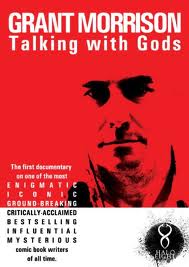
My interview with Patrick Meaney is now up at Broken Frontier. Meaney is the director of the upcoming documentary focused on Scottish comics writer Grant Morrison. Entitled Talking With Gods the film is out on October 25. For comics fans, this will certainly be a good film to watch.

Great Comics Journo Interview

I can’t really say that I consider myself a journalist of any description, but I have been doing this whole comic book journo/internetery thing for 3 years now and have done over 120 interviews. Only in the wonderful medium of comics could I, and the multitude of fellow fan/reviewers/interviewers/bloggers out there in the geekosphere, have such an opportunity. So it was of great interest that I found this insightful interview with long-time and proper journalist Vaneta Rogers over at CBR. Here are my favourite quotes from the piece:

Rogers: I’m still amazed the term “comics journalism” even exists. I mean, can you believe how much news we get about comics? Outside sports, which has a much, much, MUCH larger audience, I can think of no other hobby that has so much constant news for its fandom. And such a demanding audience! Reviews, interviews, columns, opinions, blogs, instant convention news … and a lot of it is really high-quality stuff.

Don’t get me wrong — I’m glad we are so demanding. It’s why I have a job. And I am constantly trying to do better, because I’m demanding of myself. But if you step back and think about it, the fact that a few hundred-thousand fans of comics get this much attention is astounding. As an audience, we obviously have a lot of power and know how to wield it.

…There needs to be more genres represented. I think everyone knows that. I’m an avid book reader, and I like tons of different types of stories. But in comic books, my genre choices are limited. Yes, there are spy comics. But there could be more. More thrillers. More detective stories. More romance. More comedy. More sci-fi.

The perfect illustration of the genre problem is that hundreds of thousands of bookstore visitors recently bought theTwilight graphic novel, but not one comic book publisher could market another paranormal romance comic in a display right next to it. Yet that’s one of the fastest-growing genres in publishing today.

As for what we need “less of”? Repetition. This is a creative industry, right? Everyone working in comics should strive for originality, whether it’s in publishing schedules, sales goals, event planning, story approach, or distribution. I know people react negatively to change, but we have to reject the fear and try it anyway. Try. Something. New. Please. Not. What. You. Did. Before.

Yep. Great stuff.

Sonny Liew Interview

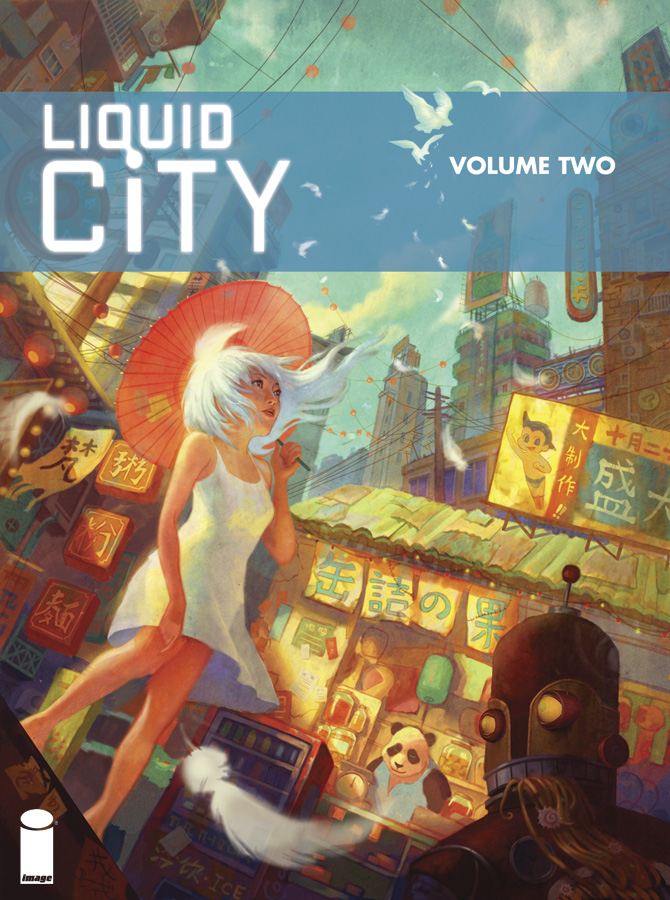
My interview with the editor of the second Liquid City anthology is up now at Broken Frontier right here. Sonny Liew is the man behind Image’s anthology which is an original collection of short tales from talented Southeast Asian creators. While you’re there, check out BF’s latest issue of The Frontiersman magazine. It’s free and has features on Return of the Dapper Men, Green Lantern Guy Gardner and much more.

Apocalyptic Kevin Conroy Interview

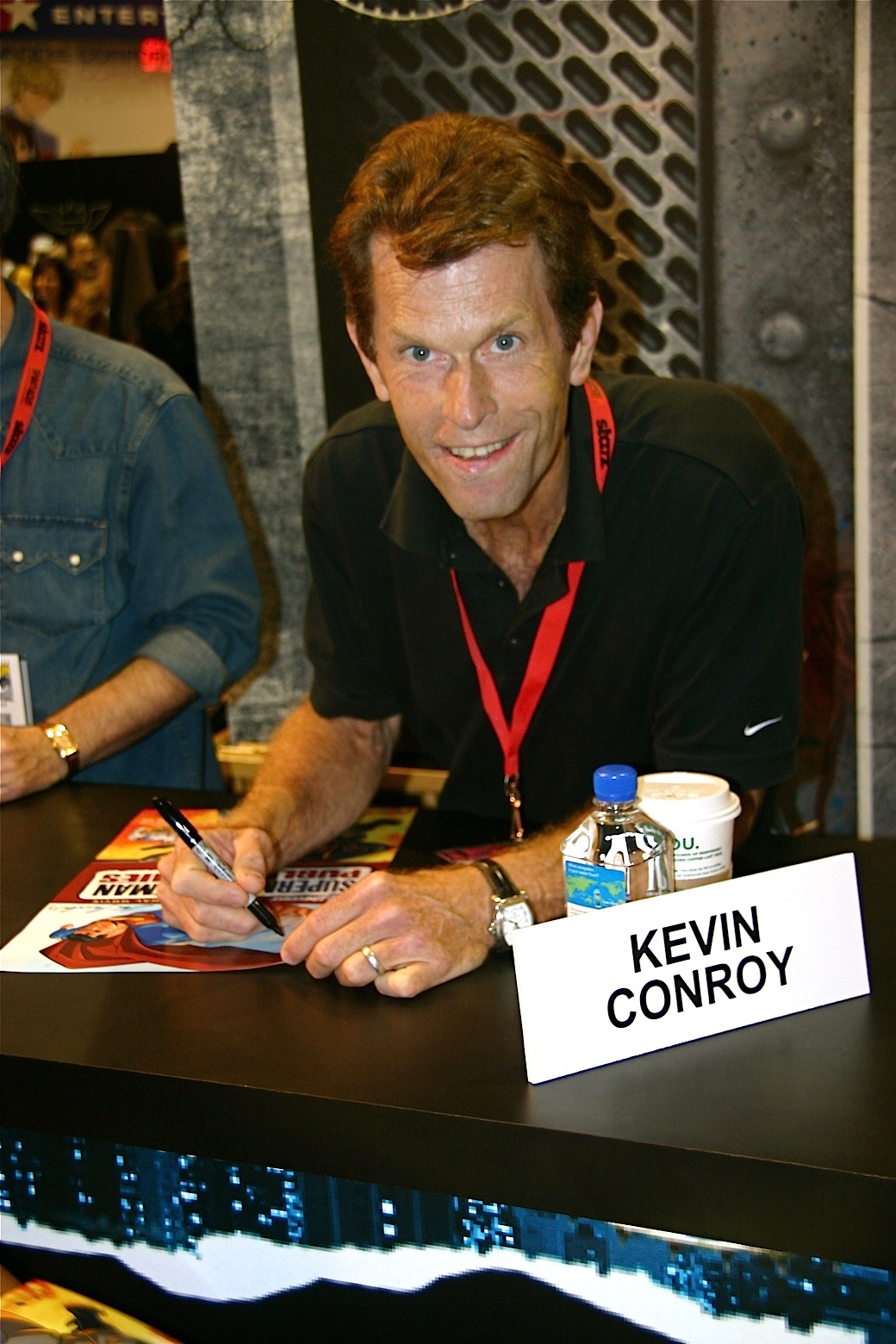
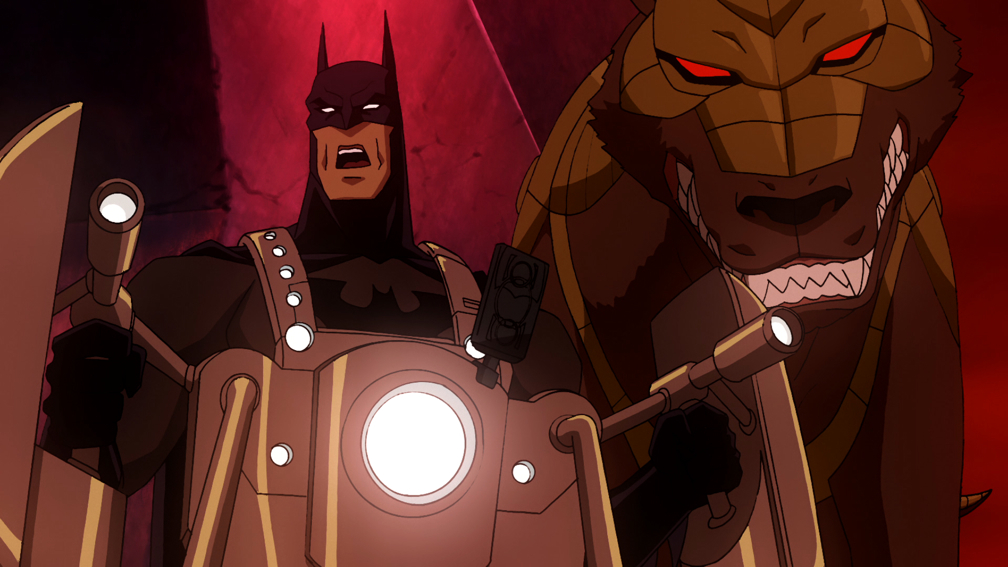
Here’s a new interview with famed voice-over artist Kevin Conroy who’s getting lots of work as Batman these days, whom he played in the great ’90s Batman: The Animated Series. Here he talks about the role, free coffee, homeless people and Robin Williams.

KEVIN CONROY RETURNS TO SEMINAL ROLE

AS THE DARK KNIGHT IN SUPERMAN/BATMAN: APOCALYPSE

“DESTINATION APOCALYPSE” ONLINE PROMOTION LIVE TODAY
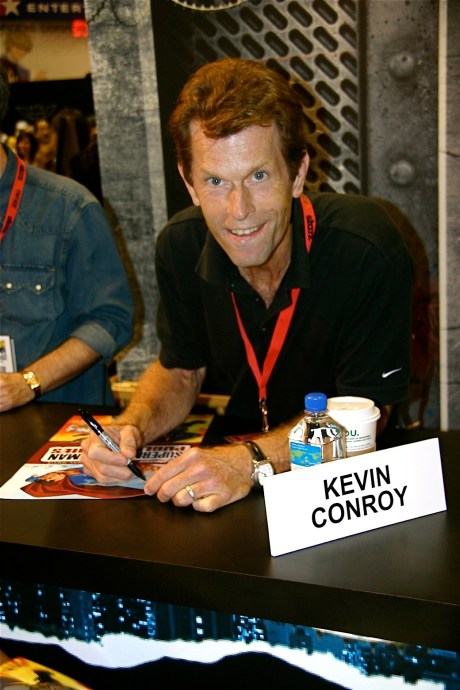
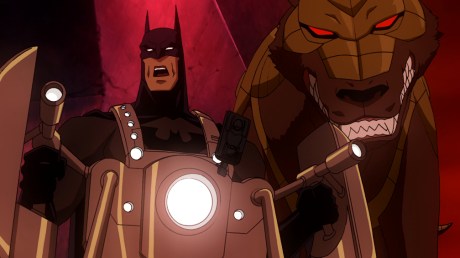
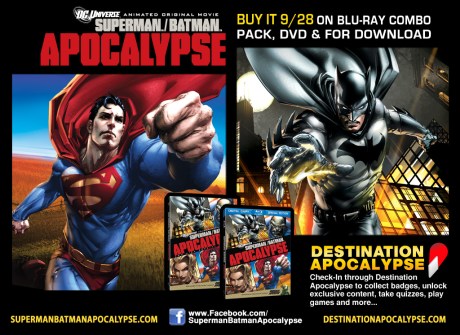
That loud sound you hear in the distance is the echo of fanboys cheering the return of Kevin Conroy to his benchmark role as the voice of the Dark Knight for the highly-anticipated Superman/Batman: Apocalypse, the ninth entry in the popular, ongoing series of DC Universe Animated Original PG-13 Movies coming September 28, 2010 from Warner Premiere, DC Entertainment, Warner Bros. Animation and Warner Home Video.

Conroy, the voice behind the title character of the landmark Batman: The Animated Series, set a standard that has yet to be contested over the past 20 years. Conroy had already been seen on soap operas and television series like Dynasty and Tour of Duty when he aced his first audition for an animated voiceover role in 1991 – earning the title character role for Batman: The Animated Series. It was a casting decision that sounds as good today as it did back then.

Conroy will share that voice in person as the featured guest when Warner Home Video, UGO.com and The Paley Center for Media proudly present the East Coast premiere of Superman/Batman: Apocalypse in New York on September 23. The West Coast premiere will be hosted in Los Angeles on September 21.

The bi-coastal premieres are just part of the ongoing festivities in conjunction with the release of the film. Included in the activities is “Destination Apocalypse,” an interactive online promotion that allows fans to get even deeper into the mythology of Superman/Batman: Apocalypse.  Fans can access “Destination Apocalypse” at http://DestinationApocalypse.com and explore the many sections including games, quizzes and information about film. Fans can even send Kryptonian messages to their Facebook friends.  In each section, participants virtually “check in” and earn badges to unlock an exclusive video clip from the movie.  In addition, earning badges for participating in the various activities in each section help to unlock exclusive movie poster downloads.

Conway helps lead a Superman/Batman: Apocalypse cast that includes fan favorite Tim Daly (Private Practice) as Superman, as well as Andre Braugher (Men of a Certain Age) as the daunting Darkseid, sci-fi heroine Summer Glau (Serenity/Firefly; Terminator: The Sarah Connor Chronicles), and multi-Emmy Award winner Ed Asner (Up) as Granny Goodness.

Based on the DC Comics series/graphic novel “Superman/Batman: Supergirl” by Jeph Loeb, Michael Turner & Peter Steigerwald, Superman/Batman: Apocalypse is produced by animation legend Bruce Timm and directed by Lauren Montgomery (Justice League: Crisis on Two Earths) from a script by Academy Award-nominated screenwriter Tab Murphy (Gorillas in the Mist).

Conroy will speak quite a bit during pre-premiere interviews and a post-premiere panel discussion on September 23. But for those fans who can’t attend the sold-out event, here’s some thoughts the actor offered after a recent recording session.

QUESTION: Superman/Batman: Apocalypse features a foe powerful enough to require more than just one super hero to step to the plate. Can you speak to the importance of a great villain?

KEVIN CONROY: Well, the major villain is Darkseid, and he is very apocalyptic. You know, it’s in the title (he laughs). The bigger the villain, the greater the conflict – so as Darkseid is this epic-sized villain, it gives a lot of dynamic for Batman and Superman to work off, and creates that much more drama. Which means lots of action. And, of course, Batman saves the world … as usual.  What would you expect?  (he laughs)

QUESTION: Do you have a preference for the type of story that goes with Batman?

KEVIN CONROY: What makes Batman interesting to audiences isn’t just the fact of the personal drama, or the darkness of his having a secret identity, or his avenging his parents’ death.  All of that personal drama makes him appealing to people.  But I think of all the super heroes, what sets him apart is that he’s the only one that doesn’t have any superpowers.  He is the great detective. So in every story, it always comes down to his using his wits.  I think everyone relates to that and loves that about him. I really admire that aspect of his character – I wish I was wittier. That’s why I think audiences get into him so much, and that character trait is very important to this story.

QUESTION: Batman is a basically a loner. What are your thoughts about his lone wolf approach, and how that works in a “buddy” adventure like the Superman/Batman films?

KEVIN CONROY: Batman’s isolation and his singularity, his inability to really let other people into his personal world, is really essential to the character. It’s part of what audiences expect. Even in a series like Justice League, where he was one of seven super heroes, Batman was always the odd man out.  The others would go off as a group to do something – you know, they might go have pizza – and Batman was always the guy left back in the cave.

So in these Superman stories, I think it’s the closest Batman gets to having a brother, a kindred spirit.  Superman understands Batman.  He understands his need to be alone and his isolation. He’s probably the only one of all the super heroes who can balance Batman in terms of wit and power, so they’re a very good balance for each other.
QUESTION: How does Batman see Superman?

KEVIN CONROY: I think Batman thinks of Superman as the Dudley Do-Right of super heroes.  He admires his strength and his character, but he also he thinks he’s incredibly naïve and very unsophisticated about the world.  Remember, Batman is also Bruce Wayne, so he’s very urbane.  He’s very versed in the way of the world.  And Superman is Clark Kent, and he’s such a goof  (he laughs). So it’s almost all about the alter-ego – the darkness of Batman’s Bruce Wayne is balanced out by the sunny demeanor of Superman’s Clark Kent. That’s where I think the distinction is.  Batman just thinks that Superman is kind of a very, very naïve guy who always sees the goodness in everybody.  And Batman tends to see the darkness.

QUESTION: You attended Comic-Con International in San Diego last year for the first time in six years. How did that experience impact you?

KEVIN CONROY: The experience with the fans always re-energizes me for Batman.  I’ve always been really into meeting and interacting with the fans.  I understand why a lot of actors don’t like to do that because it can be very invasive of your private life.  But I’m just so appreciative because I figure I wouldn’t have a job if it wasn’t for them.  Also, my background is the theatre, and the fun of doing theatre is the interaction with the audience, the feedback you get every night. You just don’t get that in Hollywood.  You don’t get that with television or film, and you certainly don’t get it working in animation. So the only place you get it is to go to places like the Cons.

Plus, you get funny perks. I went to a Starbucks in downtown San Diego, and they said, “Oh, Mr. Conroy, you don’t pay for coffee today.”  (he laughs) I thought, well, that hasn’t happened in a long time.

QUESTION: Away from the Cons, how often are you recognized?

KEVIN CONROY: It happens in some unusual places. A number of years ago, I was in the Hollywood Post Office parking lot. I left everything in the car, because I was just going straight to the mail drop with the envelope. This guy, who was sitting on the curb, obviously homeless, says to me “Hey, buddy, have you got a quarter?”  And I said, “I’m so sorry. I literally don’t.  I have nothing.”  He said, “You’re Kevin Conroy!” I got really nervous – you just assume that your job is anonymous working on animation, so I asked him how he knew that and he said, “Oh, everybody knows who’s Batman.”  I said, “No, believe me, everyone doesn’t know who’s Batman.”  He said, “Oh, please–please–please–please do the voice.”  He said, “Just say it … I am vengeance.”  He knew the lines.  I said, “I am vengeance.”  He said, “Oh, my God.  Batman’s here! Batman’s here!”  He said, “Say it:  I am the night.”  I said, “I am the night.”  He said, “Go! Go! Finish! Finish!” And I said “I am Batman!” So the two of us are there screaming “I am Batman!” in the parking lot, and he started clapping and clapping, yelling “I can’t believe I have Batman in the parking lot.”

He went on to explain to me that all television monitors at the Circuit City on Hollywood Blvd. showed Batman every day, and he would stand outside and watch the show. So I said, “Wait, just a second,” and I went running back to the car for some cash. He said, “Oh, I can’t take Batman’s money.”  I told him he was going to take Batman’s money so he wouldn’t tell anyone that Batman is cheap (he laughs).  That whole scene was wild,  though – the last place you’d expect for someone to recognize a voice actor is in the parking lot of the post office.

QUESTION: You’re a classically trained actor and a graduate of Juilliard. Did you receive any instruction at Julliard that prepared you for voiceover work?

KEVIN CONROY: At that time, Juilliard was the new hot place to go if you wanted to be an actor, My classmates were people like Robin Williams, Kelsey Grammer, Frannie Conroy. We were all kids.  Robin and I were roommates for two years, stealing food from each other when the other wasn’t looking. We were starving students.

Robin was brilliant at the one thing that is perhaps what best prepared me for what I do now, voicework.  There was a famous teacher named Pierre LeFevre who ran the mask program at Juilliard.  French masks conceal just the upper part of the face. This is classical French theatre, and it’s all part of a very classical education. You put on these masks and they completely neutralize who you are. You become a different person. You can’t use the expressions on your face – you can only use your body and your voice. Robin lived in those mask classes – he would put on these masks and just become these unbelievable characters. Pierre practically adopted Robin. There was some really inspired stuff going on.  The point is that in that class, all you could use was your voice.  It really made you focus on that – especially on characterization in your voice.

QUESTION: Did you have any clue that would lead you somewhere?

KEVIN CONROY: It’s like that old expression – life is what happens to you when you’re busy making other plans.  I made all these plans to be a classical actor, and you can’t make a living in the theatre anymore.  There are no more classical actors. Everyone who survives in the theatre does it by doing TV and film … or voice work.

I had no idea that this is what I would end up doing, but it certainly prepared me for it.  I get that question a lot from people.  How do you get into this business?  How do I get into voice work?  And I always say, “Well, you go to Juilliard for four years …” (he laughs)  That’s the thing – everyone’s route is unique.

QUESTION: Did you have much voiceover success before Batman?

KEVIN CONROY: Actually, I started doing voice work in the early ’80s, and the very first voice job I did was the first commercial I auditioned for. Remember Paco Rabanne cologne?  The hook line was “What is remembered is up to you.”  That was me. And over the next couple years, it paid me $25,000 for those few words. It paid for a lot of theatre acting.
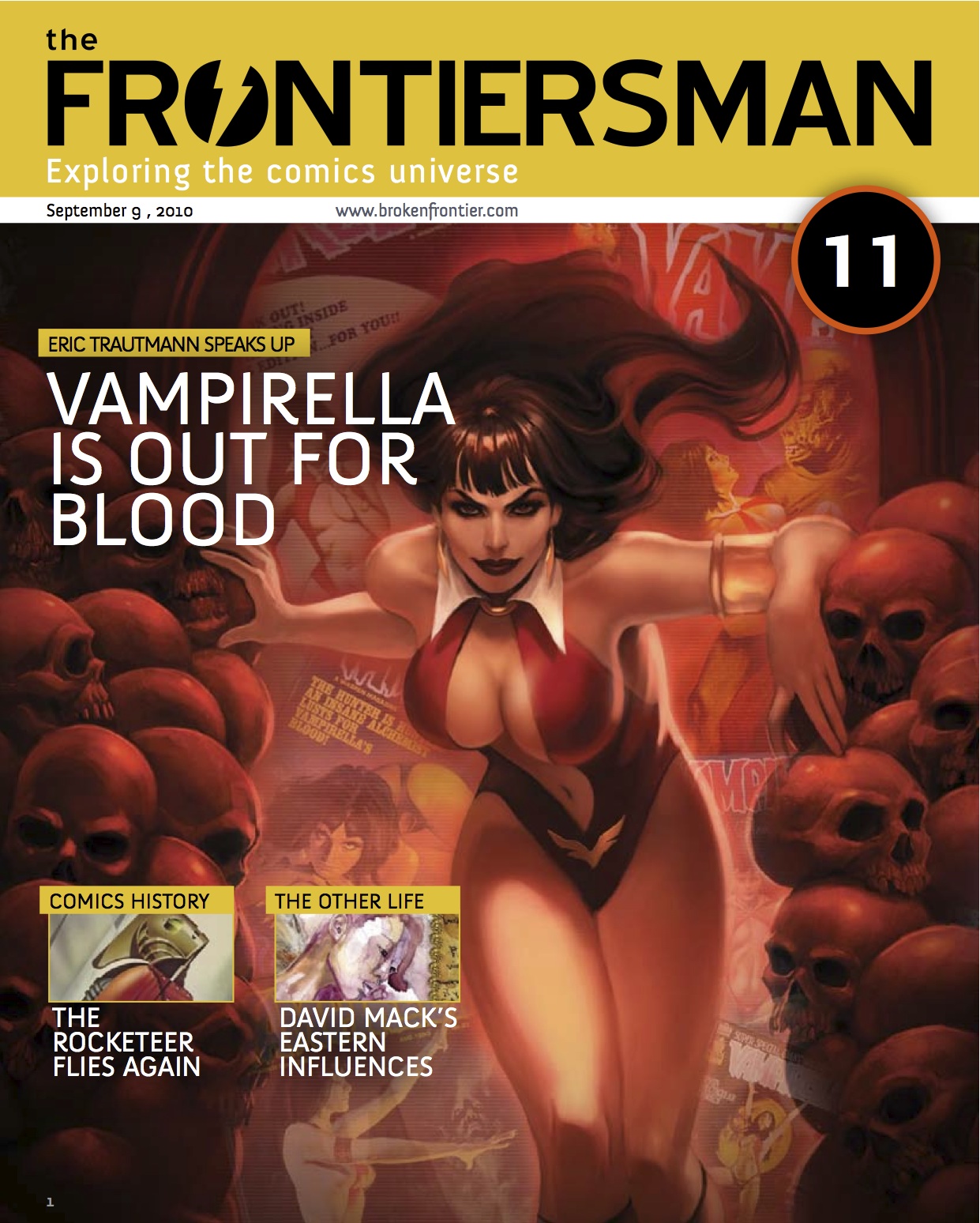
The Frontiersman #11 Now Out

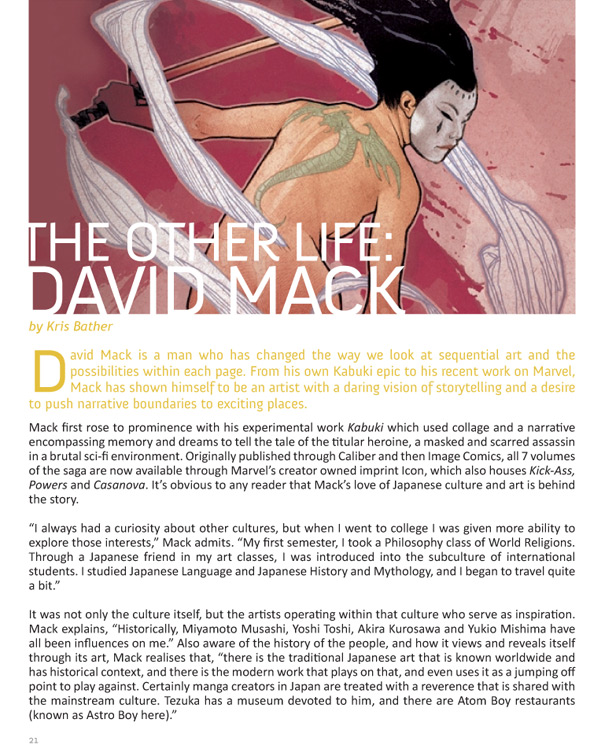
Fresh off the digital press is the latest issue of the free, fortnightly magazine from Broken Frontier. In its 41 pages you’ll find a bunch of cool stuff as usual, including a close look at classic horror character Vampirella, The Rocketeer, JMS’ great work in DC’s Brave and the Bold series and more. There’s also my interview with Kabuki and Daredevil writer/artist, and groundbreaking storyteller David Mack, and a brief intro to the exclusive 7 page preview from this month’s Liquid City Vol. 2, an anthology from Image Comics with a focus on Southeast Asian creators. Get it all right here or here if you want to read it on your iPad.

Nathan Edmondson Talks About The Light Ending

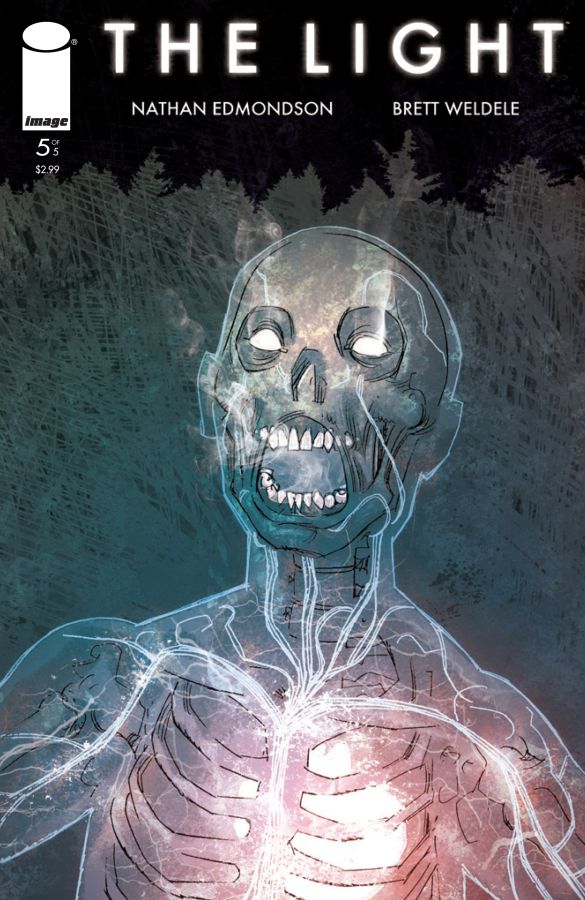
Over at Broken Frontier is my interview with writer Nathan Edmondson about his series The Light, which is one of my fave new series of the year. The 5th and final issue of the mini is out now from Image and the TPB comes out in December.

The Frontiersman #9 Now Out

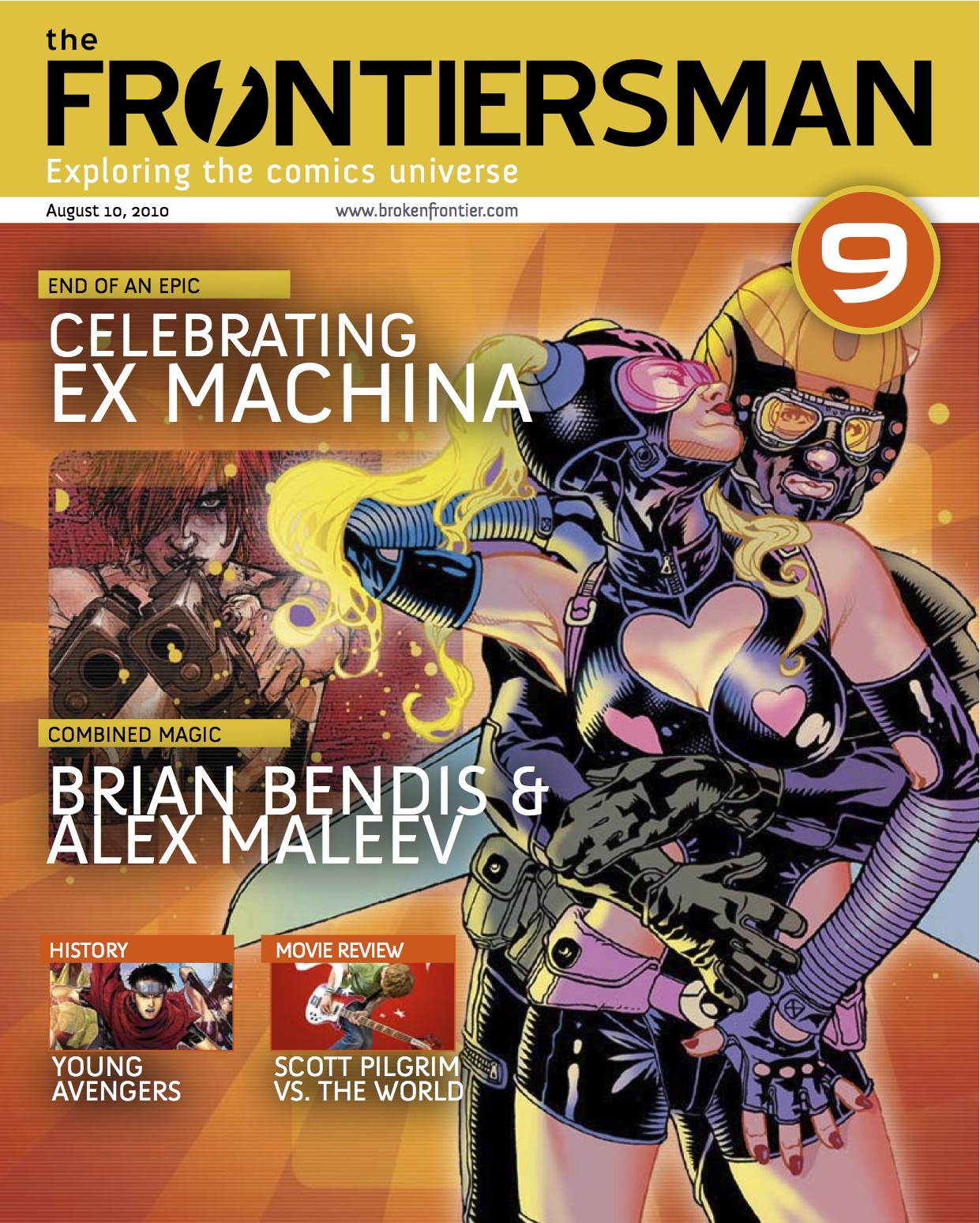
The 9th issue of the free, digital mag from Broken Frontier has now been released. In its pages you’ll find a review of Scott Pilgrim’s cinematic adventure, a look at Ex Machina, a history of the Young Avengers and much more, including my interview with Chandra Free, creator of October’s OGN The God Machine from Archaia.

Get Graphic In Sydney

The Graphic festival continues this weekend at the Sydney Opera House. Sure, they’ve had Neil Gaiman, Kevin Smith, a screening of Akira with live music by Regurgitator and Shaun Tan’s wordless The Arrival also now with music. However, there’s still plenty of good (and free) events left over the coming days, including workshops on comics and publishing. Spaces may have gone by now, but you just may get lucky. More details can be found here.

On a related note the Triple J radio station had a brief feature on Aussie comics yesterday. It goes for just under 5 minutes and you can listen a few fans and creators speak including Maus creator Art Spiegelman and my fellow West Aussie Wolfgang Bylsma from Gestalt Publishing.

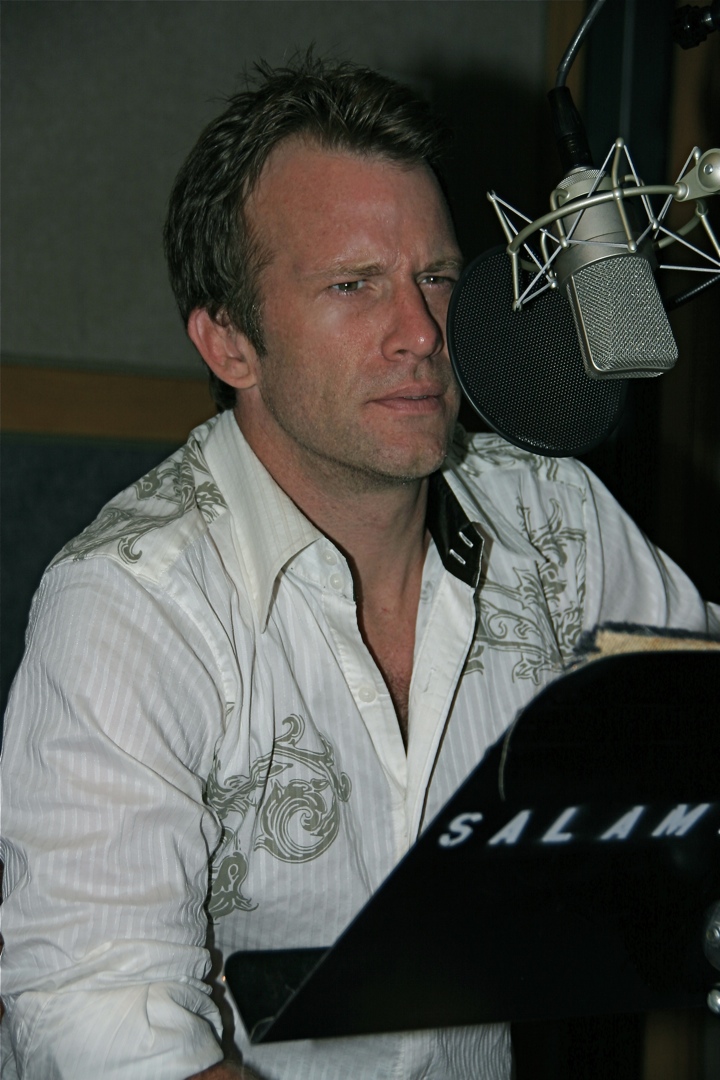
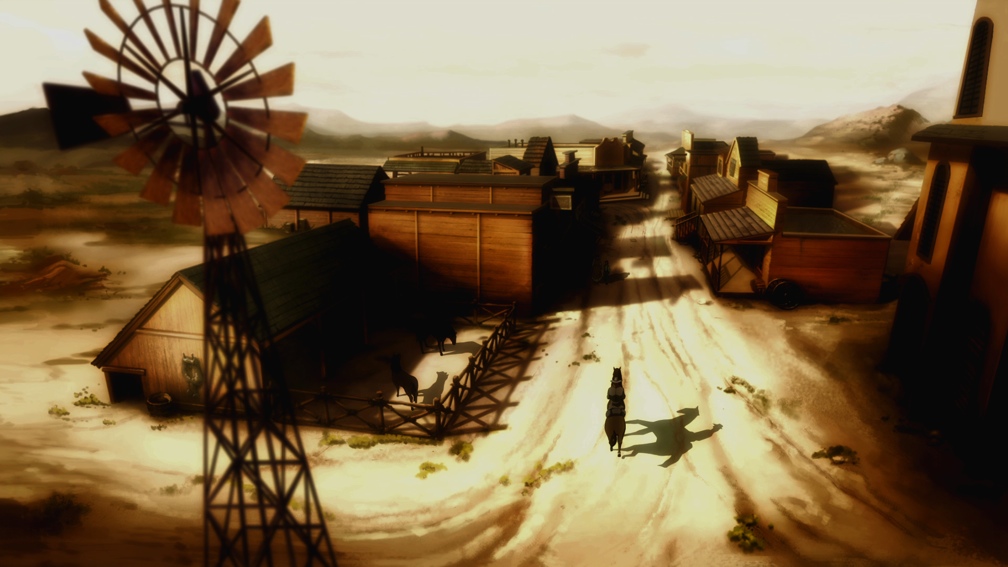
Thomas Jane Talks Jonah Hex

The actor and comic book fan was once linked to the live action Jonah Hex film. I’m sure he’s now thankful that he had nothing to do with it, as the film has received a lot of criticism from mainstream audiences, and of course comic fans due to its wild divergence from the source material. Now though Jane gets Hex-ed in the short film which now seems to be a staple of DC’s excellent animated films. Interview below with Jane, and his thoughts on directing and love for comics.

HUNG STAR THOMAS JANE FINALLY GETS HIS MAN AS JONAH HEX IN ALL-NEW DC SHOWCASE ORIGINAL SHORT

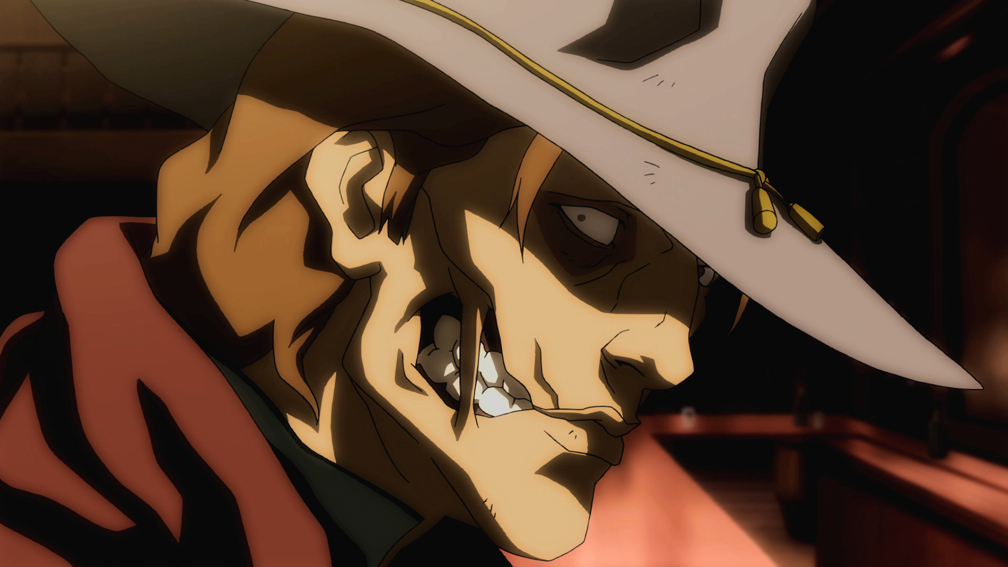
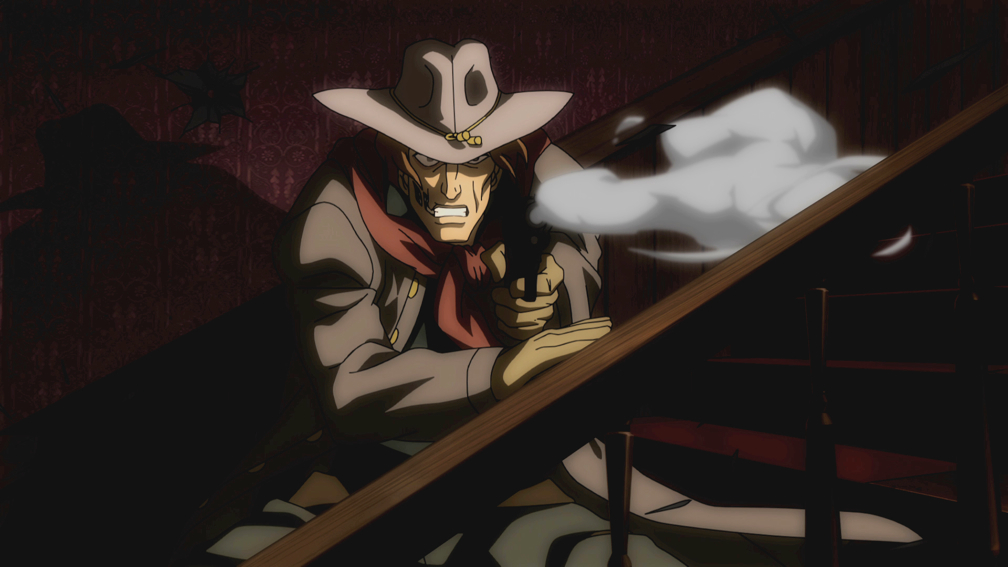
If at first you don’t succeed, take the animated role. Therein lies the lesson of Thomas Jane’s quest to play the role of comic book anti-hero Jonah Hex. The star of HBO’s popular series Hung once lobbied to play the theatrical role of Jonah Hex and, though he fell short in that attempt, Jane has found another path to the character as the disfigured cowboy’s voice in the DC Showcase Original Short, Jonah Hex.

The all-new, animated Jonah Hex appears as a companion piece on the upcoming Special Edition Blu-Ray and 2-Disc Special Edition DVD release of Batman: Under the Red Hood, the latest entry in the ongoing series of DC Universe Animated Original PG-13 Movies coming from Warner Home Video on July 27, 2010.

In the short, the tough-as-nails bounty hunter always gets his man – until someone else gets to him first. In this case it’s a murderous madam who wants to steal more than just bounty from Jonah Hex. The animated short Jonah Hex is based on a story from the award-winning comic series, and scripted by renowned author Joe Lansdale. Jane leads a voice cast that includes Linda Hamilton (The Terminator), Michelle Trachtenberg (Mercy, Buffy the Vampire Slayer), Michael Rooker (Days of Thunder) and Jason Marsden (Spirited Away).

A lover of both comic books and westerns, Jane felt a certain kinship to the character – and the result is clearly evident in his vocal depiction of Hex and the emotional range of the performance. Jane was the ultimate perfectionist throughout the recording process, never settling for good takes when great was attainable. From the original recording session through follow-up ADR, the give-and-take between Jane and the filmmakers – including executive producer Bruce Timm – was quite collaborative in achieving the final presentation.

Jane currently headlines HBO’s Hung, though he’s active in numerous other projects, including films being developed by his own production company, Raw Studios. Coincidentally, Jane founded Raw Studios with Timothy Bradstreet and Steve Niles, the screenwriter of the first DC Showcase short, The Spectre. Jane’s directorial debut, Raw Studios’ Dark Country, continues to play to rave reviews and enthusiastic crowds at conventions and festivals around the world.

No stranger to the fanboy/comics realm, Jane co-wrote his own comic book miniseries, Bad Planet. He played the title character in the 2004 version of The Punisher, starred in Mutant Chronicles, and had roles in both The Crow: City of Angels and Buffy the Vampire Slayer. He has drawn widespread acclaim for many of his non-fanboy roles, especially his turn as Mickey Mantle in the HBO film, 61*. His numerous credits run the gamut from Magnolia, Deep Blue Sea and The Thin Red Line to Boogie Nights and Face/Off.

After shooting all morning on the set of Hung, Jane came into the recording studio to put some final touches on his Jonah Hex performance – and to chat about his attraction to anti-heroes, his adoration of comics, and how he came to (literally) rub elbows with Ringo Starr. This is what Thomas Jane says …

QUESTION: This isn’t your first run at the role of Jonah Hex, is it?

THOMAS JANE: I’ve been a fan of the comic and the character and that whole western world. I’m glad to be voicing the role, and I actually wanted to do the live-action film. When they were casting the movie, I had a guy come and do my makeup, we took some photos and sent them off to Akiva Goldman. I know some of those photos have leaked out online. They had a different director at the time, and Josh Brolin had just hit with the Coen brothers movie, so he had pick of the litter. And that spelled outski for me.

QUESTION: Did you do any research to voice the role?

THOMAS JANE: Well, I lived with a pack of wolves for a week up in the ponderosa foothills to perfect my growl (he laughs). No, mostly I just tried not to love my voice. I tried my best.

QUESTION: Any thoughts on the look of Jonah Hex?

THOMAS JANE: The animators did a great job in capturing the ugliness of the character. He’s not a pretty boy. He looks like he’s been butchered by a blind barber. He’s mean as hell, and I can’t imagine anybody wanting to make love to the dude. He must be awful lonely. And that just makes him meaner. He’s a true anti-hero, and I really love that kind of character. Hollywood doesn’t do the anti-hero justice very often – it’s a tough character type for the studios to understand. The closest you get these days is like (Michael) Chiklis on The Shield. Taxi Driver may have been the last great anti-hero film. There’s always good ones in video games, especially games like Grand Theft Auto. Actors and directors lover anti-heroes. Unfortunately, it doesn’t seem to be the case with the rest of America right now.

QUESTION: Now that you’re directing, has that perspective effected your performances?

THOMAS JANE: I’m a lot nicer to the guy directing than I used to be. I’m also a little more pragmatic. I understand the needs of the story on the whole, and I’m less myopic in my view of the role as an actor. I’m serving a machine, the story as a whole, so the mechanics of me trying to strike an emotional truth are counter-balanced by not gurgling into the microphone or throat clicking. There’s a balance between the technical and the emotional that you have to strike.

QUESTION: Did that director’s perspective lead you to your asking to re-record so many lines after seeing/hearing your original performance?

I’m really interested in a great performance. I’m interested in the texture of a performance and I understand that, especially in the animated projects, the human voice is really all you’ve got to connect with on a visceral, emotional level. You’ve got the writing, the words, and the human voice. And that’s what gives it life. So even more so than live action acting, I pay particular attention to the vocal performances.

QUESTION: You’ve had the chance to perform the dialogue wild, and also to picture. Was it easier or more difficult to record the lines while seeing the actual animation?

THOMAS JANE: It’s both. Without the animation, you have more freedom to make up the rhythm of the scene, and you can take more chances in your delivery because hopefully the director will choose an interesting performance, and the animators will animate to that performance. Once you’re locked in and I come back to redo the lines, I’m stuck with the rhythms that have been predetermined by the animators. But that also gives me structure, which affords me some other freedom in the delivery of the dialogue – because then I have a set rhythm and I can play with the intensity of the performance.

QUESTION: How would you describe your relationship with comic books?

THOMAS JANE: I discovered comic books when I was about 8 years old and I’ve been in love with them ever since. I thought I’d outgrow it, and I sort of did in my 20s, but then came back full force in the my early 30s. It’s because the medium is so powerful. As a kid, I thought of it as kid stuff, and then I grew up and found more adult material.

I never liked super heroes – I was always drawn more to a great story. I even loved the illustrated classics like Moby Dick – adaptations of a classic novel, or some of the original autobiographical stuff. And then there’s all the independents – Robert Crumb or Charles Burns or Daniel Clowes. The medium is so broad, much more so than film. There’s so much more room in comics for genres, styles, flavors, different auteurs. That’s what makes comics a great and timeless medium – a medium that will always be a compelling way to tell a story.

QUESTION: Do you have a favorite western?

THOMAS JANE: I love westerns. One of my all-time favorites is High Noon … and Stagecoach. Then there’s Red River, and The Unforgiven. Even The Treasure of the Sierra Madre has the western themes. That’s what counts. I think you could make a western in a city so long as it has that western theme of an individual against the group. Man against nature. The outsider. Those themes are common to all westerns, but you can branch that out into other genres.

QUESTION: Which actors do you most like watching perform?

THOMAS JANE: My favorite actors are the “still” actors – guys like Lee Marvin, Clint Eastwood and Steve McQueen, combined with Montgomery Clift, John Garfield, William Holden and Sterling Hayden. They were all guys who had something interesting going on underneath. That combination of stillness on the surface and a boiling underneath is pretty much my favorite way to go.

QUESTION: What’s the hardest part about being a celebrity?

THOMAS JANE: I think it’s the misconceptions that people have about you. When I met Ringo Starr, I went to shake his hand and he said, “How about an elbow?” So we rubbed elbows, laughed, and I thought, “What the hell – he doesn’t want to shake my hand?” But it was about germs – he was going on tour and he didn’t want to get sick. When I was on tour for Punisher, there were about 500 people in line for an autograph and wanting to shake hands, and I finally stopped. I got inventive. It was funny to be on that side of it. I figured that I had to shake several people’s hands over the next few weeks and chances were pretty high that I was going to catch something that would be bothersome. The point is that you’re going to upset some folks when you don’t act the way they think you should. But it’s got nothing to do with who you are. It’s about taking care of yourself.

Andrew Gaska Interview

Up now at Broken Frontier is my interview with writer Andrew C.E. Gaska. His new series from Archaia, Critical Millennium launches this week, and it looks epic in the kind of way only sci-fi tales can achieve. Read about his inspiration, his new Planet of the Apes novels, his creative partnership with artist Daniel Dussault and more right here. Check out a nifty preview of the first issue while you’re there too.

Also up at BF is the latest issue of the free weekly mag The Frontiersman. This issue has a chat with legendary Batman artist Neal Adams on his new mini-series that puts Bats through the wringer, plus a feature about the hit Image series Chew, a chat with the creators of Radical’s Time Bomb and an insightful article from guest contributor A. David Lewis aptly titled Sexless Superman.

  • Calendar

    • December 2025
      M T W T F S S
      1234567
      891011121314
      15161718192021
      22232425262728
      293031  
  • Search